




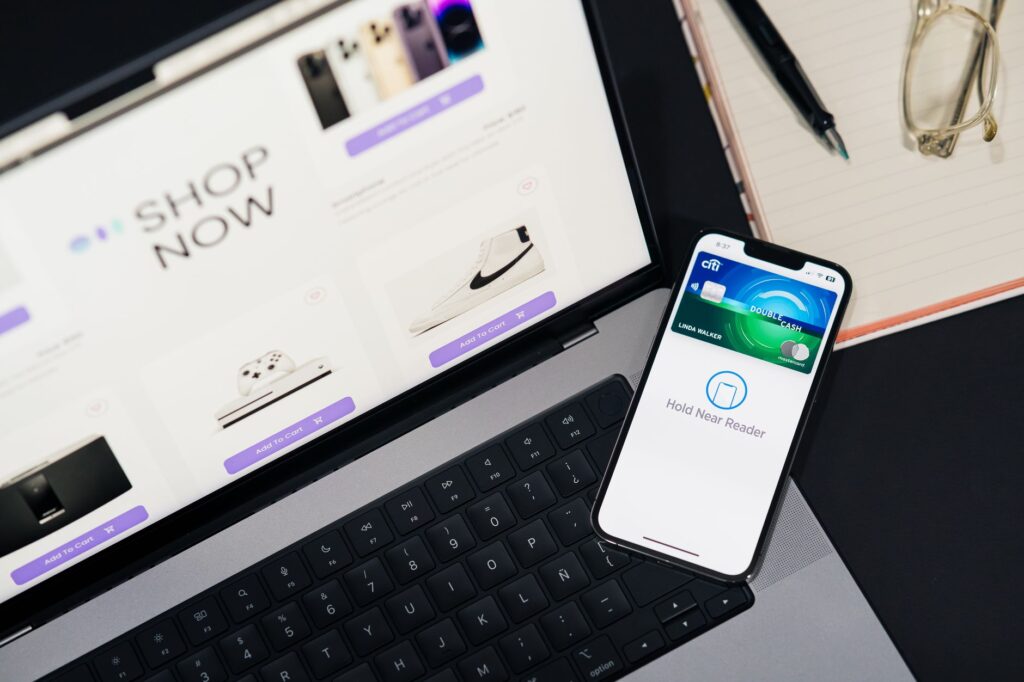
Apple’s iOS 27 is rumored to add a bill splitting feature to the Wallet app, according to a code reference that surfaced in a recent original report. That’s the most concrete detail we have ahead of next week’s WWDC, and it changes how developers might think about payment flows on iPhone.
Key Takeaways
- iOS 27 could let users split receipts directly in Wallet.
- Apple is reportedly finalizing new Apple TV and HomePod mini hardware for a fall launch.
- Apple fixed a battery glitch affecting the iPhone Air, which had trouble powering back on after a full drain.
- Code hints suggest Apple Music may soon roll out cheaper or free subscription tiers.
- WWDC expectations now include hardware announcements alongside software updates.
Historical Context
Apple’s approach to payments has evolved steadily. Early versions of Wallet focused on storing cards and boarding passes. Over successive releases, Apple introduced NFC‑based Apple Pay, then expanded to support transit tickets and loyalty cards. Each step added a new API layer that developers could tap into. The current rumor suggests the next logical extension: a native split‑payment flow that mirrors the way many third‑party apps currently handle group expenses.
Previous iOS updates have also demonstrated how Apple repurposes existing capabilities for new experiences. For instance, the OCR engine that debuted in iOS 26 allowed apps to extract text from images without writing custom vision code. By reusing that engine for receipt parsing, Apple can keep the user experience tight while giving developers a predictable entry point. Understanding this pattern helps developers anticipate where Apple might expose new hooks in the coming months.
iOS 27 Bill Splitting Feature Explained
Developers shouldn’t ignore the fact that Apple is apparently embedding a bill splitting UI into Wallet. That’s not just a UI tweak; it’s a new API surface that could replace third‑party split‑payment apps for many everyday scenarios. If the code reference is accurate, the feature will let users tap a receipt, select contacts, and automatically calculate each person’s share.
How the feature might work
We can infer a couple of likely steps. First, the Wallet app would parse the total amount from a scanned or digital receipt. Then, a new Bill Splitting module would prompt the user to choose contacts from the address book. Finally, the app would generate individual payment requests that integrate with Apple Pay.
- Parsing the total amount could use the existing OCR capabilities Apple introduced in iOS 26.
- Contact selection would probably reuse the existing contacts picker UI.
- Payment requests would be sent via the familiar Apple Pay tokenization flow.
That’s a lot of moving parts, and each one introduces a new touchpoint for developers to consider. If you’re building a dining‑or‑travel app, you might need to adapt your backend to handle split‑payment notifications that Apple will push.
Technical nuances developers should watch
Underlying the user‑facing flow is a set of data structures that will likely be exposed through a new framework. Expect a receipt object that contains fields for subtotal, tax, and tip. A split request might carry an array of participant identifiers, each paired with a calculated share. The token that Apple Pay returns will still be a PKPaymentToken, but it could now include a reference to the split transaction for reconciliation purposes.
Versioning will matter. If the API is introduced as an optional capability, older devices will fall back to the existing payment path. That means you’ll need runtime checks to avoid crashes on iOS 26 or earlier. Testing on a range of hardware will also surface differences in how the OCR engine handles low‑resolution images versus high‑quality scans.
Hardware Hints: Apple TV and HomePod Mini
Beyond software, the hosts mentioned that Apple TV and HomePod mini are reportedly in the final testing stage. That’s a signal that Apple could be stacking a hardware reveal onto the WWDC keynote. It’s not just a side note; the timing suggests Apple wants to showcase a tighter ecosystem between its new software capabilities and the latest hardware.
According to the report, the new Apple TV may support a refreshed Siri Remote, which could align with the upcoming Bill Splitting feature. Imagine a living‑room scenario where you order a pizza, and the Siri Remote asks who’s paying. That’s not a confirmed product detail, but the correlation is worth watching.
Why the hardware rollout matters for developers
If Apple does launch a new HomePod mini, developers will get fresh audio APIs to integrate with Siri. That’s an opportunity to build voice‑first experiences that complement the Wallet split‑payment flow. In other words, the hardware and software updates could reinforce each other, giving developers a broader canvas.
Battery Glitch Fix and Its Implications
Apple also addressed a battery glitch that affected the iPhone Air, where the device wouldn’t power back on after the battery drained completely. That’s a reminder that even minor firmware bugs can have outsized impacts on user experience, especially when you’re adding new payment‑related features that rely on the device being ready at all times.
Developers should test their apps on the iPhone Air once the fix rolls out, because a sudden power‑off scenario could interrupt a transaction. It’s a subtle point, but one that could affect conversion rates if left unchecked.
Apple Music Tier Rumors
Another code reference hinted at possible new Apple Music subscription tiers, potentially a cheaper or even free option. That’s a development that could reshape how music streaming services compete for users, especially if Apple introduces a tier that undercuts rivals.
For developers building integrations with Apple Music, keep an eye on the API documentation once the new tiers are announced. Different tiers could mean different content access levels, which would affect how you design your app’s music features.
Final WWDC Expectations
Putting all the pieces together, the upcoming WWDC looks set to deliver both software and hardware announcements. That’s not just a typical developer conference; it’s a showcase of how Apple intends to tighten the bond between its devices and services.
We shouldn’t assume every rumor will materialize, but the convergence of the Wallet split feature, hardware refreshes, and potential Apple Music changes paints a picture of an ecosystem that’s getting more interwoven.
What This Means For You
If you’re a developer, the iOS 27 bill splitting rumor means you should start prototyping split‑payment flows now. That involves testing the new API surfaces, ensuring your backend can handle multiple concurrent payment requests, and updating your UI to accommodate the Wallet‑style interaction.
For founders, the hardware hints suggest that any app that can use Siri or the new remote could get a boost from the upcoming device launch. Positioning your product to be voice‑ready might pay off sooner rather than later.
Developers building on Apple Music need to monitor the subscription tier announcements closely. Different tiers could unlock or restrict content, so aligning your app’s feature set with the forthcoming tier structure will be crucial.
Concrete Scenarios to Consider
Restaurant reservation apps could embed the split feature directly into their checkout screen. After a table is marked as paid, the app could push a split request to each diner’s Wallet, letting them settle their portion without leaving the restaurant’s app.
Travel planners that bundle flight, hotel, and car rentals might use the new API to divide shared expenses among group members. When a trip is confirmed, the backend could emit a single split transaction that distributes the total cost across participants, reducing the need for manual reconciliation.
Event ticketing platforms could let friends buy tickets together and then automatically split the total price. The platform would generate a single Apple Pay token, then invoke the split module to request each attendee’s share, simplifying the purchase flow.
Key Questions Remaining
- Will the Bill Splitting API be available on all iPhone models, or will it require specific hardware capabilities?
- How will Apple handle edge cases such as partial payments, refunds, or disputes within the split‑payment flow?
- Will third‑party payment providers be able to interoperate with the native split feature, or will Apple keep the experience closed?
- What timeline will Apple follow for rolling out the feature to developers—beta first, then a full release?
- How will the new Apple Music tiers affect revenue‑share agreements for apps that embed Apple Music content?
Answering these questions will require close monitoring of Apple’s developer documentation as WWDC approaches. Early adopters who experiment with the rumored APIs will be best positioned to adapt once the official SDK lands.
Sources: 9to5Mac, The Verge