



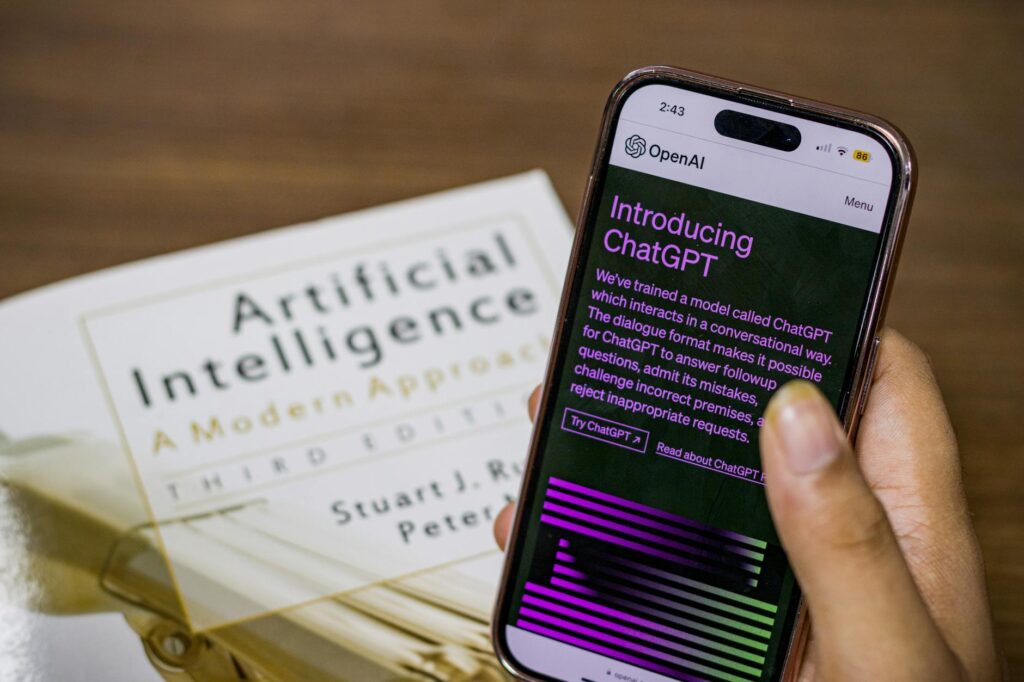
ChatGPT has attracted nearly 1 billion users since its launch in 2022, and the numbers still keep climbing. Yet the OpenAI superapp plan that’s emerging from San Francisco’s AI hub suggests the era of the pure chatbot might be winding down. In a move that feels more like a product‑line overhaul than a feature update, OpenAI is gearing up to turn its flagship chat interface into a multi‑tool platform that blends coding assistance, AI‑driven agents, and other revenue‑generating services.
Key Takeaways
- OpenAI plans to re‑brand ChatGPT as a “superapp” that bundles Codex, AI agents, and new paid services.
- The shift is driven by pressure to boost revenue ahead of a planned 2026 IPO.
- Executives see AI agents—not chat—as the next big money‑maker.
- “Chat is dead,” a senior employee told reporters, underscoring the strategic pivot.
- Competition with Anthropic and other rivals is sharpening the focus on business customers.
Historical context
When the first public version of ChatGPT rolled out in 2022, the product was positioned as a conversational experiment. Early adopters used it for casual Q&A, brainstorming, and occasional code snippets. Those interactions were largely free, and the brand grew through word‑of‑mouth and media coverage rather than a structured pricing plan. Over the next two years, OpenAI iterated on the model, added more compute power, and released incremental features like plugins and a limited‑beta API. Each step nudged the service closer to a professional tool, but the core experience remained a chat window.
In parallel, the company introduced Codex, a model tuned for programming tasks. Codex first appeared behind the scenes of GitHub Copilot and other partner products, proving its value to developers willing to pay for reliable code assistance. The success of Codex hinted that a revenue‑generating slice of the business already existed, even as the public chat interface continued to dominate headlines. By the time the IPO conversation surfaced, the internal narrative had shifted: growth needed to be paired with a clear path to profitability.
OpenAI superapp: the roadmap to a new business model
We’re seeing a company that built its fame on a conversational interface now re‑architecting that same interface into a broader platform. The plan, reported by original report, calls the new vision a “superapp” that will let users jump from casual Q&A to code generation and AI‑powered task automation without ever leaving the window.
From chatbot to superapp
It isn’t just a marketing spin. OpenAI intends to give the coding product Codex a front‑row seat, embedding it alongside the chat interface so developers can request code snippets and get them in the same flow. The company also wants to layer AI agents that can handle multi‑step tasks—booking travel, managing calendars, even drafting contracts—directly from the chat window. By bundling these services, OpenAI hopes to turn a free‑to‑use chatbot into a gateway for higher‑value, paid features.
Codex gets a front seat in the new design
Developers have already been using Codex for everything from autocomplete to full‑stack code generation, but it’s largely stayed in the background of the broader ChatGPT experience. Now, senior staff say the product will be highlighted more prominently, with dedicated UI elements and pricing tiers that reflect its utility. That move could translate into a steadier revenue stream, because while most consumers still use the chatbot for free, developers are more willing to pay for reliable code assistance.
- Codex currently powers GitHub Copilot and other third‑party integrations.
- OpenAI plans to expose Codex directly inside the chat UI, making code requests feel like any other query.
- Pricing models for Codex could mirror existing subscription tiers, offering higher limits for enterprise users.
AI agents as the next revenue driver
We’ve heard the industry talk about AI agents for a while, but OpenAI’s internal discussions seem to have moved them from research labs to the product roadmap. The company believes agents that can perform multi‑step tasks will be more valuable than a simple conversational model. That belief is reflected in the “superapp” language, which signals a shift toward services that solve real‑world problems rather than just answer questions.
Why agents matter
Agents can take a user’s intent—say, “plan a weekend trip to Boston”—break it into sub‑tasks, and execute each step, from checking flight prices to reserving a hotel room. For businesses, that means a single AI can handle routine workflows, freeing staff for higher‑level work. If OpenAI can package that capability into a paid tier, the revenue upside could be substantial, especially as enterprises scramble to automate repetitive processes.
Organizational shake‑up and the IPO pressure
OpenAI’s pivot isn’t happening in a vacuum. According to more than a dozen current and former employees, the company is undergoing a broader reorganization that reallocates resources toward business‑focused products. The timing lines up with a $850 billion market valuation that the firm is chasing as it prepares for an initial public offering later this year. The IPO pressure is forcing executives to demonstrate a clear path to profitability, and the superapp model is their answer.
Sam Altman, the CEO who helped turn ChatGPT into a household name, is now steering a strategy that emphasizes revenue‑generating features over pure user growth. That’s a notable shift from the early days when the focus was on making AI accessible to anyone with an internet connection.
Competition with Anthropic and the race for business customers
OpenAI isn’t the only player betting on AI agents. Anthropic, a rival founded by former OpenAI researchers, is also courting enterprise clients with its own suite of tools. The internal memo we’ve seen suggests OpenAI feels the need to accelerate its product rollout to stay ahead of Anthropic’s offerings. The rivalry is sharpening the focus on business customers, who are willing to pay a premium for reliable, scalable AI services.
“Chat is dead,” said one senior OpenAI employee.
That blunt statement captures the cultural shift inside the company. It’s not an official tagline, but it reflects a growing consensus that the classic chatbot model won’t sustain the revenue growth needed for a successful public listing.
What this means for developers and builders
For developers, the upcoming superapp could simplify the workflow between asking a question and getting actionable code. You’ll be able to stay inside the same interface while iterating on code snippets, testing them, and even deploying them if the platform expands in that direction. That could cut down on context‑switching and make it easier to integrate AI assistance into day‑to‑day development tasks.
Builders of AI‑powered products should watch the pricing and feature tiers that OpenAI rolls out. If the company bundles agents and coding tools into paid plans, you’ll need to decide whether to adopt their platform or keep building your own stack. The move also signals that OpenAI expects businesses to become its primary customers, so aligning your product roadmap with enterprise needs could pay off.
What This Means For You
If you’re a developer who relies on ChatGPT for quick answers, you’ll likely see a more feature‑rich interface that nudges you toward paid services. That means you’ll have to evaluate whether the added capabilities—like on‑the‑fly code generation and task‑automation agents—are worth the cost, or if you’d rather stick with the free tier and supplement it with other tools.
If you’re building a startup that incorporates AI, the shift suggests you should think about how to monetize AI agents early on. OpenAI’s strategy hints that the market will reward products that solve concrete tasks rather than just answer queries, so tailoring your solution to a specific workflow could give you a competitive edge.
Only whether the superapp gamble pays off, but the move certainly raises the stakes for anyone betting on AI‑driven productivity.
Key questions remaining
The roadmap leaves several open items that could shape the next year of AI product development. First, the exact pricing structure for the bundled services remains vague; developers will want clarity on how usage caps translate into cost. Second, the extent of integration between agents and external calendars, email systems, or enterprise APIs is not yet defined, and those details will determine how readily businesses can adopt the platform. Third, the timeline for rolling out a fully self‑service agent marketplace—where users could publish and share custom agents—has not been disclosed. Finally, the impact on existing free‑tier users is uncertain; a sudden shift toward paid features could alter the community dynamics that have driven ChatGPT’s growth so far.
Answers to these questions will likely emerge as OpenAI fine‑tunes its superapp offering and approaches the IPO. In the meantime, developers, founders, and product teams should keep an eye on announcements, experiment with the new UI when it becomes available, and consider how the emerging model aligns with their own revenue strategies.
Sources: Ars Technica, Reuters