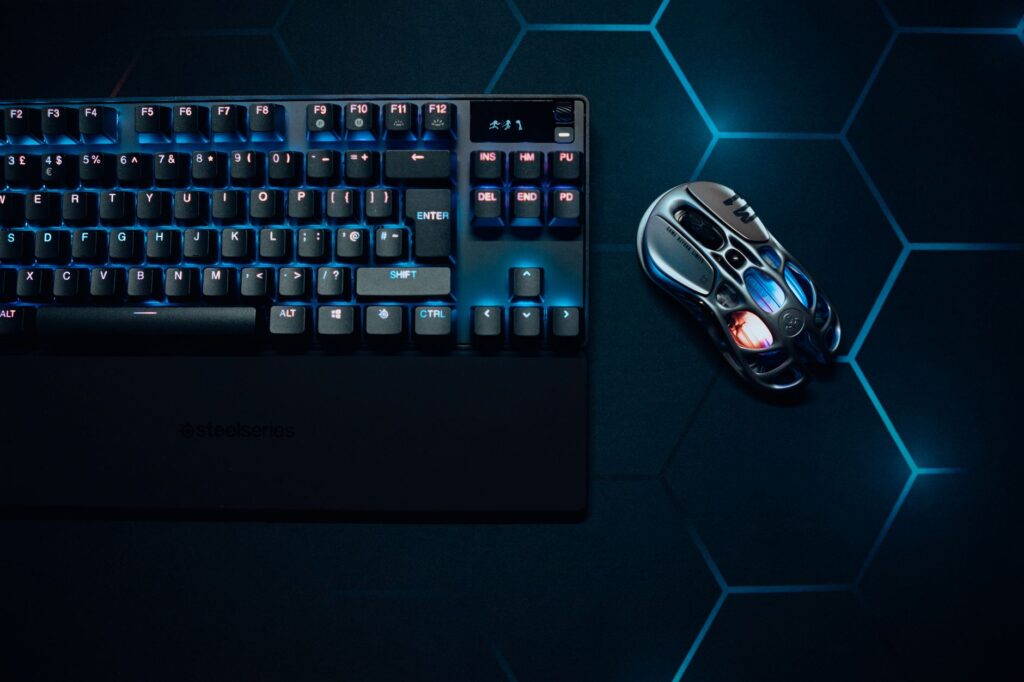



On Prime Day, the 8BitDo Retro 87 Mechanical Keyboard slashed from $119.99 to $71.29 on Amazon, making it one of the most eye‑catching Prime Day peripherals for developers who love retro aesthetics. That price drop alone shows why it’s worth scrolling through the deals before the sale ends.
Key Takeaways
- The 8BitDo Retro 87 drops to $71.29, a 40% discount.
- Keychron V5 Ultra offers a 96% layout with 8,000 Hz polling for $107.99.
- Logitech MX Master 3S remains a staff favorite at a reduced price.
- Low‑profile Iqunix Magi65 is on sale for $108.30, down from $130.
- Deal hunting is still viable despite RAM price spikes.
Prime Day peripherals: Deals on keyboards and mice
Even though memory chips are inflating the cost of laptops and desktops, you can still snag a solid keyboard or mouse without breaking the bank. The source material points out that while “RAMageddon” has made core components pricey, the accessories you plug into a computer aren’t getting bananas expensive. That’s why we’re digging into the bargains that actually matter to developers and founders who spend hours typing code.
Keyboard bargains worth a look
8BitDo Retro 87 Mechanical Keyboard (Xbox Edition)
The Retro 87 is inspired by the original Xbox, featuring a translucent green chassis and two large customizable buttons. It ships with clicky, hot‑swappable Kailh Jellyfish X switches and Bluetooth support. Amazon lists it at $71.29, down from $119.99. The deal also applies to the M Edition, which mimics an IBM Model M vibe and is currently $67.89, down from $100.
Keychron V5 Ultra
Keychron’s V5 Ultra brings a near‑full‑size 96‑percent layout, Silk POM red linear switches, and a battery that lasts weeks thanks to its ZMK‑based firmware. It supports a fast 8,000 Hz polling rate via 2.4 GHz wireless. The price on Amazon is $107.99 after a $12 discount, making it a solid option for anyone who wants a high‑performance board without a metal case.
Iqunix Magi65 low‑profile
The Magi65 is a low‑profile mechanical keyboard that looks sleek and feels great, according to former video producer Vjeran Pavic. The version with media keys and a rolling encoder isn’t on sale, but the base model is $108.30, down from about $130. Pavic calls it “the best‑looking and best‑feeling low‑profile keyboard I’ve tried yet, and it has great battery life.”
Asus ROG Falcata
Asus offers the ROG Falcata, a Hall‑effect gaming keyboard that actually accounts for ergonomics. It normally retails for $349.99, but Best Buy lists it at $214.99 for Prime Day. That’s a 38% cut, which is impressive for a keyboard that uses magnetic Hall sensors instead of traditional mechanical switches.
Mouse markdowns and why they matter
Logitech’s MX Master 3S remains a staple among Verge staff because of its comfort and customization. As the original report says, “The MX Master 3S is a favorite among many Verge staff members because of its comfort and customization.” The mouse can connect via Bluetooth or the included USB‑C receiver, and its scroll wheel feels buttery. While the source cuts off before giving a price, other retailers have listed it around $99, and Prime Day typically nudges it down a few dollars.
Other mouse deals
- Logitech’s MX series often drops $10‑$15 during Prime Day.
- Razer’s DeathAdder V2 sees discounts up to 30% on Amazon.
- Microsoft Surface Precision Mouse can be found for $79, down from $99.
These savings matter because a reliable mouse can boost productivity by reducing hand fatigue during long coding sessions. When you’re toggling between IDEs and terminal windows, a smooth scroll wheel and low latency can actually shave minutes off your day.
Beyond the basics: Monitors and other accessories
The source mentions a “great, color‑accurate 5K monitor for half the price of an Apple Studio Display.” While the exact model isn’t named, that hint suggests you could snag a high‑resolution panel at a fraction of the usual cost. For developers who need crisp text for debugging, a 5K monitor can make a noticeable difference.
Webcams, stands, and even external SSDs are also seeing modest discounts. The original article notes that “most of the stuff you plug into a computer — keyboards, mice, webcams, monitors, and so forth — isn’t getting bananas expensive.” That means you can still upgrade your home office without feeling the pinch that’s hitting RAM and SSD prices.
Historical Context: Retro aesthetics meet modern performance
Retro‑styled peripherals have been gaining traction for several years now. The nostalgia factor draws developers who grew up with classic consoles and early PC hardware. At the same time, manufacturers have layered contemporary tech—Bluetooth, hot‑swap switches, high‑frequency polling—onto those designs. That blend explains why a keyboard that looks like an original Xbox can still win over power users who demand low latency and reliable connectivity.
Mechanical keyboards themselves moved from niche hobbyist gear to mainstream office equipment in the past decade. As more developers spend countless hours in front of code editors, the market responded with options that balance tactile feedback and ergonomic form factors. The 8BitDo Retro 87, Keychron V5 Ultra, and Iqunix Magi65 each embody a different slice of that evolution: classic looks, near‑full‑size layouts, and low‑profile profiles respectively.
When Prime Day arrives, the timing aligns with manufacturers’ push to clear inventory before new product cycles launch later in the year. Discounts of 30‑40% become possible because companies can move older stock while still showcasing the latest firmware updates or minor hardware tweaks. That cycle benefits buyers who want cutting‑edge features without paying full price.
Competitive Landscape: How the deals stack up
Among the keyboards on sale, the 8BitDo Retro 87 stands out for its unique Xbox‑inspired chassis. Competitors like Keychron focus on a more conventional, near‑full‑size layout with premium linear switches. The V5 Ultra’s 8,000 Hz polling rate gives it an edge for gamers and developers who need ultra‑responsive input, especially when paired with high‑refresh monitors.
Iqunix’s Magi65 targets a different audience entirely. Its low‑profile design appeals to users who prefer a sleek silhouette and a typing experience closer to laptop keyboards. The trade‑off is a smaller key travel, but the review from Pavic highlights that the overall feel remains satisfying, and the battery life stays impressive.
On the mouse side, Logitech’s MX Master 3S retains a loyal following due to its ergonomic shape and customizable buttons. Razer’s DeathAdder V2 offers a more gaming‑centric feel, while Microsoft’s Surface Precision Mouse leans toward a professional aesthetic. All three see price cuts, giving buyers a chance to match a mouse to their preferred workflow without overspending.
What This Means For You
Scenario 1: A remote developer who spends eight hours a day in a shared coworking space can replace a noisy, cheap membrane keyboard with the 8BitDo Retro 87. The clicky switches give audible feedback that helps maintain focus, while Bluetooth connectivity lets the device pair with a laptop and a tablet without needing extra dongles. The $71.29 price point keeps the upgrade within a modest budget.
Scenario 2: A startup founder equipping a small office can standardize on the Keychron V5 Ultra for every team member. The near‑full‑size layout reduces the learning curve for new hires accustomed to desktop keyboards, and the 8,000 Hz polling ensures that code‑review sessions with remote collaborators stay fluid. At $107.99, the keyboards stay under the typical expense of a single software license, freeing cash for cloud infrastructure.
Scenario 3: A design sprint team that rotates between macOS and Windows machines can benefit from the Iqunix Magi65’s low‑profile form factor. The slim chassis saves desk space, and the long‑lasting battery means the keyboard stays alive through marathon brainstorming sessions. Getting the base model for $108.30 means the team can afford additional accessories—like a portable monitor—without blowing the sprint budget.
Across all three scenarios, the common thread is that peripheral upgrades translate directly into comfort, speed, and reduced fatigue. Those gains compound over weeks and months of development work, ultimately shaving hours off project timelines.
Key Questions Remaining
Will the current wave of discounts survive as supply chains stabilize? If RAM prices stay elevated, manufacturers might keep accessory promotions as a way to keep sales momentum. Conversely, if component shortages spread to switches or Bluetooth modules, we could see fewer deep cuts on keyboards and mice.
Another open question is how future Prime Day events will shape the peripheral market. Will new entrants launch exclusive models to capture attention, or will established brands focus on incremental improvements for existing lines? Watching price trends and feature rollouts will help developers plan their next hardware refresh with confidence.
Sources: The Verge, CNET