


One death in Australia has already been linked to a plug‑in solar failure, and that alone should make anyone pause before plugging in a kit. The incident, cited by a coalition of UK industry groups, underscores how plug-in solar safety isn’t just a buzzword – it’s a real, tangible concern for households across the globe.
Key Takeaways
- Multiple UK bodies warn that plug‑in solar kits can compromise Residual Current Devices and cause fire hazards.
- Older wiring in over half of UK homes may not handle extra load, raising overheating risks.
- Cheap hardware often sidesteps compliance, leading to trip hazards and potential panel falls.
- Network operators can’t monitor these devices, which could destabilise local grids.
- Liability uncertainties mean insurers, landlords and leaseholders could face unexpected costs.
Historical Context
Plug‑in solar kits arrived on the market as a consumer‑friendly alternative to traditional rooftop systems. Their promise was simple: buy a box, plug it into a socket, and start harvesting sun. Early marketing leaned heavily on the “no‑permit, no‑installer” angle, positioning the product as a DIY win for renters and homeowners alike. Over the past few years, that narrative has collided with a growing chorus of safety voices, culminating in the joint warning from several UK bodies. The Australian fatality, while isolated, acted as a catalyst that pushed regulators and industry groups to put the issue on the public agenda.
Plug‑In Solar Safety: Why the Risks Matter
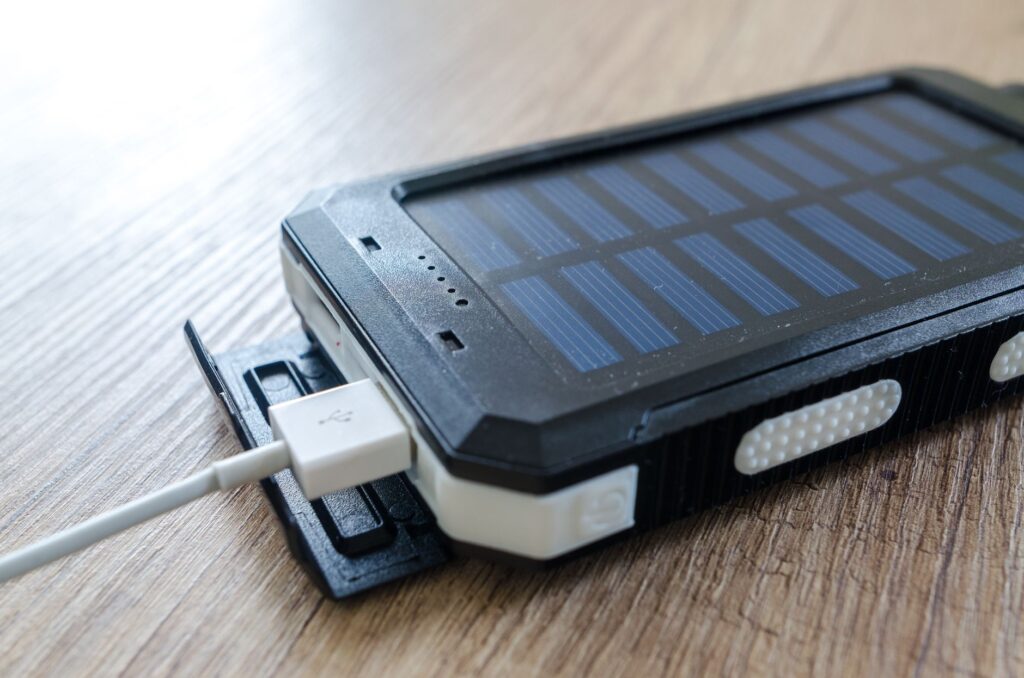
Before diving into the six red flags, it helps to understand what a plug‑in solar kit actually does. The system hooks solar panels to a tiny microinverter, which converts the panels’ DC output into AC and feeds it straight into a household socket. Because the kit plugs into a standard outlet, there’s no storage battery, and the power generated is modest – enough to offset the draw of always‑on appliances.
The microinverter’s design is compact, but that convenience comes with trade‑offs. It lacks the strong protection circuitry found in larger, grid‑connected inverters. When the kit draws more current than the socket’s wiring can comfortably carry, the heat generated at the connection point can rise quickly. Without active temperature monitoring, the system has no way to throttle itself before the insulation degrades.
Two‑Way Power and the Threat to RCDs
The first concern the Electrical Contractors’ Association and its partners raise is that these kits allow electricity to flow both ways. That two‑way flow can confuse Residual Current Devices (RCDs) – the safety switches that trip when a circuit leaks. If an RCD doesn’t recognise the reverse current, it may fail to cut power during a fault, leaving occupants exposed to shock. The group notes that Australia recorded a fatality linked to this exact failure, although regulators in other Australian states haven’t confirmed the same risk.
RCDs are calibrated for a specific direction of current. When a plug‑in kit pushes power back onto the line, the device’s sensing coil can see a net current that appears normal, even though a fault exists downstream. The result is a silent failure that defeats the very purpose of the protective device. For homeowners who rely on RCDs as their first line of defense, that silent failure is a hidden hazard.
Fire Risk in Century‑Old Homes
Fire danger is the next glaring issue. The coalition points out that over half of UK housing is more than a century old, with aging wiring that wasn’t designed for extra current. When multiple plug‑in units are stacked, the cables can overheat, especially if the existing circuits are already near capacity. That overheating can ignite insulation, turning a modest solar setup into a blaze. And because the kits often lack built‑in thermal monitoring, the homeowner might not even notice the danger until it’s too late.
Older homes frequently use copper conductors sized for the loads of a bygone era. Adding a kit that draws a few amps may seem negligible, but when that current rides on a conduit already carrying the household’s base load, the cumulative effect can push the conductor past its temperature rating. Once the insulation softens, a short circuit can spark, and the fire can spread through walls that were never intended to host live wiring.
Poor‑Quality Hardware Floods the Market
Cheap, low‑quality kits are flooding online marketplaces. Some of these products feature flattened cables meant to slip under doors or through tight openings – a shortcut a DIY enthusiast might applaud, but a qualified electrician would flag as a code violation. The lack of clear compliance markings means installers can’t verify whether the hardware meets UK standards, leaving a gap where safety should be guaranteed.
Compliance markings usually indicate conformity with British Standards such as BS 7671. When a product arrives without those symbols, it’s impossible for the installer to confirm that the kit has undergone the requisite testing for fire resistance, mechanical strength, and electrical isolation. That uncertainty feeds the broader risk picture, because a non‑compliant kit can bypass the safety checks built into the national wiring rules.
What the Numbers Say
- Six distinct safety concerns were highlighted by the joint warning.
- One documented fatality in Australia is linked to a plug‑in solar incident.
- More than 50% of UK homes are older than 100 years, increasing wiring vulnerability.
These figures translate into a concrete call to action for anyone considering a plug‑in installation. The six concerns span electrical protection, fire safety, product quality, grid impact, insurance exposure, and physical hazards. When you stack those together, the risk profile looks far less like a simple convenience and more like a multi‑layered challenge that requires professional oversight.
Grid Stability and the Absence of Monitoring
Unlike traditional solar installations that tie into the grid through certified inverters, plug‑in kits operate in isolation. That means network operators can’t see how much power is being pushed back onto the local grid. If a neighbourhood’s capacity is already stretched, a sudden influx from dozens of kits could destabilise voltage levels. microinverters may not shut down promptly if the grid goes down, potentially feeding power into a dead circuit and endangering repair crews.
Voltage fluctuations can cause sensitive appliances to misbehave, and in extreme cases, they can trigger protective trips that affect neighboring households. The lack of telemetry also means that the utility cannot issue remote commands to curtail output when the local network is under stress. That blind spot adds another layer of operational risk that the industry has yet to address.
Insurance, Liability and the Unclear Financial Fallout
When a self‑installed kit malfunctions, insurers are left in a gray zone. The warning from NICEIC and SELECT highlights that landlords, leaseholders and building owners may find themselves on the hook for damages that aren’t covered by standard policies. That lack of clarity could drive up premiums or force owners to exclude solar equipment from coverage altogether – a cost that many aren’t prepared for.
Policy wording often references “approved installations” and “certified contractors”. A plug‑in kit that bypasses those requirements may fall outside the definition of a covered risk. The result is a potential out‑of‑pocket expense for fire damage, electrical repairs, or personal injury claims that could otherwise be absorbed by an insurer.
Installation Hazles: Trip Risks and Falling Panels
DIY installers often resort to extension leads, adapters and makeshift cable runs to get a kit working. Those shortcuts can create trip hazards on hallways and balconies. Worse still, poorly mounted panels on high‑rise balconies add weight and introduce new ignition sources. If a panel detaches, it could fall onto a busy street, posing a public safety threat that goes well beyond the homeowner’s property line.
Physical anchoring is a critical part of any solar deployment, even a small one. When a kit is bolted to a balcony railing with inadequate hardware, the wind load can loosen the mount over time. A loose panel can swing, scrape against the building façade, or, in an extreme case, detach completely. That scenario not only endangers passersby but also creates liability for the property owner.
“A poorly regulated bargain product may reduce bills in the short-term, but it can also transfer risk onto households, emergency services, insurers, network operators and, ultimately, government,” the group warns, adding that a “rushed rollout could potentially weaken confidence in the energy transition”.
Why the Industry Is Sounding the Alarm
UK electrical standards are among the strictest worldwide, especially regarding safety. When respected bodies like the Electrical Contractors’ Association, Electrical Safety First, the Institution of Engineering & Technology, NICEIC and SELECT collectively issue a warning, it’s not just a polite suggestion – it’s a call to action. They’re urging consumers to treat plug‑in solar kits with the same caution they’d apply to any high‑voltage appliance.
Regulatory Landscape and Future Oversight
Current regulations treat plug‑in kits as ordinary electrical equipment, meaning they fall under the same approval process as any other consumer appliance. That approach leaves a gap when the product’s function blurs the line between appliance and generation asset. The industry bodies argue that a dedicated registration scheme could bring the missing visibility that network operators need.
Future oversight is likely to focus on three pillars: product certification, installation verification, and post‑install monitoring. Certification would require manufacturers to submit test data that proves compliance with fire‑resistance and electrical‑safety standards. Installation verification would mandate a qualified electrician’s sign‑off before the kit is energized. Monitoring could involve a low‑cost telemetry module that reports back to the utility, ensuring that any abnormal power flow is caught early.
These steps would not only protect end users but also give the market a level playing field. Manufacturers that invest in compliance would gain a competitive edge, while low‑cost, non‑compliant products would find it harder to reach the mainstream. The net effect should be a safer, more trustworthy segment of the solar market.
What This Means For You
If you’re a developer eyeing plug‑in solar for a residential project, you’ll need to factor in the cost of a qualified electrician’s review. Don’t assume a simple plug‑in will bypass the need for a certified installation; the risk to RCDs alone warrants a professional audit. And if you’re a homeowner considering a kit, remember that a cheap product might save a few pounds today but could jeopardise your insurance and safety tomorrow.
For builders and landlords, the takeaway is to scrutinise any lease agreements that allow tenants to install plug‑in solar without oversight. Adding a clause that requires a certified electrician’s sign‑off can protect you from liability and keep your property compliant with the latest electrical codes.
Insurance brokers should treat plug‑in kits as a distinct risk class. When underwriting a policy, ask for documentation that proves the installation was performed by a registered electrician and that the hardware carries the appropriate compliance markings. That extra diligence can keep premiums stable and avoid surprise exclusions.
DIY enthusiasts who enjoy the hands‑on aspect of renewable energy need to recognise the line between a hobby and a regulated installation. Using a standard extension lead might look convenient, but it compromises the safety chain. A modest investment in a professional assessment can turn a weekend project into a long‑term, trouble‑free solution.
Looking Ahead: Balancing Innovation with Regulation
The promise of easy, affordable solar is tempting, but the