


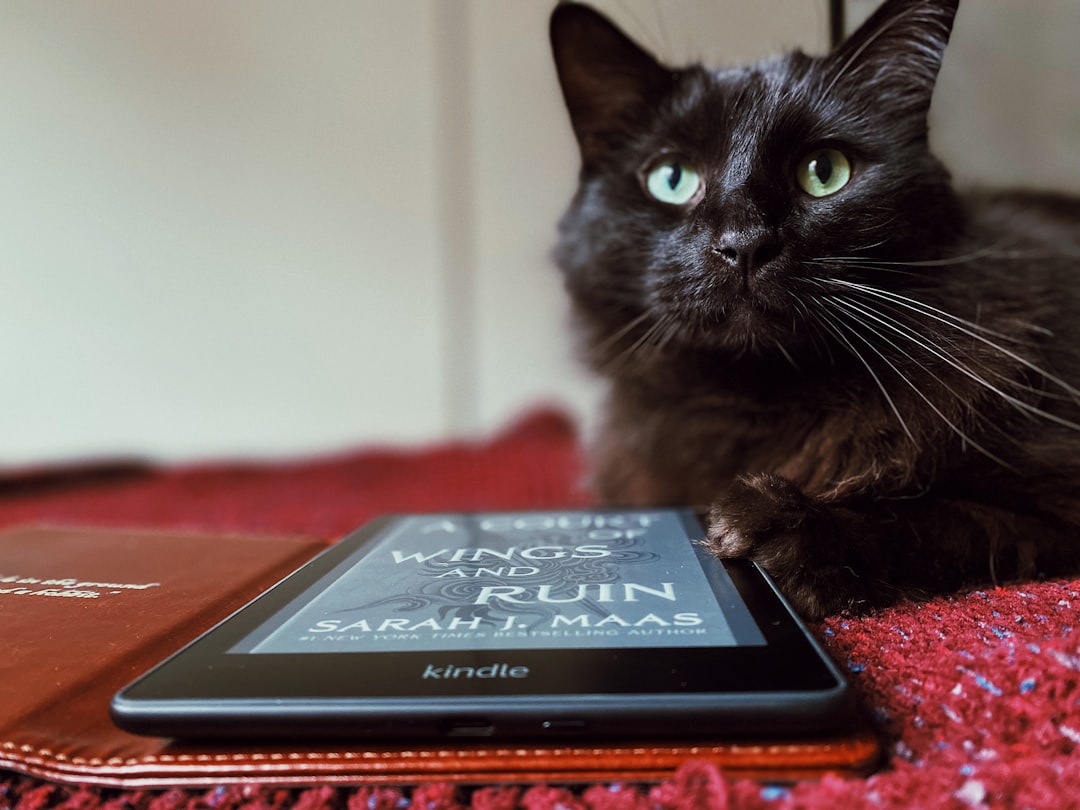
16GB. $134.99. Waterproof. Adjustable warm light. That’s the 12th-generation Kindle Paperwhite, now on sale at Amazon, Best Buy, and Target as of April 28, 2026—$25 off its usual $159.99 price. This isn’t just another flash sale. It’s the deepest discount we’ve seen on the Paperwhite this year and just $10 above its all-time low from last Black Friday.
Key Takeaways
- The 12th-gen Kindle Paperwhite is now $134.99 with ads—a $25 discount at Amazon, Best Buy, and Target.
- It includes waterproofing, a 7-inch 300ppi display, USB-C, and an adjustable warm frontlight.
- The Signature Edition is also discounted to $164.99, down $25, offering wireless charging and 32GB storage.
- Unlike the base $109.99 Kindle, the Paperwhite adds meaningful upgrades ideal for frequent or travel readers.
- This deal aligns with Mother’s Day 2026 and beats previous 2026 pricing—though it doesn’t beat last November’s Black Friday low.
Why the Paperwhite Stands Out in the E-Ink Era
It’s easy to overlook e-readers in an age of foldable OLEDs and AI assistants. But the Kindle Paperwhite isn’t chasing trends. It’s doing the opposite: refining a decade-old formula with surgical precision. The 12th generation, released quietly in late 2024, didn’t reinvent the e-reader. It optimized it. Waterproofing, introduced years earlier in the Oasis, finally trickled down. The screen grew to 7 inches from 6.8. The light now shifts from cool to warm—subtle, but critical for readers who finish chapters at 1 a.m. And yes, it finally uses USB-C.
None of these features are major. But together? They form a device that disappears into the ritual of reading. That’s the point. You don’t use a Paperwhite. You read on it. No notifications. No infinite scroll. Just text on a screen that mimics paper. In 2026, that’s a radical act.
Amazon’s Tiered Pricing Makes This Deal Sharp
Amazon sells three Kindles today. The base model at $109.99. The Paperwhite at $134.99. The Paperwhite Signature Edition at $164.99. On paper, that’s a $25 jump between tiers. In practice, the leap from base to Paperwhite is where the real value lands.
The base Kindle lacks waterproofing. It has a smaller 6.8-inch screen—still good, but not quite as immersive. It has USB-C, but no warm light. It’s lighter, yes, but not enough to matter in a one-handed grip. And it doesn’t charge as fast. For $15 more, the Paperwhite fixes all that. And if you read in the bath, by the pool, or on a rainy porch, waterproofing alone justifies the upgrade.
The Bigger Picture: Why E-Ink Is Gaining Ground in a Distracted World
Even as smartphone screen time creeps past four hours daily in the U.S., according to Pew Research, more people are seeking digital minimalism. E-Ink devices aren’t just holding their ground—they’re gaining it. In 2025, global e-reader shipments rose 7% year-over-year, per IDC, reversing a years-long decline. The Kindle remains dominant, but competitors like Kobo and PocketBook are carving niches with open formats and niche design.
Why now? Burnout. Attention fatigue. Parents limiting screen exposure. Writers avoiding distractions. Some companies are even distributing e-readers as digital detox tools. The French publisher Gallimard, for example, partnered with schools in 2025 to give students Paperwhites to reduce phone use during reading assignments. In Japan, the government-backed “Slow Read” initiative distributed 10,000 e-readers to public libraries to encourage deeper reading habits.
Amazon isn’t leading a cultural shift. It’s riding one. And by making the Paperwhite’s improvements incremental but meaningful—no flashy gimmicks, just better ergonomics and durability—it’s appealing to users who want simplicity without sacrifice. That strategy is paying off. In Q1 2026, Amazon reported 4.7 million Kindle units sold globally, a 9% increase from the same quarter in 2025, driven largely by Paperwhite and Signature Edition sales in North America and Europe.
Competitors’ Moves: Openness vs. Ecosystem Control
While Amazon tightens control over its ecosystem, rivals are betting on openness. Kobo, owned by Japan’s Rakuten, sells e-readers with full EPUB and Adobe DRM support. Its Libra Color, released in early 2025, was the first color E-Ink reader with audiobook integration. It starts at $249.99 and lacks waterproofing, but its software allows sideloading via USB or cloud services like Dropbox. In 2024, Kobo reported a 15% year-over-year sales increase in Europe, where consumer data privacy regulations make locked-down devices less appealing.
PocketBook, a Ukrainian brand popular in Eastern Europe and Australia, offers models with expandable storage, Android-based customization, and support for 15 file formats, including DjVu and FB2. Its flagship Solo 3, priced at $199, runs a modified Android OS, enabling users to install third-party apps like Moon+ Reader or Calibre Companion. But that freedom comes with trade-offs: shorter battery life, less polished design, and no tight integration with major audiobook services.
Then there’s Onyx Boox, a Chinese manufacturer making waves with its Boox Note Air 3, a 10.3-inch E-Ink tablet that doubles as a note-taker and e-reader. Priced at $599, it runs full Android 13, supports stylus input, and works with Kindle and Kobo stores via sideloading. But it’s bulky, expensive, and targets professionals—not casual readers. Amazon’s approach is different: limit choice, maximize reliability. No one can match Kindle’s one-click sync or Audible integration. That’s why, despite criticism over format restrictions, Kindle still holds an estimated 70% of the global e-reader market, according to Statista.
Storage and Ecosystem Lock-In
The 16GB Paperwhite holds thousands of books. But if you use Audible—and sync audiobooks to your Kindle—it fills up faster. That’s where the Signature Edition’s 32GB base storage matters. But for most, 16GB is enough. Especially since Amazon’s store remains the largest curated catalog of e-books in the world. You can’t sideload easily. You can’t browse alternative stores from the device. But let’s be honest: if you’re buying a Kindle, you’re already in Amazon’s ecosystem. The question isn’t about freedom. It’s about friction.
- 300ppi screen: text is razor-sharp, no eye strain after hours
- Battery lasts weeks to months, depending on usage and brightness
- IPX8 waterproof rating: survives submersion in up to 2 meters of water for up to 60 minutes
- USB-C charging: finally, no more micro-USB adapters; charges from 0% to full in about 2.5 hours
- Adjustable warm light: reduces blue light in evening reading; color temperature adjustable from 2000K (warm) to 6000K (cool)
The Signature Edition: Who’s It For?
The Signature Edition costs $164.99 after its $25 discount. It adds two things: wireless charging and 32GB storage. That’s it. No better screen. No faster processor. No additional waterproofing. So who benefits?
Travelers. Heavy downloaders. People who hate cords. If you’re the type to toss your Kindle on a charging pad while brushing your teeth, wireless charging isn’t a gimmick—it’s convenience. And if you load up on audiobooks or graphic novels (yes, some Kindle users read manga), 32GB gives real breathing room. But for most? The $134.99 model is the sweet spot.
Where to Buy: Amazon, But Not Just Amazon
This isn’t an Amazon-exclusive deal. As of April 28, 2026, Best Buy and Target also list the 16GB Paperwhite with ads at $134.99. That’s rare. Amazon usually undercuts third parties. Here, they’re matching. That suggests coordination—or a broader retail push ahead of Mother’s Day. Either way, it gives buyers flexibility. No waiting for Prime delivery. No account linking hassles. Just walk in, scan, leave.
And yes, you can still get the base Kindle for $109.99. But unless you’re on a tight budget or buying for a child who loses devices, it’s hard to recommend. The Paperwhite’s upgrades aren’t flashy. But they’re functional. They’re thoughtful. They reflect years of user feedback. That’s worth $15.
What This Means For You
If you’re a developer building reading apps, take note: Amazon hasn’t innovated on format. No EPUB support. No sideloading by default. But it has perfected the hardware experience. That’s a warning. Users don’t want more options. They want fewer distractions. A clean, glare-free screen. Long battery. Reliability. If your app feels cluttered or slow, it’s losing to a device that does one thing well.
For founders in edtech or publishing, this deal underscores a brutal truth: ecosystem lock-in works. Kindle isn’t winning on openness. It’s winning on seamlessness. Buy a book. Tap once. It’s on your device. No sync delays. No format errors. That’s the bar. If your product requires instruction manuals, you’re already behind.
Amazon’s real innovation isn’t in pixels or processors. It’s in friction removal. And that’s why, in 2026, a $135 e-reader still matters.
What happens when a device becomes so refined that upgrading feels unnecessary?
Sources: The Verge, original report; IDC Worldwide Quarterly E-Reader Tracker, Q4 2025; Statista Global E-Reader Market Share 2025; Pew Research Center, “Mobile Device Usage in the U.S.,” March 2026; Rakuten Kobo 2024 Sales Report; PocketBook Product Specifications; Onyx Boox Official Site