




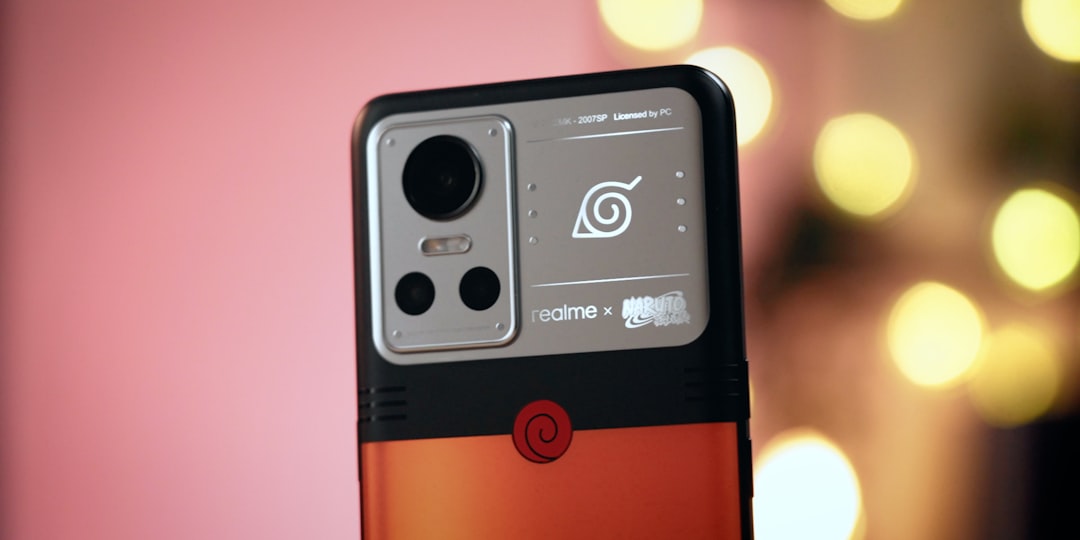
On April 30, 2026, Google Play is hosting a limited-time sale on 11 Android games and apps — a midweek refresh that includes full-price drops on titles like NARUTO: Ultimate Ninja STORM, Onigo Hunter, and Endurance: dead space.
Key Takeaways
- Eleven Android games and apps are discounted today, April 30, 2026, including premium RPGs and rhythm titles.
- NARUTO: Ultimate Ninja STORM is on sale — a rare discount for a full console port on mobile.
- The sale runs parallel to a separate $411 discount on the Galaxy Tab S11, suggesting a coordinated push for mobile gaming hardware and software.
- No subscription bundles or freemium traps — these are one-time purchases with permanent ownership.
- Cytus II, EvoCreo2, and Dragon Sinker are among the niche but highly-rated titles seeing price cuts.
Not Just Clearance — This Is Strategic Timing
April 30 isn’t a holiday. It’s not tied to a global gaming event. And yet, Google Play pushed a curated list of mobile game discounts today. That’s deliberate. This isn’t a clearance dump. It’s a signal.
Something has shifted in how Google positions high-end Android gaming. For years, the Play Store treated premium mobile titles as afterthoughts — buried under free-to-play clones, ad-laden reskins, and loot-box-driven mechanics. But today’s lineup reads like a stealth campaign: they’re promoting games that demand skill, time, and full-price commitment.
NARUTO: Ultimate Ninja STORM is no casual port. It’s a full-fidelity adaptation of a console franchise with complex combo systems, story-driven cutscenes, and high rendering demands. Seeing it discounted — and highlighted — suggests Google is actively courting core gamers, not just dopamine-driven scrollers.
Why NARUTO Matters More Than It Seems
The inclusion of NARUTO isn’t just nostalgia bait. It’s a brand with global reach, especially among Gen Z and millennial players who grew up with anime-flavored action games. Bandai Namco doesn’t often discount its STORM series — not on mobile, not on console. When they do, it’s usually around major anniversaries or product launches.
There’s no announced sequel. No new anime season starting this week. So why now?
Because Android needs a flagship title. Something that can be pointed to as proof that mobile isn’t just for bite-sized sessions. NARUTO: Ultimate Ninja STORM, at a discount, becomes that anchor. It gives users a reason to clear 3GB of storage, charge their device, and play for hours — not minutes.
The Hardware Angle: Galaxy Tab S11’s Role
At the same time Google is promoting these game deals, Samsung is offering the Galaxy Tab S11 at $411 off. That’s not a typo. That’s a $411 reduction on Samsung’s most affordable S11 tablet — a device with a 120Hz AMOLED screen, Snapdragon 8 Gen 4, and stylus support.
It’s suddenly a viable handheld gaming machine. And Google knows it.
This isn’t coincidence. It’s coordination. The software discounts land the same week the hardware becomes meaningfully cheaper. That window won’t last. But for April 30, the alignment is clear: Google and Samsung are testing whether Android can host a premium gaming moment.
What’s Missing — And What That Says
No Genshin Impact. No Honkai: Star Rail. No Call of Duty Mobile.
That’s telling. The biggest Android games by revenue aren’t here. These are all one-time purchases — no in-app spending, no daily login rewards, no gacha mechanics. This list avoids the entire freemium economy.
Instead, it leans into games like Cytus II, a rhythm title with a cult following, and EvoCreo2: Monster Trainer RPG, which mimics classic Pokémon gameplay without corporate branding. These are indie-adjacent, passion-built titles. The kind that usually get lost in the Play Store’s algorithm.
By front-loading them today, Google is doing something unusual: it’s acting like a curation engine, not just a distribution platform. That’s a role Apple has claimed for years with its App Store editorials. Android has mostly stayed hands-off. Until now.
The Indie Signal: EvoCreo2 and Dragon Sinker
EvoCreo2 is the kind of game that exists because one developer loved monster battlers and didn’t want to wait for Nintendo to make another Pokémon title. It has 3D battles, online PvP, and a full overworld. It’s also made by a solo dev or tiny team — the kind that rarely sees Play Store spotlight.
Same with Dragon Sinker, a puzzle-RPG hybrid with retro pixel art and permadeath mechanics. Niche? Absolutely. But it has a Metacritic score of 82 from mobile critics — higher than most Play Store front-page games.
Their inclusion isn’t random. It’s a statement: Google is experimenting with taste-making. That’s dangerous territory. Pick the wrong titles, and curation looks arbitrary. Pick the right ones, and you build trust.
The Full List — And What Each Means
- Onigo Hunter – Action-horror with Souls-like mechanics. Rare to see this genre promoted on Android.
- Monster Viator – Creature-collecting RPG with real-time combat. Direct competitor to Nintendo’s IP space.
- NARUTO: Ultimate Ninja STORM – Console-grade fighting game. The headline grabber.
- Endurance: dead space – Survival horror with zero UI clutter. Minimalist, atmospheric, storage-heavy.
- EvoCreo2: Monster Trainer RPG – Indie answer to Pokémon.
- Dragon Sinker – Puzzle combat with permadeath. Appeals to hardcore mobile players.
- Cytus II – Rhythm game with branching narratives. High skill ceiling.
Notice a pattern? These aren’t time-killers. They’re time-investments. Each expects dozens of hours to complete. Each demands attention, not just taps.
And none of them rely on ads or microtransactions. That’s the quiet revolution here. Google isn’t pushing the games that make it the most money. It’s pushing the ones that make Android look serious.
What This Means For You
If you’re a developer building premium mobile games, today’s lineup should feel like validation. For years, the message from platforms was clear: monetize aggressively or get buried. Now, Google is showing that one-time purchases can get visibility — if they’re good enough.
For founders and indie studios, this suggests a shift in gatekeeping. Curation might finally matter on Android. That means investing in polish, long-term gameplay, and narrative depth could pay off in discoverability. The era of “just add ads and hope” might be cracking.
But don’t get sentimental. This is still a one-day sale. No announcement. No fanfare. Just a list, live on April 30, 2026. If it drives downloads, we’ll see more. If not, it’ll vanish like every other forgotten promo.
Still — it’s a start. And for the first time in years, Android gaming feels like it’s aiming for something beyond engagement stats.
Will Google keep curating premium titles — or was April 30 just a one-off experiment in taste?
Industry Context: How Google’s Move Impacts Competitors
Google’s decision to promote premium Android games isn’t happening in a vacuum. Apple has been actively courting developers to create exclusive titles for its App Store, and Amazon has been investing in its own gaming platform, complete with a growing library of titles and a dedicated controller. Microsoft, meanwhile, has been pushing its xCloud game streaming service, which promises to bring high-quality gaming to Android devices.
By promoting premium Android games, Google is signaling that it’s committed to competing in this space. It’s a move that could potentially disrupt the balance of power in the mobile gaming industry, where free-to-play titles have long dominated the charts. If Google’s experiment pays off, it could lead to a shift in the types of games that get developed for Android, with more emphasis on quality and depth rather than just monetization.
This, in turn, could have a ripple effect on the broader gaming industry. If Android can establish itself as a viable platform for premium gaming, it could lead to more developers creating games for the platform, which could ultimately benefit gamers across all platforms.
The Bigger Picture: Why Premium Gaming Matters on Android
The promotion of premium Android games is about more than just Google’s bottom line or the fortunes of individual game developers. It’s about the future of gaming on Android, and what kind of experiences users can expect from their devices.
Premium games offer a level of quality and depth that’s often missing from free-to-play titles. They’re designed to be enjoyed over hours, not minutes, and they often feature complex gameplay mechanics, engaging narratives, and high-quality graphics. By promoting these types of games, Google is sending a signal that Android is a platform that’s capable of delivering high-quality gaming experiences.
This matters because it has the potential to change the way people think about Android gaming. For years, the platform has been associated with casual, free-to-play titles that are designed to be played in short bursts. But with the promotion of premium games, Google is showing that Android can be a platform for serious gaming, too.
This, in turn, could have a positive impact on the Android ecosystem as a whole. If users start to see Android as a viable platform for premium gaming, they may be more likely to invest in higher-end devices, which could drive sales and revenue for manufacturers. It could also lead to more developers creating games for the platform, which could ultimately benefit users and drive innovation in the industry.
Technical Dimensions: What’s Required to Run These Games
The games being promoted by Google are not just any ordinary titles. They’re premium games that require a certain level of hardware horsepower to run smoothly. This means that users will need devices with capable processors, ample storage, and high-quality displays to get the most out of these games.
For example, NARUTO: Ultimate Ninja STORM requires a device with at least 3GB of RAM and a quad-core processor to run smoothly. Cytus II, meanwhile, requires a device with a high-quality display and a capable audio system to get the most out of its rhythm-based gameplay.
This highlights the importance of device specs in the Android ecosystem. While Google’s promotion of premium games is a positive development, it also underscores the need for devices that can handle demanding games. This could lead to more users upgrading to higher-end devices, which could drive sales and revenue for manufacturers.
It also highlights the importance of optimization in game development. Developers will need to ensure that their games are optimized to run smoothly on a wide range of devices, from budget-friendly smartphones to high-end tablets. This could lead to more efficient use of resources, which could ultimately benefit users and drive innovation in the industry.
Sources: 9to5Google, original report