


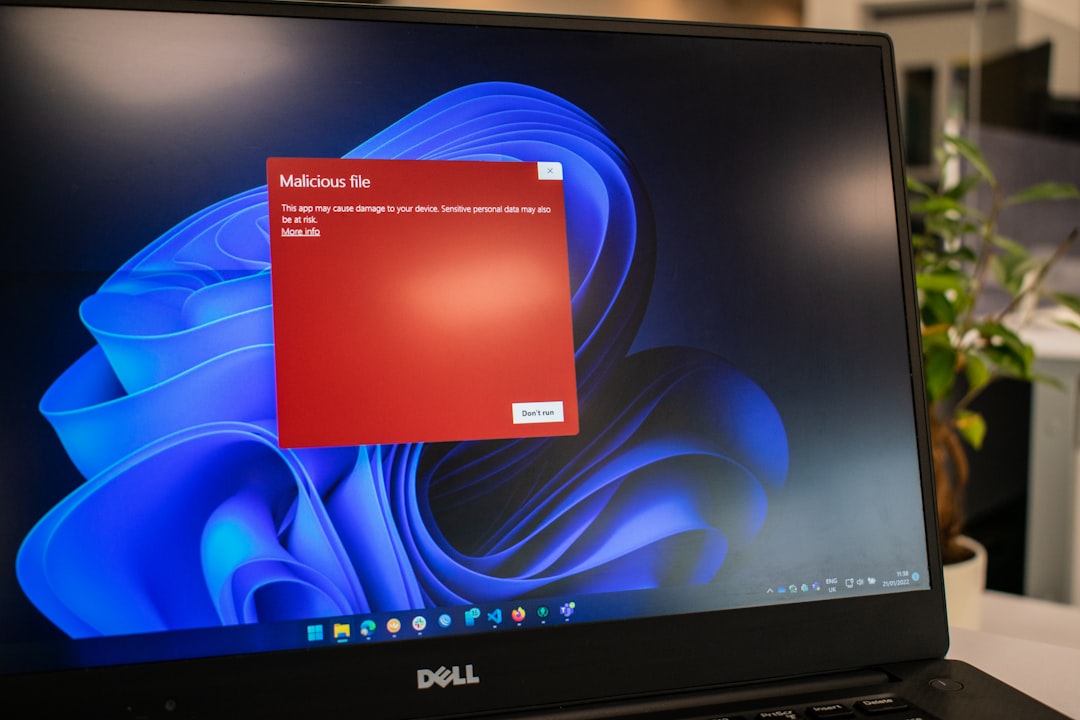






The cybersecurity firm Trellix has confirmed a source code breach, revealing that unauthorized access was made to a portion of its source code repository. As of May 2026, the company has taken immediate action, notifying law enforcement and engaging leading forensic experts to resolve the matter.
Key Takeaways
- Trellix has confirmed a source code breach, with unauthorized access to a portion of its source code repository.
- The breach was identified on an undisclosed date and notified law enforcement immediately.
- Leading forensic experts are involved in resolving the matter.
- Trellix has not disclosed the full extent of the breach or the potential impact on its operations.
- The company’s source code repository was accessed by unauthorized individuals.
The Breach
Trellix has confirmed that its source code repository was accessed by unauthorized individuals, resulting in a breach. According to the company, the breach was identified on an undisclosed date, and law enforcement was notified immediately.
The compromised repository includes code components related to its endpoint detection and response (EDR) products, which are used by enterprise clients across financial services, healthcare, and government sectors. While Trellix has not confirmed whether customer data was accessed, the exposure of EDR source code is particularly sensitive because it could reveal detection logic, security heuristics, and internal API structures—information that attackers could reverse-engineer to bypass protections in the wild.
The intrusion appears to have exploited a misconfigured access control in a legacy development environment. This environment, though isolated from production systems, was linked to internal collaboration tools used by engineers. The access control issue had not been flagged in the company’s last quarterly penetration test, which was conducted in Q1 2026 by a third-party security auditor, NCC Group.
Forensic Investigation
Trellix has engaged leading forensic experts to assist in resolving the matter. The company has not disclosed the full extent of the breach or the potential impact on its operations.
The forensic team, understood to include specialists from Mandiant, is analyzing system logs, access patterns, and version control histories to determine the scope of data exfiltration. Investigators are particularly focused on identifying whether the attackers used lateral movement techniques after initial access and whether any backdoors or persistence mechanisms were implanted in connected systems.
Git activity logs from the affected repository show anomalous cloning behavior between February and April 2026. Multiple pull requests originated from IP addresses traced to Eastern Europe, with timestamps indicating activity during off-hours in Trellix’s primary time zones. While Trellix employs multifactor authentication (MFA) for production environments, the breached development repository did not enforce MFA for read-only access, a policy gap now under review.
Investigation and Response
Investigation into the breach is ongoing, with Trellix working closely with law enforcement and forensic experts. The company has taken immediate action to contain and mitigate any potential damage caused by the breach.
Within 48 hours of detecting the breach, Trellix revoked all standing access keys associated with the affected repository, enforced MFA across all source code systems, and began a full audit of permission levels. Engineers have also initiated a code integrity review, scanning for any unauthorized modifications or hidden dependencies. No signs of tampering have been found so far, but the review is expected to take several weeks to complete.
As a precaution, Trellix has issued a security advisory to its enterprise customers, urging them to monitor for unusual behavior in their EDR agents and to update to the latest software version, released in early May 2026. The update includes hardened cryptographic signing processes for agent-to-console communications and improved memory protection for core processes.
The company has not yet disclosed whether any ransom or extortion demand was made. However, cybersecurity intelligence firm GreyNoise has observed chatter on underground forums referencing “Trellix source” being offered for sale. The listing, detected on May 10, 2026, claims to include 12 gigabytes of source code and is priced at 80 Bitcoin (approximately $4.2 million USD at current exchange rates). GreyNoise has not verified the authenticity of the data.
What This Means For You
This breach serves as a reminder of the importance of strong cybersecurity measures in protecting sensitive information. Developers and builders must take a proactive approach to securing their source code repositories, implementing measures such as encryption, access controls, and regular security audits.
The incident highlights the need for vigilance and prompt action in responding to potential breaches. Companies must have a well-defined incident response plan in place, including notification of law enforcement and stakeholders.
For software development teams, this is not just about perimeter security. It’s about adopting a zero-trust model for internal code repositories. That means requiring MFA for all access levels, even read-only, and segmenting development environments from collaboration platforms. It also means logging and monitoring Git operations—especially large or repeated clones—and triggering alerts for anomalies.
Organizations relying on Trellix products should assess their own detection rules for indicators of compromise (IOCs) related to EDR evasion. The Cybersecurity and Infrastructure Security Agency (CISA) has not yet issued an alert, but it has added the incident to its Known Exploited Vulnerabilities catalog for tracking.
Industry Parallels and Competitive Landscape
Trellix isn’t the first cybersecurity vendor to suffer a source code breach. In 2020, SolarWinds experienced a far-reaching compromise that affected thousands of customers, including U.S. federal agencies. That attack began with the theft of digital signing keys and led to the insertion of malicious code into legitimate software updates. The Trellix incident, while not yet confirmed to involve code tampering, follows a similar pattern of targeting trusted software supply chains.
Other major cybersecurity firms have faced similar threats. In 2023, Rapid7 disclosed that an attacker gained access to a developer’s account and exfiltrated source code related to its Insight platform. The company responded by enhancing its identity and access management (IAM) policies and deploying behavioral analytics tools to detect abnormal access patterns.
Competitors like CrowdStrike and Palo Alto Networks have invested heavily in secure development practices. CrowdStrike mandates hardware-based MFA for all code commits and uses automated static analysis tools to scan every pull request. Palo Alto, through its Prisma Cloud division, offers DevSecOps tooling that integrates with GitHub and GitLab to enforce security policies in real time. These practices are becoming industry benchmarks, especially as regulators increase scrutiny on software transparency and resilience.
Policy and Regulatory Implications
The Trellix breach arrives at a time when software supply chain security is under heightened regulatory focus. The U.S. Executive Order 14028 on Improving the Nation’s Cybersecurity, issued in 2021, mandates federal agencies to adopt stricter standards for software procurement, including requirements for Software Bill of Materials (SBOM) and secure development attestation.
While the order primarily targets government vendors, its influence is spreading to the private sector. The Securities and Exchange Commission (SEC) now requires public companies to disclose material cybersecurity incidents within four business days. Trellix, as a subsidiary of FireEye (acquired by Symphony Technology Group in 2022), is privately held and not subject to SEC reporting rules. However, its enterprise clients—many of which are publicly traded—may be required to disclose their exposure if the breach leads to downstream impacts.
The European Union’s Cyber Resilience Act, expected to take effect in 2027, will impose legally binding cybersecurity requirements on software manufacturers, including mandatory vulnerability disclosure and secure development lifecycle practices. Companies like Trellix will need to demonstrate compliance, or face fines up to 2% of global turnover. The current breach could prompt earlier internal adoption of such standards, even ahead of formal enforcement.
The Bigger Picture
This incident underscores a critical vulnerability in the cybersecurity industry itself: even those who sell protection are not immune to attack. When a security vendor’s source code is exposed, the fallout extends beyond reputation. It risks empowering adversaries with insider knowledge that can be used to evade detection, exploit zero-day vulnerabilities, or clone defensive tools for malicious use.
The growing frequency of such breaches reflects an arms race between defenders and attackers. As organizations harden their networks, adversaries shift focus to softer targets—like development pipelines and build servers. The 2024 Sonatype State of the Software Supply Chain report found that 91% of organizations experienced at least one open source-related security incident in the prior 12 months, with compromised repositories being a top vector.
Going forward, secure coding can’t be an afterthought. It must be embedded into every phase of development. That means investing in developer training, automating security checks, and treating source code with the same sensitivity as customer data. For Trellix and others, rebuilding trust will require more than technical fixes—it will demand transparency, accountability, and measurable improvements in how code is protected from creation to deployment.
Forward-Looking Questions
As the investigation continues, one question remains: what measures will Trellix take to prevent similar breaches in the future? Will the company strengthen its source code repository security, or implement additional measures to protect its intellectual property?
Sources: The Hacker News, original report.