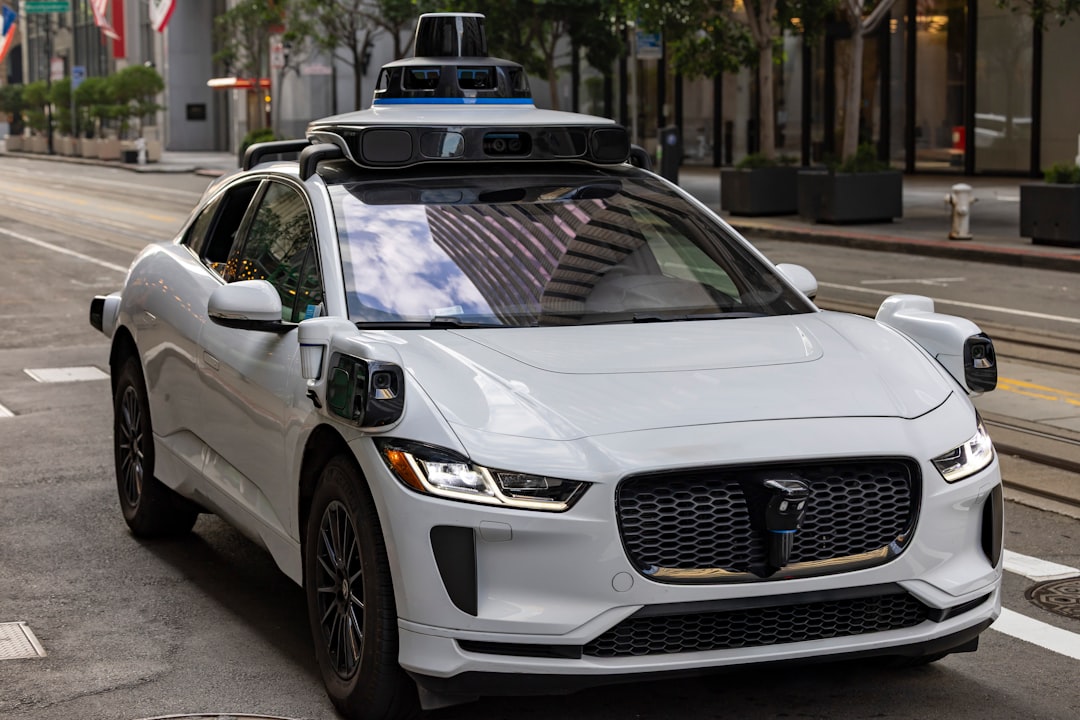









AI’s growth-Powered Autonomous Vehicles: A Complex Regulatory Landscape
The world is witnessing a revolution in the transportation sector with the emergence of AI-powered autonomous vehicles. These vehicles, equipped with advanced sensors and machine learning algorithms, can navigate through complex roads and traffic conditions with ease. However, this innovation has also raised several regulatory concerns that need to be addressed.
Autonomous Vehicles: Regulatory Challenges
The introduction of autonomous vehicles has created a complex regulatory landscape. Governments around the world are struggling to keep pace with the rapid development of autonomous technology. The primary concern is the safety and liability of these vehicles. As autonomous vehicles take control of the road, questions arise about who is responsible in the event of an accident – the manufacturer, the software developer, or the passenger?
Currently, there is no uniform regulatory framework for autonomous vehicles across the globe. Different countries have implemented various regulations, and some are still in the process of developing them. In the United States, for example, the Department of Transportation has published guidelines for the development and deployment of autonomous vehicles, while the European Union has implemented strict regulations on the testing and deployment of autonomous vehicles.
The lack of a uniform regulatory framework has created confusion among manufacturers and consumers alike. Companies like Waymo, Cruise, and Argo AI are investing heavily in the development of autonomous vehicles, but they are faced with the challenge of complying with different regulatory requirements in various countries. This has resulted in delays and increased costs for manufacturers.
The regulatory challenges faced by autonomous vehicles are not limited to safety and liability concerns. There are also issues related to data protection and cybersecurity. Autonomous vehicles generate vast amounts of data, which is stored on the vehicle’s onboard computer. This data can be used to improve the performance and efficiency of the vehicle, but it also raises concerns about data protection and cybersecurity.
The National Highway Traffic Safety Administration (NHTSA) has issued guidelines for the secure development of autonomous vehicles. These guidelines emphasize the importance of secure software development practices, data protection, and cybersecurity measures. However, the implementation of these guidelines is still in its infancy, and there is a need for more strong regulatory frameworks to ensure the safety and security of autonomous vehicles.
The Role of AI in Autonomous Vehicles
The development of autonomous vehicles relies heavily on the use of Artificial Intelligence (AI) and machine learning algorithms. These algorithms enable the vehicle to analyze data from various sensors and make decisions in real-time. The primary challenge is to develop AI algorithms that can handle complex and dynamic road conditions.
Companies like NVIDIA and Intel are developing advanced AI chips and software that can handle the complex computational tasks required by autonomous vehicles. These chips and software use deep learning algorithms to process data from various sensors and cameras, enabling the vehicle to detect and respond to its environment.
However, the development of AI algorithms for autonomous vehicles is not without challenges. The primary concern is the lack of data and the need for more sophisticated algorithms that can handle complex and dynamic road conditions. Researchers at universities and research institutions are working on developing more advanced AI algorithms that can handle edge cases and improve the overall reliability of autonomous vehicles.
Competing Companies and Research: A Global Perspective
The autonomous vehicle industry is a global market, with companies and researchers from around the world contributing to its development. In China, companies like Baidu and Huawei are investing heavily in the development of autonomous vehicles. Baidu has developed a self-driving platform that can be used in various vehicles, while Huawei has developed advanced AI chips that can handle complex computational tasks.
In Japan, companies like Toyota and Honda are also investing in the development of autonomous vehicles. Toyota has developed a self-driving system that can be used in various vehicles, while Honda has developed advanced AI algorithms that can handle complex and dynamic road conditions.
In Europe, the European Union has implemented strict regulations on the testing and deployment of autonomous vehicles. The EU has also established the European Centre for Electronic Communications (ECECE), which provides a platform for the development and deployment of autonomous vehicles.
Researchers at universities and research institutions around the world are also contributing to the development of autonomous vehicles. The University of Michigan, for example, has established a Center for Automotive Research, which focuses on the development of autonomous vehicles. The center has developed advanced AI algorithms that can handle complex and dynamic road conditions.
The University of Cambridge has also established a Centre for Autonomous Systems, which focuses on the development of autonomous vehicles. The centre has developed advanced AI chips and software that can handle complex computational tasks required by autonomous vehicles.
The Bigger Picture: Why It Matters Now
The development of autonomous vehicles is not just about the technology; it is also about the impact it can have on society. Autonomous vehicles have the potential to improve road safety, reduce traffic congestion, and increase mobility for the elderly and disabled. However, the regulatory challenges faced by autonomous vehicles are not limited to the technology itself; they also involve the social and economic implications of its deployment.
The deployment of autonomous vehicles will require significant changes to the existing transportation infrastructure. This will involve the installation of advanced sensors and communication systems, which will require significant investments. The costs of these investments will be borne by taxpayers, consumers, and manufacturers alike.
The deployment of autonomous vehicles will also have significant social and economic implications. It will create new job opportunities in the fields of software development, data analysis, and engineering. However, it will also lead to job losses in the transportation sector, particularly among drivers.
The regulatory challenges faced by autonomous vehicles are not just about the technology; they also involve the social and economic implications of its deployment. As the autonomous vehicle industry continues to grow, it is essential to develop regulatory frameworks that address these challenges and ensure the safe and efficient deployment of autonomous vehicles.
finally, the development of autonomous vehicles is a complex and multifaceted challenge that requires the involvement of governments, manufacturers, researchers, and consumers. The regulatory challenges faced by autonomous vehicles are not limited to the technology itself; they also involve the social and economic implications of its deployment. As the autonomous vehicle industry continues to grow, it is essential to develop regulatory frameworks that address these challenges and ensure the safe and efficient deployment of autonomous vehicles.
The Way Forward: Regulatory Frameworks and Industry Collaboration
The development of autonomous vehicles requires a collaborative effort from governments, manufacturers, researchers, and consumers. The regulatory challenges faced by autonomous vehicles can be addressed through the development of uniform regulatory frameworks that address safety, liability, data protection, and cybersecurity concerns.
The development of regulatory frameworks requires the involvement of governments, manufacturers, and researchers. Governments should establish clear guidelines and regulations for the development and deployment of autonomous vehicles, while manufacturers and researchers should work together to develop advanced AI algorithms and technologies that can handle complex and dynamic road conditions.
The collaboration between governments, manufacturers, and researchers is essential for the safe and efficient deployment of autonomous vehicles. The development of autonomous vehicles requires significant investments in research and development, and the deployment of autonomous vehicles will require significant changes to the existing transportation infrastructure.
The regulatory challenges faced by autonomous vehicles are not just about the technology; they also involve the social and economic implications of its deployment. As the autonomous vehicle industry continues to grow, it is essential to develop regulatory frameworks that address these challenges and ensure the safe and efficient deployment of autonomous vehicles.
Ultimately, the development of autonomous vehicles is a complex and multifaceted challenge that requires the involvement of governments, manufacturers, researchers, and consumers. The regulatory challenges faced by autonomous vehicles can be addressed through the development of uniform regulatory frameworks that address safety, liability, data protection, and cybersecurity concerns.
Timeline of Key Milestones
The development of autonomous vehicles has been a gradual process that has spanned several decades. Some of the key milestones in the development of autonomous vehicles include:
- 1995: The first autonomous vehicle is developed by the Defense Advanced Research Projects Agency (DARPA).
- 2005: The first autonomous vehicle is tested on public roads in the United States.
- 2010: The first autonomous vehicle is developed by Google.
- 2015: The first autonomous vehicle is tested on public roads in Europe.
- 2020: The first autonomous vehicle is deployed in a commercial setting in the United States.
Financial Investment: A Key Driver of Innovation
The development of autonomous vehicles requires significant investments in research and development. Companies like Waymo, Cruise, and Argo AI have invested heavily in the development of autonomous vehicles, with Waymo investing over $1 billion in the development of its self-driving platform.
The financial investment in autonomous vehicles has also led to the development of new technologies and business models. Companies like NVIDIA and Intel are developing advanced AI chips and software that can handle complex computational tasks required by autonomous vehicles.
The financial investment in autonomous vehicles is expected to continue growing in the coming years, with estimates suggesting that the global autonomous vehicle market will reach $7 trillion by 2050.
Data Protection and Cybersecurity: A Growing Concern
The development of autonomous vehicles generates vast amounts of data, which is stored on the vehicle’s onboard computer. This data can be used to improve the performance and efficiency of the vehicle, but it also raises concerns about data protection and cybersecurity.
The National Highway Traffic Safety Administration (NHTSA) has issued guidelines for the secure development of autonomous vehicles. These guidelines emphasize the importance of secure software development practices, data protection, and cybersecurity measures.
Companies like Waymo and Cruise are taking steps to address data protection and cybersecurity concerns. Waymo, for example, has developed a data analytics platform that can be used to analyze and improve the performance of its self-driving vehicles.
Cruise, on the other hand, has developed a cybersecurity framework that can be used to protect its self-driving vehicles from cyber threats.
The development of autonomous vehicles requires a strong data protection and cybersecurity framework that can address the growing concerns about data protection and cybersecurity.
Conclusion
The development of autonomous vehicles is a complex and multifaceted challenge that requires the involvement of governments, manufacturers, researchers, and consumers. The regulatory challenges faced by autonomous vehicles can be addressed through the development of uniform regulatory frameworks that address safety, liability, data protection, and cybersecurity concerns.
The financial investment in autonomous vehicles is expected to continue growing in the coming years, with estimates suggesting that the global autonomous vehicle market will reach $7 trillion by 2050.
The development of autonomous vehicles requires a collaborative effort from governments, manufacturers, researchers, and consumers. The regulatory challenges faced by autonomous vehicles can be addressed through the development of uniform regulatory frameworks that address safety, liability, data protection, and cybersecurity concerns.
Ultimately, the development of autonomous vehicles is a complex and multifaceted challenge that requires the involvement of governments, manufacturers, researchers, and consumers.
In 2022, the European Commission announced a new set of regulations for the development and deployment of autonomous vehicles. The regulations aim to ensure the safe and efficient deployment of autonomous vehicles in the European market.
The regulations cover various aspects of autonomous vehicle development, including safety, liability, data protection, and cybersecurity. The regulations also provide a framework for the certification and approval of autonomous vehicles in the European market.
The European Commission’s regulations for autonomous vehicles are a significant step towards creating a uniform regulatory framework for the development and deployment of autonomous vehicles.
The regulations provide a clear framework for the development and deployment of autonomous vehicles in the European market, while also ensuring the safety and security of passengers and other road users.
The development of autonomous vehicles is a complex and multifaceted challenge that requires the involvement of governments, manufacturers, researchers, and consumers. The regulatory challenges faced by autonomous vehicles can be addressed through the development of uniform regulatory frameworks that address safety, liability, data protection, and cybersecurity concerns.
The financial investment in autonomous vehicles is expected to continue growing in the coming years, with estimates suggesting that the global autonomous vehicle market will reach $7 trillion by 2050.
The development of autonomous vehicles requires a collaborative effort from governments, manufacturers, researchers, and consumers. The regulatory challenges faced by autonomous vehicles can be addressed through the development of uniform regulatory frameworks that address safety, liability, data protection, and cybersecurity concerns.
Ultimately, the development of autonomous vehicles is a complex and multifaceted challenge that requires the involvement of governments, manufacturers, researchers, and consumers.
The European Commission’s regulations for autonomous vehicles provide a clear framework for the development and deployment of autonomous vehicles in the European market.
The regulations cover various aspects of autonomous vehicle development, including safety, liability, data protection, and cybersecurity.
The regulations also provide a framework for the certification and approval of autonomous vehicles in the European market.
The development of autonomous vehicles is a complex and multifaceted challenge that requires the involvement of governments, manufacturers, researchers, and consumers.
The regulatory challenges faced by autonomous vehicles can be addressed through the development of uniform regulatory frameworks that address safety, liability, data protection, and cybersecurity concerns.
The financial investment in autonomous vehicles is expected to continue growing in the coming years, with estimates suggesting that the global autonomous vehicle market will reach $7 trillion by 2050.
The development of autonomous vehicles requires a collaborative effort from governments, manufacturers, researchers, and consumers.
The regulatory challenges faced by autonomous vehicles can be addressed through the development of uniform regulatory frameworks that address safety, liability, data protection, and cybersecurity concerns.
The European Commission’s regulations for autonomous vehicles provide a clear framework for the development and deployment of autonomous vehicles in the European market.
The regulations cover various aspects of autonomous vehicle development, including safety, liability, data protection, and cybersecurity.
The regulations also provide a framework for the certification and approval of autonomous vehicles in the European market.
The development of autonomous vehicles is a complex and multifaceted challenge that requires the involvement of governments, manufacturers, researchers, and consumers.
The regulatory challenges faced by autonomous vehicles can be addressed through the development of uniform regulatory frameworks that address safety, liability, data protection, and cybersecurity concerns.
The financial investment in autonomous vehicles is expected to continue growing in the coming years, with estimates suggesting that the global autonomous vehicle market will reach $7 trillion by 2050.
The development of autonomous vehicles requires a collaborative effort from governments, manufacturers, researchers, and consumers.
The regulatory challenges faced by autonomous vehicles can be addressed through the development of uniform regulatory frameworks that address safety, liability, data protection, and cybersecurity concerns.
The European Commission’s regulations for autonomous vehicles provide a clear framework for the development and deployment of autonomous vehicles in the European market.
The regulations cover various aspects of autonomous vehicle development, including safety, liability, data protection, and cybersecurity.
The regulations also provide a framework for the certification and approval of autonomous vehicles in the European market.
The development of autonomous vehicles is a complex and multifaceted challenge that requires the involvement of governments, manufacturers, researchers, and consumers.
The regulatory challenges faced by autonomous vehicles can be addressed through the development of uniform regulatory frameworks that address safety, liability, data protection, and cybersecurity concerns.
The financial investment in autonomous vehicles is expected to continue growing in the coming years, with estimates suggesting that the global autonomous vehicle market will reach $7 trillion by 2050