




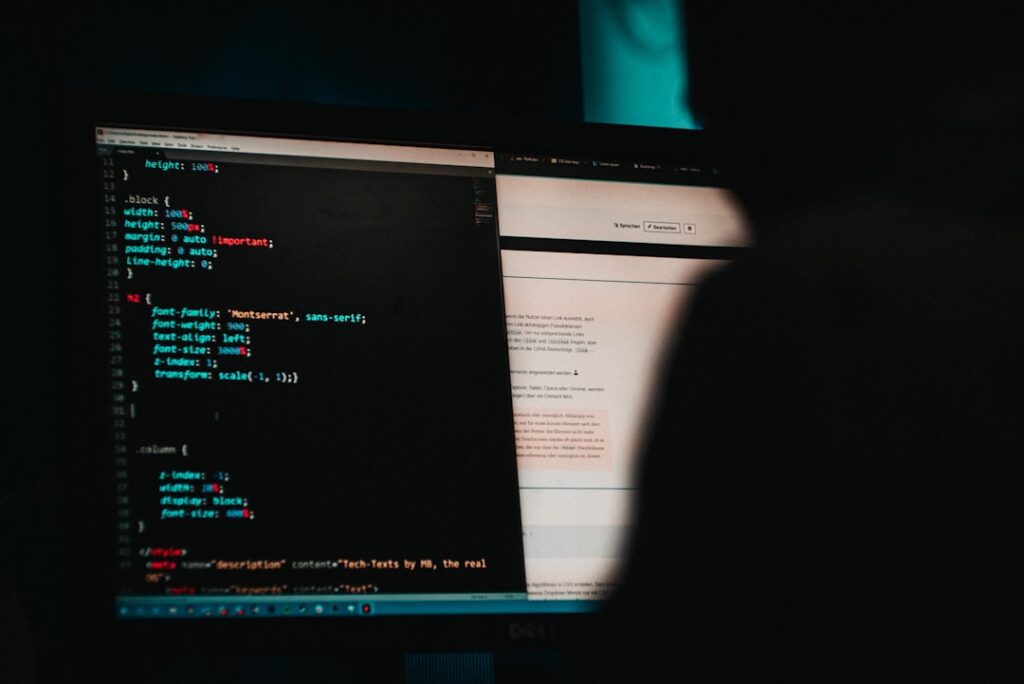
The news of the Trellix source code breach broke last week, with reports emerging that sensitive information had been compromised. According to BleepingComputer, the attack on the Trellix source code repository has been claimed by the RansomHouse threat group, which leaked a small set of images as proof of the intrusion.
Key Takeaways
- The RansomHouse threat group has claimed responsibility for the Trellix source code breach.
- A small set of images was leaked as proof of the intrusion.
- The breach exposed sensitive information, including intellectual property.
- The incident raises concerns about data security and intellectual property protection.
- Trellix has not yet commented on the breach or the extent of the damage.
Trellix Source Code Breach: What We Know
The Trellix source code breach was first reported last week, with BleepingComputer claiming that the RansomHouse threat group had leaked a small set of images as proof of the intrusion. The images appear to show sensitive information, including code and intellectual property.
While the full scope remains unclear, early analysis suggests the leaked material includes internal development tools, authentication logic, and fragments of proprietary algorithms used in Trellix’s threat detection systems. These components are central to how the company identifies and responds to cyberattacks. If reconstructed or reverse-engineered, they could give attackers insight into blind spots or defensive patterns used across Trellix-powered security environments.
The breach appears to have targeted a public-facing development server, possibly one used for collaboration or continuous integration. There’s no indication yet whether multi-factor authentication was enforced on the affected systems or whether credentials were obtained through phishing, brute force, or a zero-day exploit. The absence of an official statement from Trellix leaves many technical details open to speculation.
RansomHouse Threat Group
The RansomHouse threat group has been linked to several high-profile attacks in recent months, including a breach of a major tech company’s source code repository. The group is known for its sophisticated attacks and ability to evade detection.
RansomHouse typically follows a double-extortion model: exfiltrating data before deploying ransomware or locking systems, then threatening to release the stolen information if payment isn’t made. In this case, no ransom demand has been publicly tied to the Trellix incident, and the group has instead positioned the leak as a demonstration of capability. The images posted online were shared through underground forums and mirrored on decentralized file-sharing platforms, making takedown efforts difficult.
What sets RansomHouse apart from other ransomware-affiliated collectives is its focus on software development infrastructure. Previous incidents attributed to the group have involved infiltration of Git servers, compromise of CI/CD pipelines, and theft of signing certificates. Their attacks often bypass traditional perimeter defenses by targeting less-secured development environments where access controls may be looser to allow rapid iteration.
The group has also shown a preference for targeting organizations involved in cybersecurity itself, possibly to maximize reputational damage. Breaching a security vendor undermines trust in the entire supply chain — a psychological blow that echoes far beyond the immediate technical fallout.
Historical Context
Source code breaches are not new, but their frequency and impact have grown as software becomes more interconnected and development workflows more distributed. One of the earliest high-profile cases occurred in 2020 when SolarWinds was compromised through a supply chain attack, leading to the insertion of malicious code into its Orion software updates. That breach affected thousands of organizations, including U.S. federal agencies.
In 2021, Codecov, a code coverage tool used by developers worldwide, suffered a breach where attackers modified a script in its software delivery process. This allowed them to siphon environment variables, tokens, and credentials from hundreds of companies using the service. Unlike the Trellix incident, Codecov confirmed the breach within weeks and issued detailed mitigation guidance.
More recently, in 2023, a vulnerability in 3CX’s software update mechanism led to a global supply chain compromise affecting tens of thousands of businesses. The attack involved signed, malicious binaries being pushed to users under the guise of routine updates. In each of these cases, attackers exploited trust in development and deployment pipelines — the same weak points that appear to have been targeted in the Trellix breach.
What’s different now is the visibility. Underground groups like RansomHouse operate more like brands, using leaks and screenshots to build credibility and fear. They don’t always demand money. Sometimes, the goal is disruption, reputation damage, or even recruitment. The Trellix incident fits a pattern where credibility in the cybercrime ecosystem is earned through audacious hits on security firms themselves.
Implications of the Breach
The Trellix source code breach has significant implications for the company and its customers. The breach exposes sensitive information, including intellectual property, which could be used for malicious purposes.
For customers, the risk isn’t just hypothetical. If attackers gain access to how detection rules are written or how threat signatures are generated, they can design malware that flies under the radar. That means phishing campaigns, ransomware strains, or lateral movement tools could be specifically tailored to avoid triggering alerts in Trellix-protected environments.
There’s also a cascading effect across the cybersecurity ecosystem. Trellix technology is embedded in products and services used by managed service providers, government agencies, and enterprise IT departments. A flaw exposed in Trellix’s code could indirectly affect organizations that don’t even realize they’re running its software.
Intellectual property theft is another major consequence. Proprietary algorithms, machine learning models, and detection heuristics represent years of research and investment. If these are copied or repurposed, competitors — or worse, hostile actors — could replicate capabilities without the R&D cost. In some cases, stolen code has shown up in state-sponsored cyber operations months after a breach.
The lack of an official response from Trellix compounds uncertainty. Silence can be interpreted as either ongoing investigation or unpreparedness. Either way, it delays customer response. Without knowing which systems were accessed or what data was taken, organizations can’t assess their own exposure or take targeted action.
What This Means For You
The Trellix source code breach serves as a reminder of the importance of data security and intellectual property protection. Companies must take steps to ensure that their sensitive information is protected from unauthorized access.
The breach also highlights the need for companies to have strong incident response plans in place. This includes regular security audits, vulnerability testing, and employee training on security best practices.
For developers working in enterprise environments, this event should prompt a review of access controls on internal repositories. Are all Git servers behind firewalls? Are personal access tokens rotated regularly? Is there monitoring in place for unusual download patterns or off-hours access? A single misconfigured repository can become the entry point for a major breach.
Founders of early-stage tech companies should consider the long-term risks of prioritizing speed over security in development workflows. It’s common for startups to leave repositories open or reuse credentials across staging and production systems. That works — until it doesn’t. The RansomHouse breach is a warning that even indirect exposure, like using a compromised third-party tool, can bring down an entire operation.
Builders of open-source projects face a different challenge. Many rely on public CI/CD platforms and volunteer maintainers with broad access. The Trellix incident underscores the need for stricter contributor policies, code signing requirements, and automated anomaly detection. A project doesn’t need to be large to be targeted — it just needs to be part of someone else’s supply chain.
Competitive Landscape
The Trellix breach arrives at a time of consolidation and heightened competition in the cybersecurity industry. Trellix, formed from the merger of McAfee Enterprise and FireEye in 2022, positioned itself as a unified platform for threat intelligence and automated response. The company has pitched its integrated architecture as a way to reduce complexity while improving detection accuracy.
But integration comes with risk. A breach in one component can have far-reaching consequences when systems are tightly coupled. Competitors like CrowdStrike, Palo Alto Networks, and SentinelOne have built their platforms around cloud-native, modular designs that isolate components and limit lateral movement. These architectures may prove more resilient in the face of supply chain attacks.
Market perception matters, too. Customers evaluating vendors will now weigh not just technical capabilities but also transparency and incident response track records. Trellix’s silence could give rivals an opening to position themselves as more trustworthy or responsive. In enterprise sales, trust is often the deciding factor — especially when the product is supposed to prevent exactly this kind of incident.
Investors are also watching. Cybersecurity firms are under pressure to demonstrate operational maturity, not just innovation. A breach at the code level can trigger reassessments of valuation, especially if intellectual property is confirmed lost. Some analysts have already begun questioning whether recent M&A activity has created organizational blind spots, where security policies lag behind technical integration.
What Happens Next
Trellix will likely issue a statement in the coming days, either confirming the breach or providing technical indicators for affected systems. Until then, customers are left to rely on third-party reports and speculation.
The cybersecurity community may see a spike in attacks mimicking Trellix’s detection logic, especially if more code fragments surface. Threat intelligence firms will be parsing the leaked images for clues about system architecture, hardcoded credentials, or API endpoints that could be exploited.
Regulators could also get involved, particularly if customer data or government contracts are implicated. While no personal data has been reported stolen, the exposure of security tools used by critical infrastructure operators may attract scrutiny from agencies like CISA or the FTC, especially if patching or disclosure timelines are deemed inadequate.
One thing is certain: the era of treating source code repositories as low-risk development zones is over. The Trellix breach is another signal that the soft underbelly of modern software isn’t the end user — it’s the pipeline that builds and delivers it.
Sources: BleepingComputer, Cybersecurity News