



On May 21, 2026, GitHub confirmed a breach that wasn’t just another data leak — it was the most brazen symptom of a full-scale assault on the open source ecosystem. Hackers from the group known as TeamPCP had compromised around 4,000 internal repositories by exploiting a poisoned VSCode extension. The breach wasn’t the first of its kind, but it’s now part of a pattern: a relentless, automated software supply chain attack campaign that has infected more than 500 distinct tools and is spreading faster than defenders can respond.
Key Takeaways
- TeamPCP has launched over 20 waves of software supply chain attack in just months, corrupting more than 500 open source tools.
- The group breached GitHub on May 21, 2026, via a malicious VSCode extension, accessing roughly 4,000 internal repositories.
- Mini Shai-Hulud, a self-propagating worm, automates credential theft and spreads through poisoned code with references to Dune.
- Victims include Anthropic, Mercor, and hundreds of undisclosed companies — all linked by shared development tools.
- TeamPCP operates a dark-web site complete with Matrix-style visuals and a reggae fusion soundtrack, openly advertising stolen data for sale.
The Software Supply Chain Attack That Never Stops
There’s a new normal in cybersecurity: weekly software supply chain attack alerts. What used to be rare, high-impact events are now routine. And TeamPCP is turning the volume up to eleven. Unlike traditional hackers who target end-user systems or cloud misconfigurations, TeamPCP goes straight for the jugular — the tools developers trust every day. They don’t break in through firewalls. They walk in through the backdoor of a plugin, an extension, a dependency.
This isn’t opportunistic hacking. It’s a factory. The group has systematized compromise, using poisoned code to steal credentials, hijack publishing rights, and then inject malware into upstream packages. Once inside, they don’t just exfiltrate data — they plant long-term access points. And because the tools they corrupt are used by other developers, the infection spreads laterally. It’s not a single breach. It’s a network of them, stitched together by shared trust in open source.
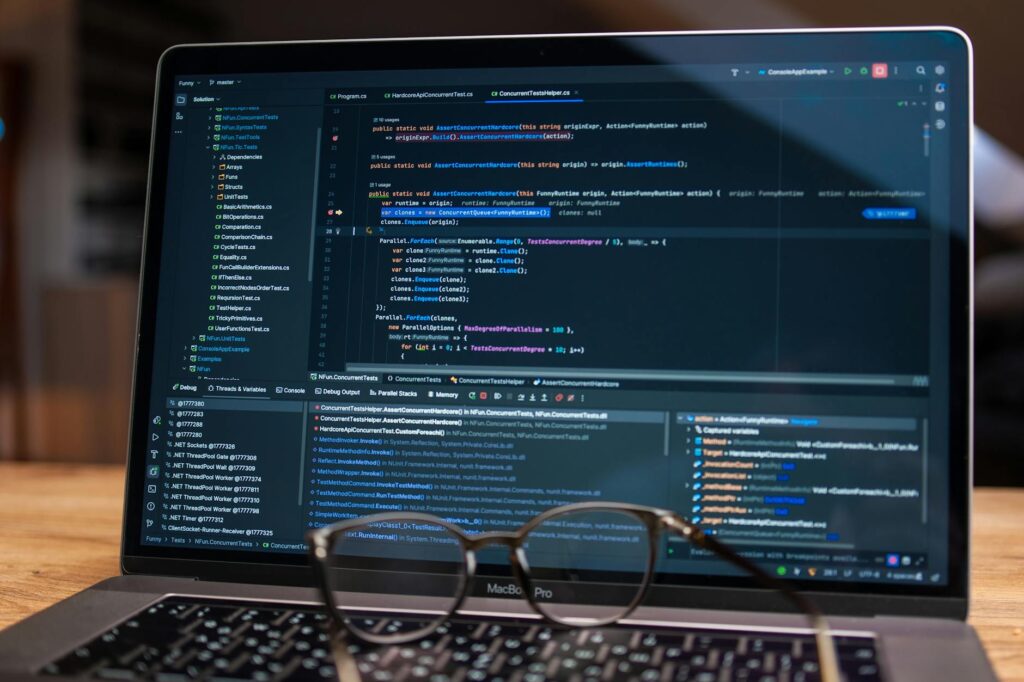
GitHub’s breach is the loudest alarm yet. A developer installed a compromised VSCode extension — a tool so routine, so mundane, that no one would blink. But that extension gave TeamPCP access. And once inside, they didn’t stop. They moved laterally, accessed repositories, and exposed internal systems. GitHub says the breach was limited to its own code, not customer data. That’s cold comfort. The fact that TeamPCP could get that far using a third-party plugin should scare every engineering team that uses open source tooling.
Inside the Flywheel of Compromise
Ben Read, who leads strategic threat intelligence at Wiz, calls it a flywheel of supply chain compromises. And he’s right. TeamPCP doesn’t rely on one lucky break. They’ve built a self-replicating cycle:
- They compromise a developer environment via a trusted but poisoned tool (like a VSCode extension).
- They harvest credentials — API keys, SSH tokens, GitHub PATs — that allow them to publish or modify code.
- They inject malware into open source libraries or tools used by other developers.
- Those developers install the tainted tool, unknowingly giving TeamPCP access to their environments.
- The cycle repeats, expanding the attack surface with every iteration.
Each step enables the next. And because open source tools are shared, reused, and often poorly monitored, the spread is exponential. It’s not about breaking encryption or bypassing multi-factor authentication. It’s about abusing trust. And trust, in the open source world, is the default setting.
How Mini Shai-Hulud Automates the Spread
The latest evolution in this campaign is a worm called Mini Shai-Hulud. It’s not just malware — it’s a self-replicating agent that scours infected systems for credentials, encrypts them, and deposits them into new GitHub repositories with a message: “A Mini Shai-Hulud Has Appeared”. The name is a nod to Frank Herbert’s Dune — sandworms that devour the desert — and a callback to an earlier supply chain worm called Shai-Hulud from September 2025.
There’s no evidence TeamPCP created the original Shai-Hulud, but they’ve clearly studied it. Mini Shai-Hulud automates the credential harvesting phase, slashing the time between initial compromise and lateral movement. It doesn’t just steal keys — it organizes them, encrypts them, and creates new repos to store them, all under names that tease their presence. It’s not hiding. It’s taunting.
Philipp Burckhardt, who leads research at Socket, says the group “really care[s] about getting big attention.” That’s not just branding. It’s strategy. The louder they are, the more fear they generate. And fear slows down response. When every new npm package, every VSCode extension, every GitHub repo could be compromised, decision paralysis sets in.
From Botnets to Ecosystem Domination
TeamPCP didn’t start here. In late 2025, they were just another cybercriminal crew exploiting cloud misconfigurations and a vulnerability in Next.js to deploy botnets for crypto mining and credential theft. But they learned fast. They realized that targeting individual systems was inefficient. Targeting the tools that build those systems? That’s use.
They pivoted hard. They began focusing on open source maintainers, developers with publishing rights, and CI/CD pipelines. And they weaponized automation. Mini Shai-Hulud is the result — a worm that doesn’t just infect, but recruits. Every machine it touches becomes a node in their harvesting network.
Their dark-web presence is equally calculated. Their site features cascading digital rain, a reggae fusion soundtrack, and the tagline: “TEAMPCP: The Cats Hijacking Your Supply Chains.” It’s ridiculous. It’s memorable. And it’s effective. They’re not hiding in the shadows. They’re leaning into the spotlight, turning cybercrime into performance art.
Why Open Source Can’t Ignore This Anymore
For years, the open source community operated on a kind of honor system. Code was reviewed, sure — but often after it shipped. Maintainers were volunteers. Security audits were rare. The assumption was that transparency equaled safety. But TeamPCP has proven that wrong. Transparency doesn’t stop a determined attacker. It just gives them more visibility into how the system works.
And the economics are broken. Maintainers of critical tools like AntV or popular VSCode extensions often get no funding, no support, and little recognition — until something goes wrong. Then they’re blamed. TeamPCP exploits that imbalance. They don’t need to bribe or blackmail developers. They just wait for someone to install a malicious extension, click a phishing link, or reuse a leaked credential.
Socket, which has tracked TeamPCP for months, says the group has hijacked over 1,000 versions of open source code across more than 500 unique packages. That’s not a campaign. That’s an occupation.
What This Means For You
If you’re a developer, founder, or tech lead, this isn’t someone else’s problem. TeamPCP isn’t targeting GitHub because it’s iconic. They’re targeting it because it’s connected. And if your team uses any open source tool, you’re in the blast radius. The days of blindly installing npm packages or VSCode extensions are over. You need to audit dependencies like you audit code. You need to restrict publishing rights. You need to assume that any tool you didn’t build yourself could be compromised.
Start by freezing non-critical third-party tools. Review what your team actually uses. Remove anything unused. Enforce strict access controls on publishing credentials. Monitor for anomalous commits or new repositories with strange names. And assume that Mini Shai-Hulud is already inside your environment — because if it’s not today, it might be tomorrow.
This isn’t just about patching a vulnerability. It’s about rethinking how we build software. If the tools we trust are the ones being weaponized, then trust itself has become the attack vector. And no amount of MFA or endpoint detection can fix that without a cultural shift.
“It may be their biggest one. But each one of these is a big deal for the company that it happens to. It’s not qualitatively different from the 14 breaches that happened last week.” — Ben Read, Wiz
We used to worry about nation-state actors or ransomware gangs. Now we have to worry about cybercriminals who’ve turned open source into a self-sustaining attack platform. TeamPCP didn’t invent the software supply chain attack. But they’ve perfected it. And if we don’t stop treating open source security as an afterthought, they won’t be the last.
How many poisoned packages will it take before we treat our tooling with the same paranoia as our production systems?
Sources: Wired, original report