
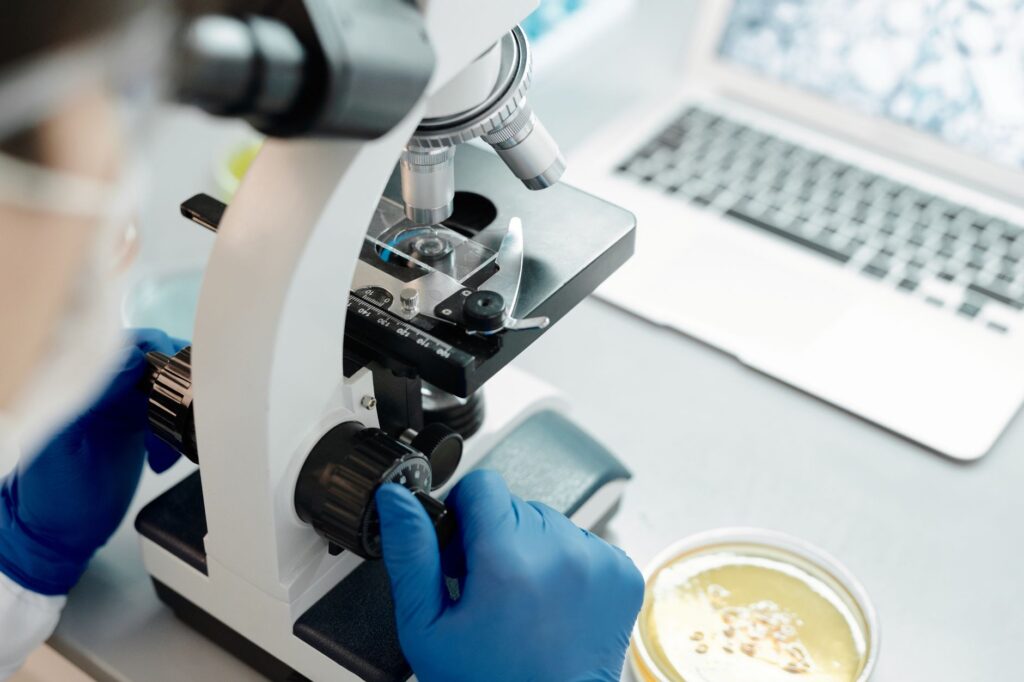
Six episodes, six continents, and a single filmmaker: Ariel Waldman filmed Life Unearthed entirely on her own, and she didn’t let the odds stop her. The series, now streaming on PBS and YouTube, turns the barren dry valleys of Antarctica into a microscopic jungle, proving that microscope technology can make a desert look alive.
Key Takeaways
- Waldman filmed the entire six-episode series solo, using a mix of microscopes, drones and custom camera rigs.
- The docuseries reveals invisible wildlife—nematodes, rotifers, tardigrades—in both Antarctic deserts and North American prairies.
- Waldman argues that looking at soil through microscopes is as crucial as stargazing when hunting for extraterrestrial life.
- Her DIY approach underscores how low‑cost gear can capture high‑impact science storytelling.
- Climate‑driven changes threaten the habitats she documents, making the series a time capsule of disappearing ecosystems.
Historical Context: Microscopes Meet the Wild
The idea of using microscopes to explore natural habitats isn’t new. Early naturalists would set up simple lenses on wooden stands, peering at pond water to catalog tiny creatures. Those pioneers proved that the invisible world could be as compelling as any sweeping landscape shot. Over the decades, macro photography grew from a hobbyist’s pastime to a staple of scientific documentation. Each improvement—better optics, lighter frames, and more reliable illumination—opened doors for storytellers willing to get up close.
In parallel, documentary filmmaking evolved from large crews with massive rigs to lean teams that could travel light. The convergence of portable microscopes and compact camera systems set the stage for a creator like Waldman to venture into places most cameras would never survive. The technology that once belonged in a laboratory now fits in a backpack, letting a single person capture both the macro and the micro in one smooth narrative.
How microscope technology fuels Life Unearthed’s vision
When Waldman stepped onto the cracked earth of the McMurdo Dry Valleys, she wasn’t just holding a camera—she was lugging a suite of microscopes that let her see life that the naked eye can’t detect. “If you want to do a nature documentary in [the dry valleys] of Antarctica, you need microscopes to see the animals that exist there,” she told me in a quiet office lined with lenses and camera mounts. That quote, set in a room full of gear, captures why she treats the ground like a new sky.
From Antarctic deserts to prairie wetlands
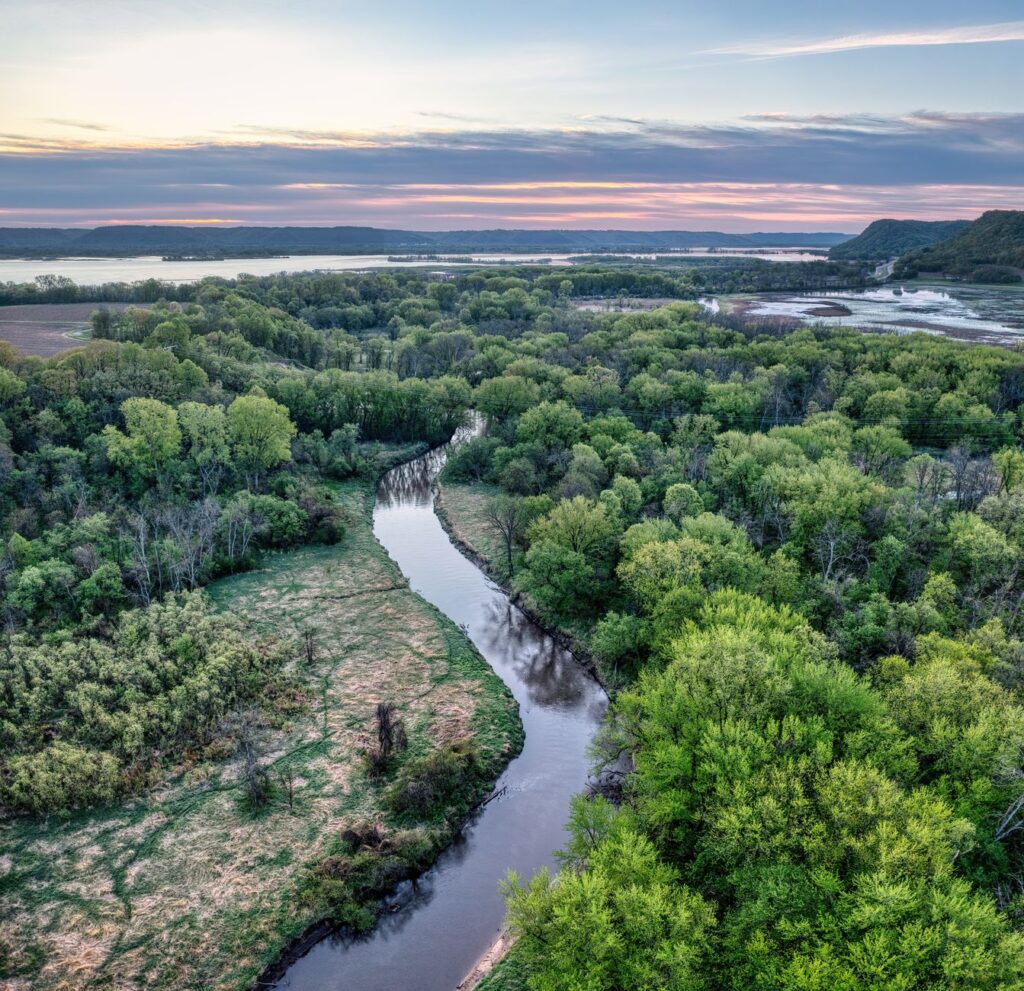
Waldman’s journey jumps from the stark white of Antarctica to the soggy, beet‑laden soils of the North American prairies. In both places, she finds the same hidden cast: nematodes that churn organic matter, rotifers that glide through thin films of water, and the indomitable tardigrades that survive extreme cold, heat and even the vacuum of space. The contrast is striking—one landscape looks like a Martian plain, the other a swampy meadow—yet the microscopic life forms tie them together.
The gear that turned soil into cinema
Waldman didn’t bring a Hollywood crew; she brought a backpack of equipment that she’d assembled herself. The list reads like a maker’s wish‑list: a macro probe lens that keeps depth of field when shooting tiny landscapes, a drone for aerial context, and a camera on a long wire designed for looking inside clogged pipes. She also used several custom camera mounts to get the right angle when filming underground burrows of prairie crayfish. Each piece was chosen to let her capture the invisible without a big budget.
- Macro probe lens – captures depth of field for minute subjects.
- Drone – provides aerial perspective of otherwise inaccessible terrain.
- Long‑wire camera mount – reaches into narrow burrows and pipe‑like soil cracks.
- Portable microscopes – reveal nematodes, rotifers and tardigrades on site.
Because she built the rigs herself, Waldman could adapt on the fly. When a sudden wind threatened to blow away a delicate slide of soil, she rigged a makeshift shield from the drone’s spare parts. That improvisation shows that low‑cost, flexible gear can outperform expensive, rigid setups when you’re chasing the unseen.
Technical Architecture: From Lens to Storyboard
At the heart of the series lies a layered workflow. First, a portable microscope gathers raw footage of organisms swimming in a drop of water or crawling across a grain of sand. That footage is recorded onto a compact solid‑state drive, which keeps data safe from the harsh temperature swings of Antarctica. Next, a macro probe lens captures broader context—soil particles, moisture gradients, and tiny air pockets that host the critters. A drone then flies overhead, stitching together a geographic map that anchors the microscopic scenes to a recognizable landscape.
All three data streams converge in post‑production. The editor aligns the aerial shot with the macro view, creating a visual bridge that lets viewers travel from continent‑scale vistas down to individual tardigrade limbs. Custom camera mounts, often fashioned from lightweight aluminum tubing, provide the stability needed for long‑exposure shots without introducing vibrations that would blur the tiny subjects. The final output is a smooth blend of scale, where each frame feels intentional rather than a patchwork of disparate clips.
Why the invisible matters for climate change
Both the Antarctic dry valleys and the prairie wetlands are undergoing rapid, sometimes violent, transformations due to climate change. The dry valleys, once thought to be static, are now seeing meltwater seep in, altering the microbial communities that keep the soil stable. In the prairies, shifting precipitation patterns are changing the composition of soil fauna, which in turn affects carbon storage. Waldman’s cameras capture these shifts in real time, giving scientists a visual record of ecosystems that might otherwise go undocumented.
“When we’re thinking about finding life on other planets or moons, our best guess is that we would find something microscopic.”
That statement, delivered with the same quiet confidence she uses when handling a slide, reminds us that the smallest organisms can inform the biggest questions about habitability. If we’re looking for life beyond Earth, we’ll need to peer through microscopes before we can point telescopes at distant worlds.
What developers can learn from Waldman’s DIY approach
For builders of scientific tools, Waldman’s workflow is a masterclass in iterative hardware development. She didn’t wait for a grant to buy a high‑end microscope; she started with a portable unit, added a macro lens, and refined the setup through field testing. That mindset mirrors agile software: ship a minimal viable product, gather feedback, and improve. The result is a platform that can be reproduced by hobbyists, expanding the pool of citizen scientists who can document soil life.
Her use of open‑source drone firmware also shows how software can extend hardware capability without additional cost. By tweaking flight patterns, she captured aerial footage that aligns perfectly with the microscopic shots, creating a smooth narrative that would otherwise require a large crew. Developers should note how integrating off‑the‑shelf components with custom code can open up storytelling possibilities.
What This Means For You
If you’re a developer building tools for environmental monitoring, Waldman’s series suggests that low‑cost, modular hardware can be as powerful as expensive, proprietary systems. Consider designing plug‑and‑play microscope attachments that work with smartphones—this could democratise soil sampling for schools and NGOs. Also, think about coupling aerial drones with ground‑level sensors; the combined data set will give stakeholders a richer picture of ecosystem health.
For founders, the series is a reminder that narratives matter. By packaging scientific data into a compelling visual story, Waldman has attracted audiences on PBS, YouTube and social media without a massive marketing budget. If you can tell a clear, relatable story about your tech—whether it’s about carbon‑capture hardware or AI‑driven climate models—you’ll find traction faster than you might expect.
Three concrete scenarios illustrate how the DIY ethos can translate into everyday practice. First, a startup that creates a modular sensor kit could let field biologists snap a phone onto a microscope, record a video, and immediately upload it to a cloud database. Second, an NGO could equip volunteers with a lightweight drone and a simple slide‑holder, enabling community members to map soil health across a watershed in a single weekend. Third, a university lab might replace a costly benchtop microscope with a 3‑D‑printed mount and a consumer‑grade camera, freeing budget for additional experiments while still producing publishable footage.
Waldman hopes that viewers will pick up a microscope and “just throw things under it,” because seeing life at that scale can change attitudes toward conservation. That call to action is practical: a cheap microscope costs less than a coffee habit per month, yet it can open an entire universe of discovery.
As we watch the footage of tardigrades wiggling their puffy legs and “booping” into plant cells, we can’t help but wonder: will the next wave of explorers use Waldman’s DIY ethos to map the microbiomes of other planets, or will they rely on ever‑larger, more expensive instruments?
Key Questions Remaining
Waldman’s work opens a handful of unanswered questions. How will the visual data she captured be integrated into long‑term climate models that typically rely on bulk measurements? What standards will emerge for sharing microscopic footage across scientific disciplines without compromising data integrity? Will the growing community of citizen scientists be able to maintain the same level of quality when they replicate her low‑cost rigs? And finally, as climate pressures accelerate, how many of the micro‑habitats documented in this series will survive long enough to be studied again?
Answers to these questions will shape the next chapter of soil‑based storytelling. If the community can develop shared protocols, the footage from “Life Unearthed” could become a reference point for future generations—much like a time capsule that preserves an ecosystem snapshot before it vanishes.
Sources: New Scientist Tech, original report