

Fabrizio Pilo, an electrical engineer, asks me a question that gets to the heart of Sardinia’s clean energy conflict: ‘Why are you here?’ It’s a fair question, considering I’m a journalist from the United States, and I’ve just arrived on the island after a 2-hour flight.
Key Takeaways
- Sardinia is rejecting a clean energy future, despite boasting some of the best solar and wind resources in Europe.
- The island’s residents are concerned about the impact of large-scale renewable energy projects on their quality of life.
- The conflict highlights the need for more inclusive and community-driven approaches to renewable energy development.
- Experts estimate that Sardinia could meet 100% of its energy needs with solar power alone, but the island’s residents are skeptical.
A Conflict Brewing
The conflict over clean energy in Sardinia is a complex one, with deep roots in the island’s history and culture. According to a report from IEEE Spectrum, the island’s residents are concerned about the impact of large-scale renewable energy projects on their quality of life. The report highlights the case of the Montiferru wind farm, which was met with fierce resistance from local residents who feared it would spoil the island’s natural beauty.
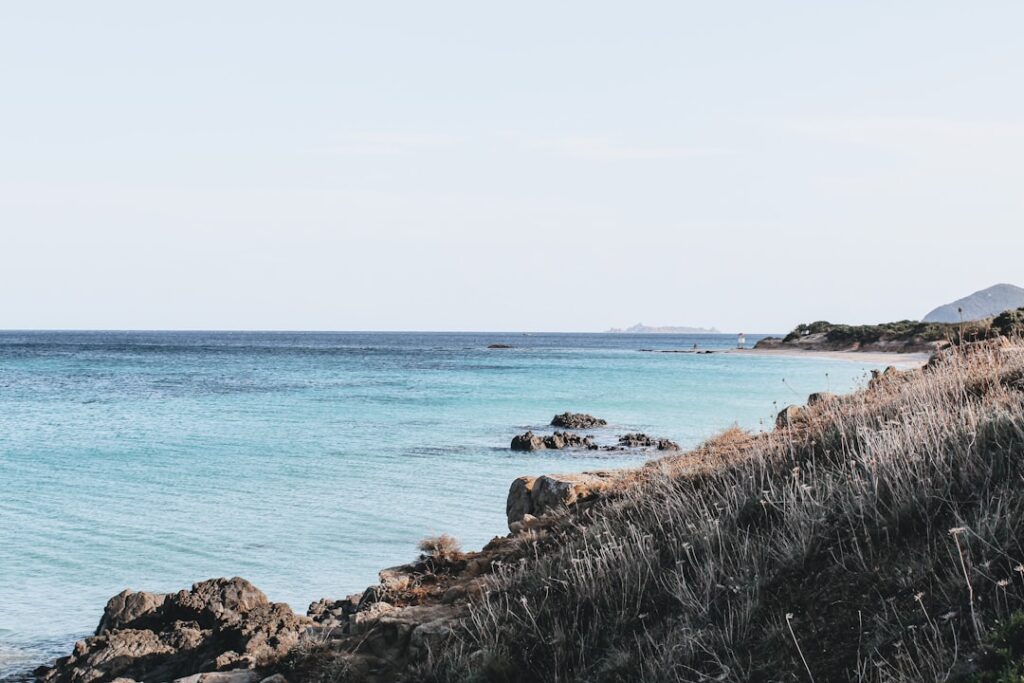
Sardinia’s landscape is defined by rolling hills, rugged coastlines, and vast open fields—the very terrain that makes it ideal for wind and solar installations also fuels local resistance. For generations, families have farmed the land, fished the waters, and preserved traditions passed down through centuries. The arrival of towering turbines and sprawling solar farms isn’t just a visual change—it’s seen as a disruption to a way of life.
Protesters in villages near proposed sites argue that developers bypassed local input, treating the island as a blank slate for national energy goals. In some cases, landowners discovered that their property had been earmarked for development through news reports, not direct consultation. That lack of transparency has deepened mistrust. Locals don’t oppose clean energy in principle. What they oppose is being excluded from decisions that directly affect them.
And it’s not just about aesthetics. There are concerns about noise pollution from wind turbines, the impact on tourism, and the long-term effects on agriculture and water usage. Some fear that once infrastructure is built, it will attract more projects, creating a cascade of development with no clear exit plan.
The Cost of Clean Energy
The cost of clean energy is a major concern for Sardinia’s residents. The Montiferru wind farm, for example, was estimated to cost €200 million, which is a significant burden for a small island with a struggling economy. The cost of energy storage, transmission, and distribution is also a major factor, with experts estimating that it could add up to 30% to the overall cost of the project.
That €200 million price tag covers turbines, installation, and grid integration—but not the social costs. When communities resist, projects stall. Delays mean higher financing costs, legal fees, and public relations efforts. In some cases, companies end up abandoning projects altogether after years of planning, wasting millions in the process.
Transmission is a particular challenge. Sardinia is connected to mainland Italy via undersea cables, but the infrastructure is aging and limited in capacity. Upgrading it requires coordination between regional authorities, the national grid operator Terna, and private developers. Each upgrade adds layers of cost and complexity. Energy that’s generated on the island can’t always be sent where it’s needed, and during peak production, excess power may go unused.
Energy storage remains a bottleneck. Batteries capable of storing large volumes of solar and wind power are expensive and still evolving. While lithium-ion systems are becoming more efficient, their lifespan, recycling challenges, and raw material sourcing raise environmental questions of their own. Alternatives like pumped hydro storage are geographically constrained. Without reliable storage, renewable energy remains intermittent—a fact critics point to when questioning the feasibility of all-renewable systems.
And then there’s the economic reality: Sardinia has one of the highest unemployment rates in Italy, particularly among young people. Residents want to know how these projects will create lasting jobs, not just temporary construction work. They’re asking whether profits will stay on the island or flow back to mainland corporations. The absence of clear answers fuels skepticism.
- The Montiferru wind farm was estimated to cost €200 million.
- The cost of energy storage, transmission, and distribution could add up to 30% to the overall cost of the project.
A Community-Driven Approach
The conflict over clean energy in Sardinia highlights the need for more inclusive and community-driven approaches to renewable energy development. According to experts, this approach would involve consulting with local residents and taking their concerns into account when planning and implementing renewable energy projects. This approach could help to build trust and ensure that the benefits of clean energy are shared fairly among all members of the community.
Community-driven models aren’t theoretical. Across Europe, towns have taken ownership of renewable projects, reaping financial and social rewards. In Denmark, wind cooperatives have allowed citizens to invest in and profit from turbines. In Germany, the *Energiewende* movement saw towns generate their own power, reducing reliance on centralized utilities. These examples show that when people have a stake—literal and figurative—they’re more likely to support change.
In Sardinia, a community-led model could take many forms. Local cooperatives could co-develop solar farms with private partners, retaining equity and decision-making power. Revenue from energy sales could fund public services—schools, clinics, broadband. Developers could be required to hire locally, source materials regionally, and reinvest a percentage of profits into community initiatives.
Some pilot projects are already exploring this path. In the village of Gesturi, a small solar installation powers municipal buildings and feeds surplus into the grid. The project was designed with input from residents, and profits are managed by a local committee. It’s modest in scale, but it’s built on trust. People see the benefits, and they feel heard.
Scaling these efforts requires policy support. Regional authorities could create incentives for community-owned projects, simplify permitting for locally backed initiatives, and establish clear rules for benefit-sharing. National energy targets shouldn’t override local autonomy—they should be achieved in partnership with communities, not in spite of them.
What This Means For You
The conflict over clean energy in Sardinia has implications for the global community. It highlights the need for more inclusive and community-driven approaches to renewable energy development, and the importance of considering the social and economic impacts of clean energy projects. As the world transitions to a low-carbon economy, it’s essential that we prioritize community-driven approaches to renewable energy development, and ensure that the benefits of clean energy are shared fairly among all members of the community.
For developers, this means starting conversations early—before permits are filed, before site plans are drawn. It means hiring local liaisons, holding open forums, and offering transparency about timelines, profits, and risks. A project that moves quickly on paper may stall in reality if it lacks social license. Those who invest in relationships upfront often save time and money down the line.
For founders building clean tech solutions, Sardinia’s resistance is a warning: technology alone isn’t enough. Even the most efficient solar panel won’t be welcomed if people feel excluded. Founders should design business models that include community ownership, profit-sharing, or local governance. Startups focused on energy storage or microgrids could partner with municipalities to create decentralized systems that give communities control over their power supply.
For builders—those constructing the physical infrastructure—this means rethinking timelines and engagement. Construction crews could include local workers trained through partnership programs. Equipment staging areas could prioritize underused industrial zones, not farmland. Noise and traffic impacts should be minimized, with clear communication about disruptions. A well-built project respects both engineering standards and human ones.
What’s Next?
The conflict over clean energy in Sardinia is far from over. As the island continues to grapple with the challenges of renewable energy development, it’s essential that we remain vigilant and prioritize community-driven approaches. By doing so, we can ensure that the benefits of clean energy are shared fairly among all members of the community, and that the island of Sardinia becomes a model for sustainable development around the world.
Several key questions remain unanswered. Will developers adapt their models to include local stakeholders, or will they push forward with top-down plans? Can regional authorities create policies that balance national energy goals with community rights? And how will Sardinians define success—a grid powered by renewables, or a future where energy projects strengthen, rather than strain, the social fabric?
Trials are underway. A new proposal for a hybrid solar-wind farm in the central plateau includes a clause requiring 30% local ownership. If approved, it could set a precedent. Environmental reviews are ongoing, and public hearings have been scheduled. The response will be telling.
Meanwhile, the clock is ticking. Italy has committed to reducing greenhouse gas emissions by 55% by 2030, and Sardinia will play a role. The island can’t opt out of the energy transition, but it can shape how that transition happens. The choice isn’t between development and no development—it’s between imposed development and shared development.
The answer to Fabrizio Pilo’s question—”Why are you here?”—is becoming clearer. I’m here because Sardinia’s struggle reflects a global dilemma: how to build a sustainable future without leaving people behind. The solutions won’t come from engineers alone, or politicians, or investors. They’ll come from all of them—sitting together, listening, and deciding what kind of future they want to build.
Sources: IEEE Spectrum, original report
Read also: Light for Interstellar Travel