




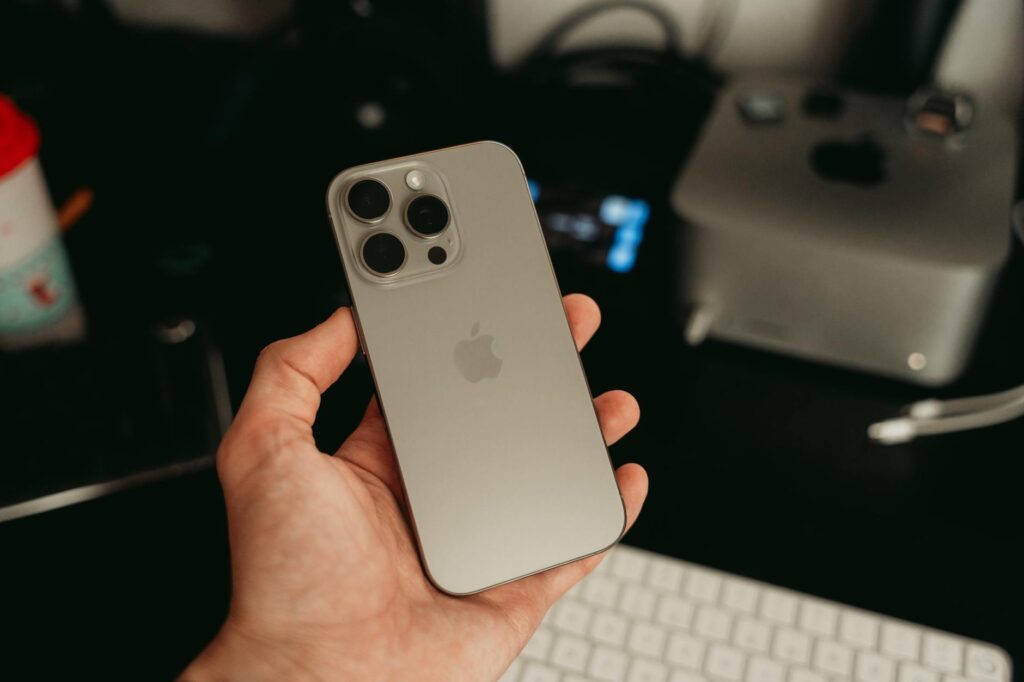
The dummy units that leaked on June 7 show an approximately 7.8-inch screen when unfolded, which is the first concrete glimpse we’ve had of the apple foldable iPhone layout. That’s a size that puts the inner display in the same ballpark as an iPad mini, and it’s already sparking debates among developers about how to adapt tablet‑centric apps for a phone that folds.
Key Takeaways
- The unfolded screen measures about 7.8 inches, while the cover display is around 5.5 inches.
- Front‑facing camera sits in the top‑left corner of the inner screen.
- Apple will likely replace Face ID with Touch ID on the side button.
- Color options may be limited to white, despite earlier reports of a black variant.
- The hinge is rumored to make the fold’s crease nearly invisible.
Apple Foldable iPhone: What the Dummy Units Reveal
We’ve been waiting for Apple to confirm whether it will brand the device as an iPhone Fold, iPhone Ultra, or something else, but the mockups give us enough clues to start planning. The outer display, at 5.5 inches, is comparable to today’s iPhone SE, meaning users won’t lose much screen real‑estate when the device is closed. That’s a design decision that keeps the phone pocketable while still delivering a sizable inner canvas.
Screen Real Estate and Form Factor
When you open the device, the inner screen stretches to about 7.8 inches, which is just shy of the 8‑inch mark that many Android foldables hit. The aspect ratio on the closed device is slightly shorter and squatter than modern iPhones, almost like a passport‑style form factor. Because of that, developers will need to think about how UI elements scale between the two displays without breaking the user experience.
That scaling challenge mirrors what developers faced when the iPad first arrived. The larger canvas forced many iPhone‑centric apps to redesign navigation, typography, and touch targets. The foldable will repeat that pattern, but with a twist: the same app must now support a compact 5.5‑inch screen and a near‑tablet screen in a single hardware envelope. Apple’s UI guidelines already address size classes, so teams that have built adaptive layouts will find a familiar foundation.
Camera Placement and Biometrics
The front‑facing camera is positioned in the top‑left corner of the inner display, a placement that could simplify selfie composition but might also affect how notch‑free apps render. On the rear side, the mockups show two external cameras paired with an internal one, suggesting a modest camera array rather than the multi‑lens rigs we see on the latest iPhone 17 Pro.
Apple isn’t planning to include Face ID on the foldable; instead, it will rely on Touch ID embedded in the side button for unlocking and Apple Pay. That’s a notable shift, because it means developers won’t have to support the depth‑sensor‑based authentication flow that’s become standard on recent iPhones.
Design Choices: Colors and Materials
According to Sonny Dickson’s analysis, the dummy units hint that the foldable might launch in white only, contrary to Bloomberg’s Mark Gurman, who said a black variant could also be available. Apple has a history of rolling out limited color palettes for new products, so a single‑color launch wouldn’t be surprising.
When the original iPhone and iPad debuted, they were only offered in one shade. It wasn’t until the iPhone 3G and iPad 2 that users got a choice between black and white. The iPhone X generation rolled out with just silver and space gray, and the iPhone 17 Pro now comes in three colors, down from four the year before. That pattern suggests Apple prefers to keep the initial lineup simple and add options later.
Software Implications: iOS 27 and App Ecosystem
iOS 27 is slated to be unveiled tomorrow, and it could give us hints about how Apple plans to handle foldable multitasking. If the OS can treat the inner screen like a tablet, developers will be able to bring iPad‑optimized apps to the foldable without major rewrites. That’s a potential advantage over Android foldables, where developers often have to maintain separate UI paths.
App Compatibility and Multitasking
The iPad app ecosystem is already vibrant, and Apple’s control over both hardware and software could mean a smooth transition for those apps onto the foldable. Because the inner display will be close in size to an iPad mini, we can expect existing split‑screen and slide‑over features to work out of the box.
Developers should start testing their apps on large‑screen iPhone simulators and think about how UI elements will adapt when the device folds. If Apple introduces a new “foldable mode” in iOS 27, it might expose new APIs for detecting the hinge state, which could open up fresh interaction patterns.
What This Means For You
If you’re building a SaaS product that relies on mobile‑first design, the foldable could let you offer a tablet‑like experience without asking users to buy a separate device. That’s a chance to increase engagement by using the extra real estate for richer dashboards or multitasking workflows.
On the security side, the shift to Touch ID means you’ll need to make sure your authentication flows support fingerprint‑based login, especially if you’re using Apple’s Passkeys. It also means you won’t have to worry about the extra hardware that Face ID requires, which could simplify device testing for your QA team.
Imagine a field‑service app that currently toggles between a compact view for on‑the‑go data entry and a larger view for detailed schematics. With a foldable, you could keep the data entry pane open on the cover screen while expanding the schematic on the inner display, all without forcing the user to switch apps.
A gaming studio could also benefit. Many mobile games already support controller input via Bluetooth. A foldable could let a player keep the game running on the inner screen while using the outer screen for inventory management or chat, creating a dual‑screen experience that feels more like a console.
Finally, content creators who publish newsletters or short‑form video might see higher completion rates. The larger inner canvas can accommodate longer captions or richer thumbnails, while the cover display still offers a quick glance. That duality could drive new design conventions across the ecosystem.
Historical Context: Apple’s Path to a Foldable
Apple has never announced a foldable before, but the company’s product cadence gives clues about how it might approach the form factor. The original iPhone arrived with a single, fixed screen, and the iPad followed a few years later, expanding the canvas in a straightforward way. Each new generation added incremental improvements—better processors, higher‑resolution panels, more cameras—while keeping the overall silhouette familiar.
When Apple first introduced color options for its phones, it did so sparingly. The iPhone 3G added a black option to the existing white, and the iPhone 5 C later expanded the palette dramatically. Those moves were always tied to a larger product launch, not a surprise drop. The current speculation that the foldable will start in white only mirrors that pattern: a clean, single‑color debut then a later rollout of additional shades.
The hinge design itself has a precedent in Apple’s industrial design language. The company’s laptops have long used a “unibody” approach where moving parts are concealed behind a smooth chassis. Rumors about an “invisible crease” suggest Apple will apply the same philosophy to the foldable, emphasizing durability and a premium feel.
Apple’s software history also informs how the foldable might behave. iOS 7 introduced size classes, a framework that let developers describe layouts for compact and regular screens. iPad OS later refined those classes for multitasking. The same mechanisms could be repurposed for the foldable, allowing an app to detect whether the device is folded or unfolded and adjust its UI accordingly.
Competitive Landscape
Android manufacturers have been shipping foldables for several years now. Those devices typically sit at the high‑end of the market, with premium pricing and a focus on novelty. The common thread among them is a larger outer display, often 6.5 inches or more, and an inner screen that pushes past the 8‑inch threshold. Apple’s decision to keep the outer screen at 5.5 inches therefore marks a strategic departure.
By opting for a smaller cover display, Apple may be targeting users who value pocketability as much as screen size. That choice could also make the device more comparable to existing iPhone models, easing the transition for developers who already support a range of iPhone dimensions. In practice, this means a foldable could sit alongside an iPhone 14 Pro in a consumer’s bag without adding bulk.
From a software standpoint, Android foldables often require developers to write separate “foldable‑aware” code paths. Apple’s tighter integration between hardware and iOS could reduce that burden. If iOS 27 introduces native foldable support, a single codebase might serve both the closed and opened states, giving Apple a competitive edge in developer adoption.
Key Questions Remaining
- Will iOS 27 include a public API for hinge detection, or will the system handle folding internally?
- How will battery life be impacted by the larger inner screen and the hinge mechanism?
- Will Apple eventually add a black color option, or will the white‑only launch remain the sole offering for the first year?
- Can developers rely on the Touch ID side button for secure authentication across all foldable use cases?
- What pricing tier will Apple target, and how will that affect early‑adopter willingness?
Only time will answer those questions, but the dummy units give us enough to start preparing our codebases for a new form factor.
Sources: 9to5Mac, Bloomberg