




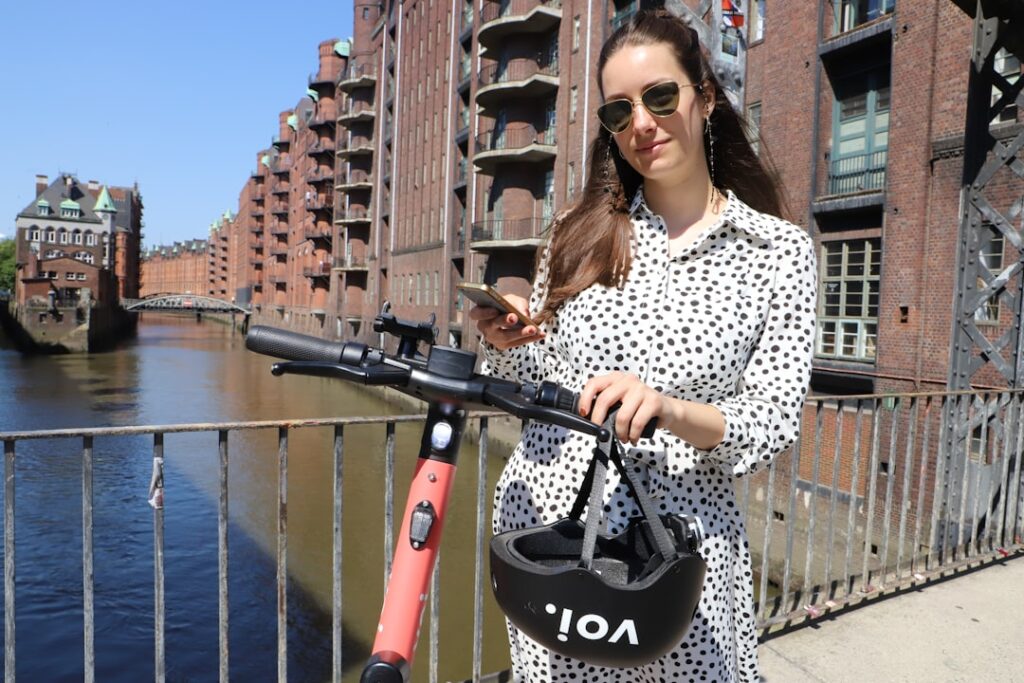
16 million dollars. That’s how much Andreessen Horowitz is leading into Pit, the new AI startup founded by the team behind Voi, the now-wound-down European e-scooter operator. The date: May 08, 2026. The location: Stockholm, a city no longer defined by music streaming or telephony, but increasingly by tightly built, capital-efficient AI ventures. This isn’t a comeback story. It’s a pivot—fast, deliberate, and backed by one of Silicon Valley’s most aggressive early-stage investors.
Key Takeaways
- Pit is a new AI startup founded by former Voi co-founders, headquartered in Stockholm.
- Andreessen Horowitz (a16z) is leading a $16 million seed round, a rare size for seed funding in Europe.
- The company has not publicly detailed its product, but signals point toward autonomous AI agents for business operations.
- Stockholm’s tech ecosystem is regenerating—this time focused on AI, not hardware or mobility.
- The Voi founders are shifting from physical infrastructure to fully digital systems with higher margins and global scalability.
The Hardware Hangover Is Over
Remember Voi? You probably don’t. The Swedish scooter startup once operated in over 100 cities across Europe. It raised north of $200 million. Then came the crashes—regulatory, financial, operational. By late 2023, it was restructuring. By 2024, it had shuttered most of its fleet operations. The dream of micromobility died under the weight of broken bikes, angry city councils, and razor-thin unit economics.
But the founders—Adam Jaques, Filip Åkerman, and Christian Sinding—didn’t vanish. They watched the rise of LLMs. They saw how agents could make decisions, execute tasks, and interface with software environments—no helmets, no parking tickets, no municipal permits required. The shift from scooters to software wasn’t a retreat. It was an upgrade.
Hardware is hard. Inventory rots. Cities regulate. Maintenance eats margins. But code? Code scales. Code doesn’t need charging stations or storage yards. Code can be deployed globally in seconds. And if it’s autonomous AI, it can keep working while you sleep.
a16z Doesn’t Bet on Ghosts
Andreessen Horowitz doesn’t lead $16 million seed rounds into vaporware. They don’t back failed mobility founders out of pity. That’s not how they operate. When Martin Casado’s team at a16z invests at this stage, it’s because they’ve seen a prototype, a technical moat, or a market inflection point most others haven’t.
And they’re not alone. While a16z is the lead investor, sources confirm participation from several European angels with deep enterprise software experience—though names haven’t been disclosed in the original report. This isn’t a founder fan club. It’s a calculated bet on a new kind of operational AI—one that doesn’t just answer questions but executes decisions.
What Autonomous AI Actually Means in Practice
Let’s cut through the noise. “Autonomous AI” isn’t Skynet. It’s not even a robot walking down a street. In 2026, it means software agents that:
- Parse unstructured inputs (emails, Slack messages, documents)
- Decide on actions without human approval, based on policy guardrails
- Call internal APIs, update CRMs, trigger workflows
- Fail gracefully, log decisions, and allow rollback
- Learn from feedback loops, not just static training data
That last point is critical. Pit isn’t building chatbots. They’re building systems that do work. Think: an AI procurement officer that reorders supplies when inventory dips, negotiates with vendors via email, and flags anomalies—all without a human clicking “approve.”
Stockholm’s Second Act
Klarna. Spotify. Mojang. These were Stockholm’s first-gen tech exports—consumer-facing, design-led, and global from day one. But they were outliers. The city’s broader ecosystem struggled to replicate that success beyond fintech and gaming.
Now, something’s changed. The talent pipeline has matured. Engineers who worked at Klarna’s AI teams, Spotify’s recommendation engines, and King’s live-ops systems are spinning out. They’re not chasing viral apps. They’re building deep tech—especially in AI infrastructure and agent workflows.
Pit is emblematic of this shift. It’s not trying to go viral on TikTok. It’s not raising $100 million to blitzscale into 20 markets. It’s building quietly, technically, with a focus on reliability and enterprise adoption. And it’s doing so in a city where rent is lower than San Francisco, talent is dense, and founders now have hard-won operational discipline from the startup winters of 2022–2024.
The Quiet Advantage of Failed Founders
There’s something underrated about founders who’ve burned through cash and crashed a hardware fleet. They’ve lived through supply chain meltdowns. They’ve negotiated with city regulators who don’t care about your burn rate. They’ve handled PR disasters when scooters clog sidewalks or catch fire.
Those scars translate. When you’ve managed a fleet of 20,000 scooters, you understand logistics, edge cases, and system failures in a way most AI founders don’t. Pit’s team isn’t theorizing about real-world deployment. They’ve been in the mud.
And that matters now. Because autonomous AI isn’t just a prompt in a notebook. It’s software that acts. And when it acts wrong—when it approves a fraudulent invoice or cancels a critical shipment—the fallout isn’t just reputational. It’s financial. It’s legal. It’s operational.
Autonomous AI requires rollback compliance. It needs audit trails. It needs human-in-the-loop overrides. It needs to work across time zones, languages, and legacy systems. That’s not a technical footnote. It’s the product.
Regulatory Challenges Lie Ahead
The shift to autonomous AI means a significant change in how regulators approach AI development. The EU AI Act, aimed at ensuring trustworthiness and safety in AI systems, is set to take effect in 2027. This will likely impact the development of AI agents, as they will need to comply with the Act’s regulations. the US Federal Trade Commission (FTC) has been actively exploring AI regulations, with a focus on preventing unfair or deceptive practices in AI-driven business decisions.
The regulatory landscape for AI is complex and changing. Pit will need to navigate these challenges as it builds its autonomous AI agents. This includes ensuring transparency in AI decision-making, implementing strong auditing mechanisms, and providing users with clear explanations of AI-driven actions. By doing so, Pit can establish trust with regulators, users, and customers, while also ensuring compliance with relevant regulations.
What This Means For You
If you’re a developer building agent frameworks, Pit’s emergence signals a shift: the market isn’t just asking for smarter models. It’s demanding tighter operational controls, compliance-ready logging, and integration with existing business systems. You’ll need to prioritize deterministic behavior over creative output. Your agents can’t hallucinate procurement policies. They need to know when to stop and escalate.
For founders: the era of raising big on vision alone is narrowing. a16z’s move into Stockholm isn’t just about talent. It’s about finding teams with execution scars and capital discipline. If you’re spinning out of a failed startup, don’t hide it. Weaponize it. The best AI companies of the next five years won’t be founded by fresh PhDs. They’ll be built by people who’ve already broken something real.
So here’s the real question: when your AI agent makes a $50,000 mistake, who’s liable? Pit’s founders know the answer can’t be “the model decided.” That’s not how cities regulate scooters. And it won’t be how enterprises adopt AI.
Key Questions Remaining
While Pit’s emergence signals a significant shift in the AI landscape, several questions remain unanswered. For instance, how will Pit’s autonomous AI agents handle edge cases, such as conflicting policies or incomplete data? How will they ensure transparency and explainability in AI-driven decisions? And what role will human oversight play in the development and deployment of these agents?
As Pit navigates these challenges, it will be essential to address these questions and ensure that its AI agents are trustworthy, reliable, and compliant with relevant regulations. By doing so, Pit can establish itself as a leader in the AI space and drive the development of more responsible AI practices.
Conclusion
The emergence of Pit, backed by a16z, signals a significant shift in the AI landscape. With its focus on autonomous AI agents for business operations, Pit is poised to drive the development of more responsible AI practices. As the startup navigates regulatory challenges and addresses key questions, it will be essential to prioritize deterministic behavior, compliance-ready logging, and integration with existing business systems.
Autonomous AI is no longer a pipe dream. It’s a reality that requires careful consideration, rigorous testing, and transparent development. By embracing these challenges, Pit can establish itself as a leader in the AI space and drive the development of more responsible AI practices.
Sources: TechCrunch, Financial Times