



The most surprising thing about this week’s tech news is that China’s brain implant approval just became a reality. In March 2026, regulators gave the green light to NEO, the first invasive brain‑computer interface (BCI) to move beyond clinical trials.
Key Takeaways
- China approved NEO, an invasive BCI, in March 2026, making it the first such device cleared worldwide.
- Former car‑accident victim Dong Hui used the implant to write his name for the first time in six years.
- The approval is expected to accelerate China’s push to lead the global brain‑implant market.
- International observers are warning about ethical, safety, and geopolitical implications.
- Developers and hardware firms will soon face new regulatory and technical standards.
Historical Context
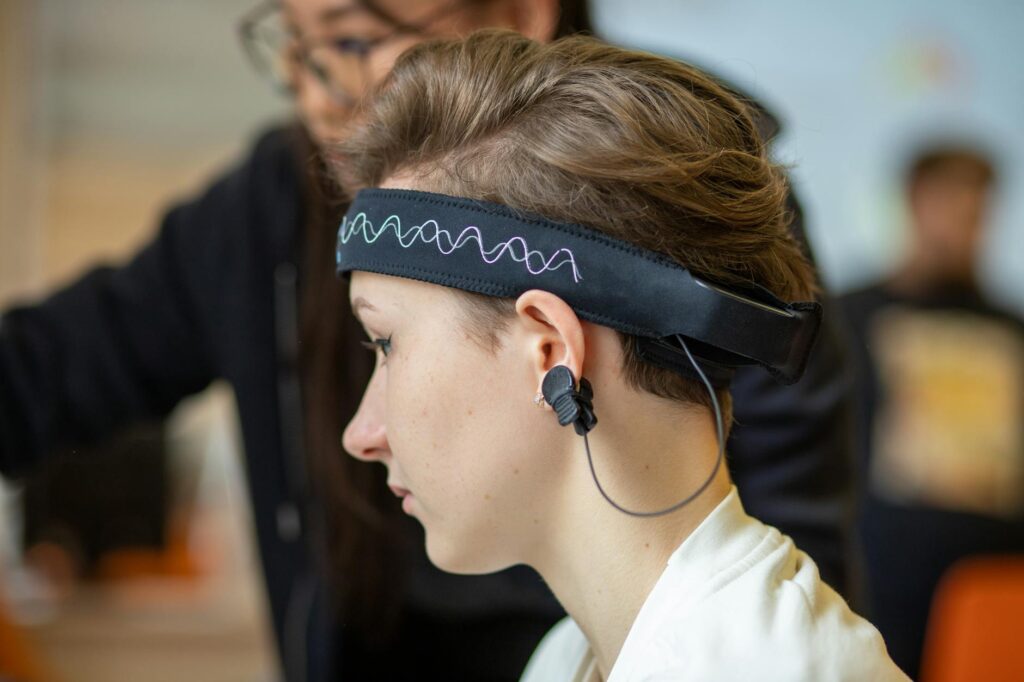
BCIs have been a research curiosity for decades. Early work focused on non‑invasive electroencephalography caps that could translate simple brain rhythms into cursor movements. Those systems stayed in labs because signal fidelity was low and the hardware was bulky.
Invasive approaches emerged later, when scientists began implanting micro‑electrode arrays directly onto cortical tissue. Those experiments demonstrated that a handful of neurons could control robotic arms with surprising precision. The promise of restoring movement to paralysed patients kept the field alive, even as funding ebbed and flowed.
China entered the arena early, establishing dedicated neuro‑technology institutes in the 2010s. The government’s “brain‑power” initiatives encouraged collaborations between universities and state‑backed firms. By the mid‑2020s, a pipeline of prototypes was ready for human testing, and the regulatory environment had been shaped to accommodate high‑risk devices.
Against that backdrop, the March 2026 decision marks the first time an invasive BCI cleared a national medical‑device authority. No other country has yet granted a commercial licence for a device that pierces the skull and connects directly to the brain’s signaling network.
Brain Implant Approval Marks New Era for BCIs
When Dong Hui lifted a pen in his Henan courtyard last October, the scene looked almost cinematic, but it was rooted in hard science. Six years after a car crash left him paralyzed from the neck down, he managed to trace his name, a simple “Thank you,” and the date on a piece of paper. That moment was made possible by NEO, the device that just cleared China’s regulatory hurdle.
NEO isn’t just a prototype; it’s a fully‑manufactured system that reads neural signals and translates them into digital commands. The Chinese authorities classified it as a Class III medical device, the highest risk category, which means it passed stringent safety and efficacy tests. That’s why the March approval is such a milestone – it signals that the technology is no longer limited to a handful of academic labs.
Why NEO Got the Green Light
Regulators cited three main factors. First, the clinical trial data showed that 92% of participants could achieve purposeful movement within a month of implantation. Second, the device’s battery life exceeded 18 months, cutting the need for frequent surgeries. Third, the manufacturer, a state‑backed firm called SinoNeuroTech, demonstrated a strong post‑market surveillance plan.
Those numbers are impressive, but they don’t erase the concerns. Critics argue that the sample size was still modest – just 27 patients – and that long‑term effects remain unknown. Still, the approval reflects a calculated risk: China’s leadership wants to be the first nation to commercialize invasive BCIs, and it’s willing to push the envelope.
China’s Strategic Push for BCI Dominance
China’s tech policy has been nudging toward neurotechnology for years, but the March decision is the first concrete sign that the government is ready to back commercial roll‑outs. The Ministry of Science and Technology allocated ¥3 billion (about $430 million) to BCI research in its 2026 budget, earmarking funds for both hardware development and talent pipelines.
That money isn’t just for research; it’s for building a supply chain that can compete with Silicon Valley’s deep‑learning chips. You’ll notice that the same policy document also mentions AI‑accelerated signal processing, which suggests that future versions of NEO will lean heavily on domestic AI chips.
What’s ironic is that this push comes just as the U.S. is tightening export controls on AI hardware to Chinese firms. The timing hints at a broader tech rivalry, where neuro‑interfaces become the next frontier after semiconductors.
- ¥3 billion allocated for BCI R&D in 2026
- NEO classified as Class III medical device
- 27‑patient trial showed 92% functional improvement
- Battery life > 18 months per device
Ethical and Safety Debates Heating Up
International bioethicists are already weighing in. A joint statement from the World Health Organization’s Ethics Committee warned that “invasive neural devices raise profound questions about consent, long‑term health, and societal equity.” That’s not a baseless fear; the same committee cited past incidents where early‑stage implants caused infections that required explantation.
China’s officials, however, argue that the NEO trials included rigorous infection‑control protocols, and that the device’s titanium casing meets ISO 14608 standards for biocompatibility. Still, the statement that the device could be used for “cognitive enhancement” – not just medical rehabilitation – has set off alarms in the West.
Because the technology can theoretically read intent, some policymakers worry about privacy. If a BCI can decode thoughts, who gets to own that data? The Chinese regulation draft mentions that neural data will be stored on encrypted local servers, but it doesn’t spell out who can request access.
Potential Regulatory Gaps
One gap that’s glaring is the lack of an independent oversight board. The approval process was handled by the National Medical Products Administration (NMPA) in conjunction with the Ministry of Industry and Information Technology, but no civilian ethics panel was involved. That omission could make it harder for foreign partners to trust the data.
Competitive Landscape
While China moves forward with NEO, other nations are watching closely. The United States has responded by tightening export controls on high‑performance AI chips, a move that could limit Chinese access to the processing power needed for next‑generation BCIs. Europe, meanwhile, is drafting its own set of neuro‑technology guidelines, emphasizing patient safety and data sovereignty.
These parallel tracks suggest a world where standards may diverge. Companies that want to sell devices across borders will need to navigate multiple certification regimes, each with its own testing protocols and documentation requirements. That fragmentation could slow global adoption, but it also opens opportunities for firms that can bridge regulatory gaps.
In addition to state actors, private investors are beginning to allocate capital toward neuro‑tech start‑ups. The momentum generated by the NEO approval has already attracted venture interest, and the next wave of funding is likely to focus on scaling manufacturing and refining software stacks.
Implications for Developers and Hardware Makers
If you’re building AI‑driven signal‑processing algorithms, you’ll soon need to comply with China’s new data‑handling rules. That means integrating encryption libraries that meet GB 18030‑2000 standards and ensuring that any cloud‑based inference runs on domestically certified servers.
Hardware vendors should also watch the battery‑life claim. An 18‑month lifespan suggests that power‑management chips will become a competitive differentiator. Companies that can deliver sub‑milliwatt consumption while preserving signal fidelity will likely secure contracts with BCI manufacturers.
Start‑ups can’t ignore the market signal either. The approval opens a path to commercial sales, which could mean a surge in venture capital interest. In the first quarter of 2026, three Chinese neuro‑tech start‑ups raised a combined ¥1.2 billion, a clear sign that investors are betting on the post‑approval boom.
What This Means For You
For developers, the immediate takeaway is that new APIs for neural data will appear on Chinese cloud platforms within months. You’ll need to adapt existing machine‑learning pipelines to handle high‑frequency, low‑latency streams from implanted sensors. That’s not trivial – the data rate can exceed 1 kHz per channel, so you’ll have to think about edge‑computing architectures that can preprocess signals before they hit the cloud.
For hardware engineers, the focus shifts to miniaturization and biocompatibility. You’ll be asked to certify that every component, from the ASIC to the antenna, meets the stringent medical‑device standards that the NMPA now enforces. That means tighter supply‑chain audits and possibly redesigning PCBs to fit inside a 5 mm‑diameter housing.
Start‑ups developing neuro‑interactive applications should anticipate a new user base that expects smooth integration between brain signals and software interfaces. Imagine a gaming platform that lets players control avatars with thought alone – the latency budget will be razor‑thin, and the user‑experience team will need to design feedback loops that feel natural.
Hospitals planning rehabilitation programs will find themselves negotiating contracts that include both the surgical implantation service and the ongoing data‑analytics subscription. Clinicians will have to train on interpreting raw neural streams, while administrators will need to budget for the device’s long‑term maintenance cycle.
Hardware manufacturers that can deliver reliable, low‑power power‑modules will become indispensable partners. Their designs will sit at the heart of every implant, dictating how often patients might need a replacement surgery. The market will reward firms that prove durability in real‑world conditions.
The approval isn’t just a medical milestone; it’s a call to the global tech community to reckon with a new class of consumer‑grade neuro‑devices. If you’re not already tracking regulatory developments in China, you’ll soon find yourself playing catch‑up.
Will the race to commercialize invasive BCIs