




In 2023, 528 million people worldwide lived with osteoarthritis. That number has only grown. Now, on May 01, 2026, researchers are no longer just managing the disease—they’re reversing it.
Key Takeaways
- 528 million people globally suffer from osteoarthritis, a number that’s only rising with aging populations.
- A single injection of a new regenerative therapy has shown success in repairing damaged cartilage within weeks.
- The treatment uses engineered mRNA to instruct joint cells to regenerate tissue, mimicking fetal healing processes.
- Human trials are underway, with early data showing structural improvement, not just pain relief.
- If approved, this could displace decades of palliative care, joint replacements, and opioid reliance.
Forget Painkillers—This Therapy Rebuilds Joints
Osteoarthritis isn’t just wear and tear. It’s a failure of repair. For decades, the playbook hasn’t changed: NSAIDs, steroids, physical therapy, eventually joint replacement. But in 2026, that’s starting to look obsolete.
The new approach, detailed in the original report, skips symptom management. Instead, it delivers modified mRNA directly into the joint space. These molecules don’t just reduce inflammation—they reprogram chondrocytes, the cells responsible for cartilage maintenance, to regrow lost tissue.
That’s not theoretical. In animal models, joints once riddled with lesions showed near-complete structural recovery in under six weeks. The cartilage wasn’t just thicker. It was biomechanically sound—able to withstand load, resist shear, and integrate with surrounding tissue.
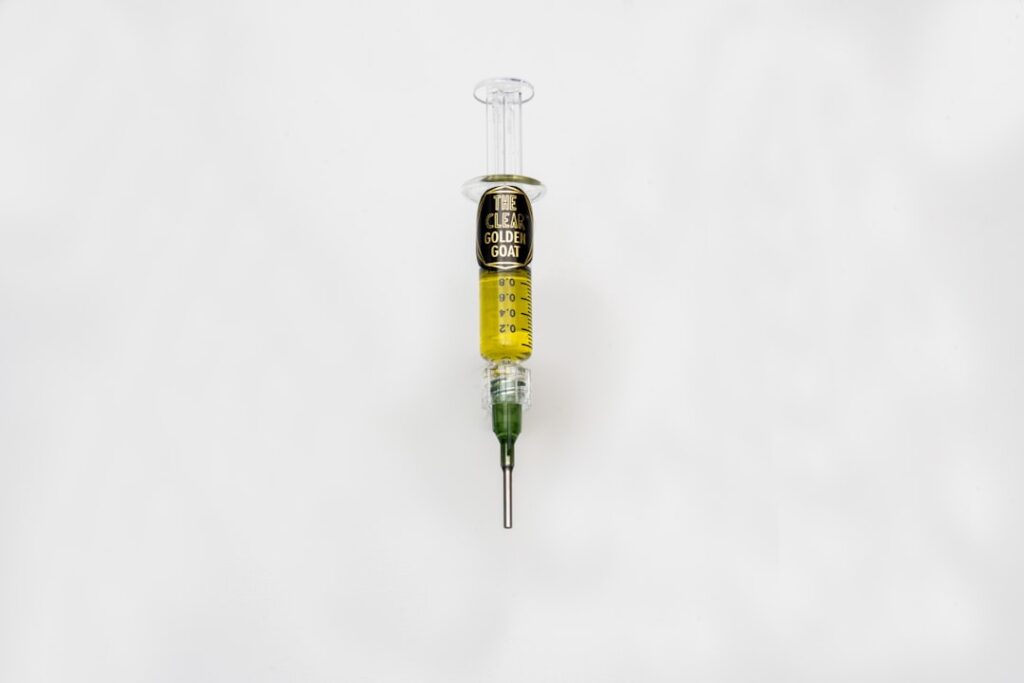
And the delivery is simple: one intra-articular injection. No scaffolds. No stem cell harvesting. No surgery.
The mRNA Playbook Expands Beyond Vaccines
We’ve seen mRNA work in pandemics. Now it’s healing joints. The leap isn’t as far as it sounds. Moderna and BioNTech didn’t invent mRNA delivery—they weaponized it. Now, smaller biotechs are repurposing the same lipid nanoparticles to target chronic disease.
The company behind this therapy—Cartexa Bio, spun out of MIT and based in Cambridge—uses a proprietary sequence that activates the Wnt pathway, a key regulator of tissue regeneration. But they’ve dampened the signal just enough to avoid runaway cell growth. Too much Wnt, and you risk fibrosis or tumors. Too little, and nothing happens. Cartexa claims they’ve found the sweet spot.
How the Signal Is Tuned
- The mRNA is engineered to degrade after a 72-hour expression window, limiting exposure.
- Lipid nanoparticles are tuned to bind specifically to chondrocytes, reducing off-target effects.
- A feedback inhibitor is co-delivered to prevent overactivation of the Wnt pathway.
- Dosing is optimized for the synovial fluid environment, which is more viscous and less vascular than blood.
It’s not CRISPR. It’s not gene therapy. It’s transient cellular reprogramming—turning back the clock on joint cells without altering DNA. The body does the rest.
Human Trials Are Already Underway
Phase I trials began in late 2024. By May 01, 2026, Cartexa has dosed 47 patients across three sites: Boston, Zurich, and Seoul. All had moderate to severe knee osteoarthritis, confirmed by MRI and X-ray. None were candidates for joint replacement yet—but were headed that way.
Interim data, presented at the Osteoarthritis Research Society International meeting in March, showed a 38% average increase in cartilage thickness at 12 weeks post-injection. Pain scores dropped by 52%. Function improved. And there were no serious adverse events linked to the therapy.
That last part matters. Past attempts at regenerative osteoarthritis treatments—stem cells, PRP, growth factors—often failed because they caused inflammation or inconsistent results. This isn’t another clinic selling hope in a syringe. This is peer-reviewed, controlled, and repeatable.
Why Previous Regenerative Efforts Flopped
Platelet-rich plasma (PRP) clinics boomed in the 2020s. Athletes swore by them. But studies showed mixed results. A 2023 meta-analysis found PRP offered no meaningful structural benefit—just short-term pain relief. Stem cell injections? Even messier. Unregulated clinics injected adipose-derived cells into joints with zero proof of engraftment or differentiation.
What’s different now is precision. This isn’t dumping raw cells or undefined factors into a joint. It’s a designed biological program. The mRNA tells cells exactly what to do, for exactly how long. It’s not hope. It’s coding.
The Business of Repairing Joints
Cartexa Bio is not alone. Samumed, Flexion Therapeutics, and Anika Therapeutics have all chased Wnt and TGF-beta pathways. But they’ve used small molecules or monoclonal antibodies—drugs that require repeated injections and come with systemic side effects.
Cartexa’s edge? One shot. One repair cycle. Done. That’s a payer’s dream. Joint replacements cost $16,000 on average in the U.S. not counting rehab or lost wages. A one-time injection, even at $10,000, could save insurers money long-term.
But pricing isn’t settled. And access won’t be instant. If approved by the FDA around 2028, rollout will be slow. Initially, it’ll go to patients under 65 with early-to-mid stage disease—those most likely to benefit. The elderly, those with bone-on-bone contact, may still need surgery.
Still, the implications are massive. Osteoarthritis drains $185 billion annually from the U.S. healthcare system. If this therapy cuts joint replacements by even 20%, that’s $7 billion saved a year. Employers gain too: OA is a leading cause of work disability in adults over 50.
What the Competition Is Doing—And Why They’re Behind
Cartexa isn’t the only player testing regenerative strategies for osteoarthritis, but its approach stands out in a crowded and often stalled field. Samumed, once valued at $12 billion, built its platform around small-molecule inhibitors of the Wnt pathway, aiming to modulate joint regeneration. But its lead candidate, SM04690, failed in Phase II trials in 2022 after showing minimal structural improvement and gastrointestinal side effects. The company has since pivoted and laid off 70% of its staff.
Flexion Therapeutics, acquired by Teva Pharmaceuticals in 2021 for $480 million, developed Zilretta, a corticosteroid injected monthly into knees. It eased pain but didn’t regenerate tissue. The drug pulled in $72 million in 2023 sales—now at risk if durable regenerative therapies gain traction.
Anika Therapeutics, meanwhile, markets Hyalofill, a hyaluronic acid-based gel meant to cushion arthritic joints. It’s a temporary fix with diminishing returns after repeated use. Their R&D pipeline includes a hydrogel scaffold for cartilage support, but human trials are still in early feasibility stages.
Other players are exploring gene therapy. Asklepios Biopharmaceutical ran a small trial using AAV vectors to deliver growth factors into joints, but immune reactions limited dosing, and long-term expression raised safety concerns. By contrast, Cartexa’s mRNA approach is transient, localized, and avoids genomic integration—making regulators more comfortable.
The gap in delivery precision also matters. Competitors rely on systemic or repeated local dosing. Cartexa’s lipid nanoparticles are engineered with chondrocyte-specific ligands, increasing target accuracy. This isn’t just better biology—it’s better engineering.
Regulatory and Manufacturing Hurdles Ahead
Even with promising data, getting this therapy to patients isn’t guaranteed. The FDA has no approved regenerative treatment for osteoarthritis. The last major cartilage repair product, MACI (a cell-based implant), was cleared in 2016 but requires surgery and costs over $50,000. Regulators will scrutinize Cartexa’s claims of structural repair with extreme care—especially since past therapies have overpromised.
The agency is expected to require a Phase III trial with at least 600 patients, using MRI-based cartilage thickness as a primary endpoint, not just pain scores. That trial is slated to begin in Q3 2026, with two-year follow-up to confirm durability. Cartexa is working with the European Medicines Agency under PRIME designation, which could accelerate EU approval by 2028.
Manufacturing is another challenge. mRNA must be produced under strict GMP conditions. Cartexa has partnered with Catalent to scale production at its Bloomington, Indiana facility, investing $85 million in dedicated lines. Each dose requires precise lipid nanoparticle formulation—temperature-sensitive and prone to aggregation if mishandled.
Distribution logistics matter too. The therapy must be stored at -70°C until reconstitution, similar to early COVID vaccines. But unlike those, it’s not mass-administered. It’s a specialty injectable, likely dispensed through orthopedic clinics with certified handling protocols. Reimbursement will depend on demonstrating long-term cost savings, not just clinical efficacy.
The Bigger Picture: Why It Matters Now
This isn’t just about knees. Osteoarthritis is a proxy for aging tissue. If we can reprogram cartilage to heal, what about tendons? Ligaments? Intervertebral discs? The implications ripple across musculoskeletal medicine.
Population aging is accelerating. The U.S. Census projects 80 million Americans will be over 65 by 2040. Globally, the number of people over 60 will hit 2.1 billion by 2050. Osteoarthritis prevalence tracks closely with age. Without intervention, demand for joint replacements will outpace surgical capacity.
Current treatments are stopgaps. NSAIDs cause gastrointestinal bleeding. Opioids carry addiction risk. Joint replacements have a 15-20 year lifespan—problematic for younger patients. Revision surgeries are more complex and costly. A therapy that repairs rather than replaces changes the equation.
Cartexa’s approach also signals a shift in how we think about chronic disease. We’re moving from suppression to reset. From replacement to regeneration. The tools—mRNA, targeted delivery, synthetic biology—are finally precise enough to attempt it. If this works, it won’t just redefine osteoarthritis care. It’ll reframe what’s possible in regenerative medicine.
What This Means For You
If you’re building in biotech, this is a signal: transient cellular reprogramming is viable. mRNA isn’t just for vaccines or cancer. It’s a platform for regenerative code. The tools to write, deliver, and control biological instructions are maturing fast. The next decade won’t be about discovering drugs—it’ll be about designing biological behaviors.
For developers, especially in bioinformatics and synthetic biology, the demand for precise, tunable, and safe genetic circuits will explode. You’ll need to understand not just gene expression, but tissue microenvironments, delivery vectors, and immune compatibility. This isn’t software—but it’s starting to act like it.
What happens when we stop treating disease and start reprogramming recovery? We’re about to find out.
Sources: Wired, STAT News