





The USB Drop That Broke Cybersecurity
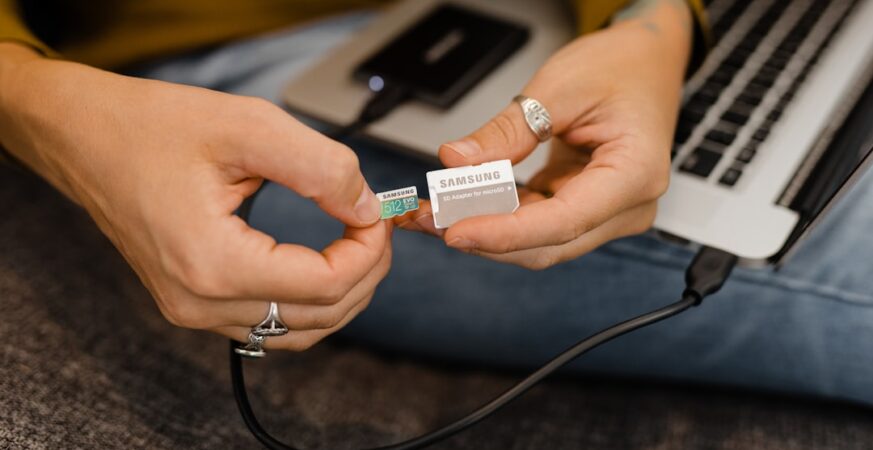
In 2006, Steve Stasiukonis scattered infected USB drives. The results went viral—and exposed a flaw no patch can fix. It’s still true today. .
A new report reveals that while smartphone usage has increased, users are investing less in their security, opting for free tools like Microsoft Defender or Apple XProtect instead of paid antivirus software.
The UC Berkeley Center for Long-Term Cybersecurity (CLTC) offers tools and support to schools, local governments, and non-profits as they defend against a growing volume of cyberattacks.
The JDownloader website was compromised on May 05, 2026, serving malicious installers containing a Python-based remote access trojan. Full analysis of the attack and implications for developers. Read more.
RansomHouse claims access to Trellix internal services, raising serious cybersecurity concerns.
The FCC allows manufacturers to provide updates until 2029, despite being banned in the US.
Ivanti’s Endpoint Manager Mobile (EPMM) vulnerability puts users at risk of remote code execution.
The European Union has launched an age verification app, prompting concerns among cybersecurity experts that VPNs will be restricted.
Experts say cyber threats have been lurking in the shadows, and Anthropic’s Mythos AI tool has brought them to the forefront.
The Department of War has created a website about Unidentified Aerial Phenomena (UAP), but it’s more about bureaucratic paperwork than extraterrestrial encounters.