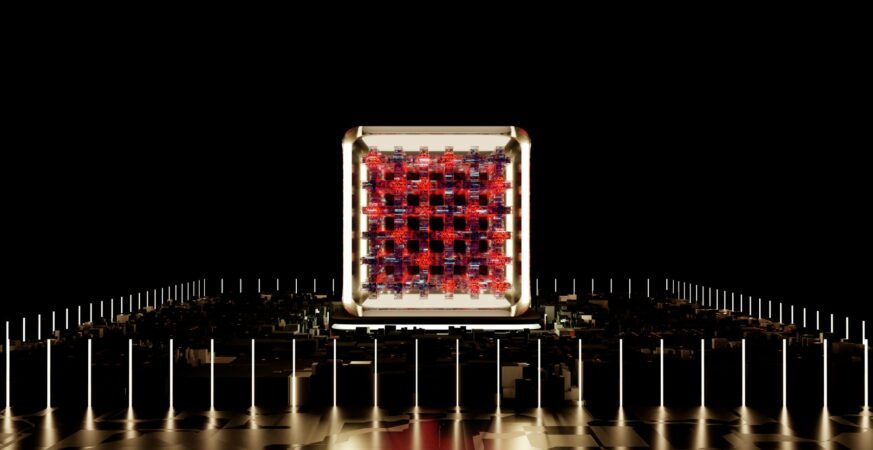





7,000 GPUs Simulate Quantum Chip in Full Detail
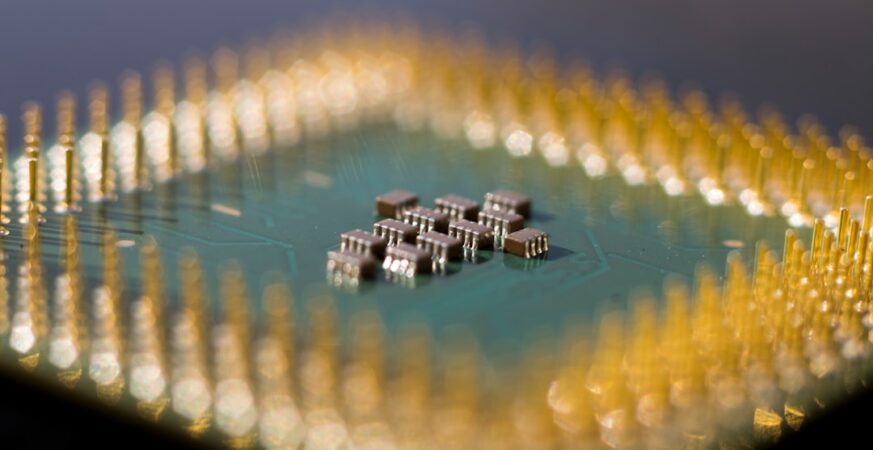
Researchers used nearly 7,000 GPUs to simulate a quantum chip’s physical behavior at unprecedented resolution—before fabrication. A leap in quantum engineering.
Physicists turn glass into a quantum communication device that resists quantum attacks. Speed, stability, and on-chip encryption—April 2026 breakthrough. Details inside.
On May 01, 2026, researchers reveal exotic oscillation states in magnetic whirlpools using minimal energy. A shift in spin dynamics could bridge classical and quantum systems. A surprise in nanomagnetism with real engineering stakes.
A new study reveals quantum circuits lose earlier computations to noise—only the final layers matter. This limits what today’s machines can achieve. April 29, 2026.
Scientists have developed a method to monitor quantum data decay over 100 times faster than before, enabling real-time fixes for quantum computing instability. A pivotal step toward practical systems.
NIST warns quantum computers may crack current encryption within five years. Developers must act now to secure systems. The clock is ticking.
The day quantum computers break encryption is approaching. Experts warn the world isn’t ready — and the clock is ticking. Systems built decades ago won’t survive.
On April 27, 2026, a new method combining quantum computing and AI outperforms classical models in forecasting chaotic systems—using far less memory. Implications span climate, energy, and medicine. Details here.
New analysis suggests quantum computers may soon accelerate machine learning — a shift years in the making. Here’s what’s changed by April 27, 2026.
NIST’s post-quantum cryptography standards advance as RSA and ECC face quantum threat by 2026. Developers must act now. Period.