
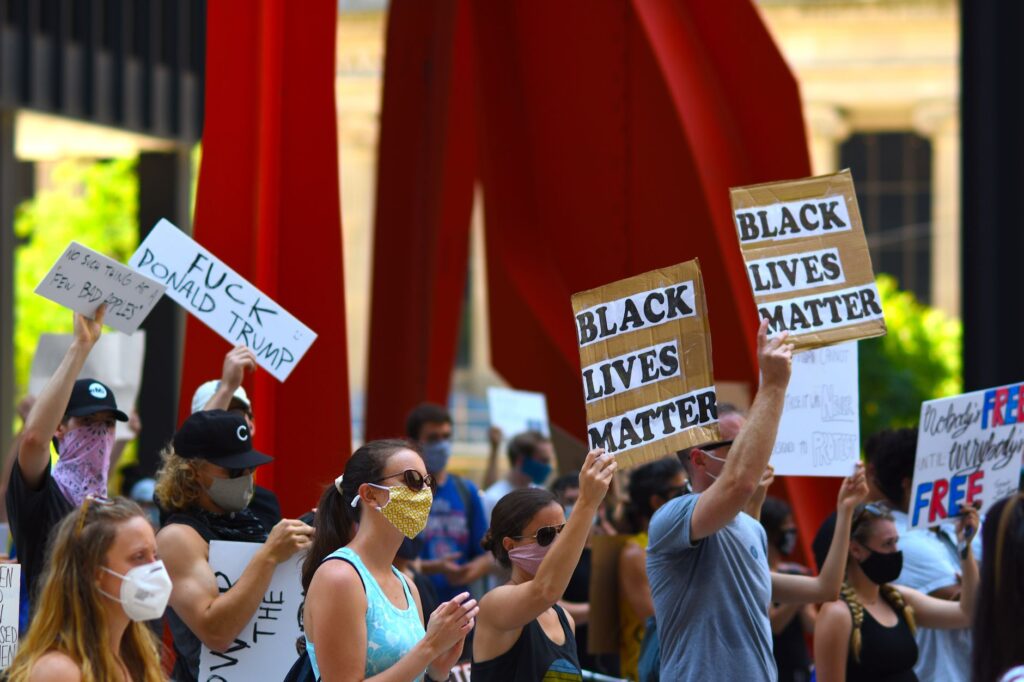

Hundreds of Bethesda Game Studios and Zenimax Online Studios employees gathered in front of Zenimax’s headquarters on July 16, 2026, staging an Xbox layoffs protest that turned a scorching 100°F day into a flashpoint for labor unrest. The lunchtime rally, organized by Zenimax Workers United and the Communication Workers of America, drew supporters from Texas, California, and Montreal, all converging to amplify a single message: Microsoft must return to the bargaining table.
Key Takeaways
- Hundreds of Bethesda staff rallied in Rockville, Maryland, amid near‑100°F heat.
- Union organizers demand Microsoft resume contract talks with remaining uncontracted staff.
- Last year’s QA tester agreement secured guaranteed severance for laid‑off employees.
- Union leaders warned Microsoft they could meet “in the street” if talks don’t resume.
- The protest is one of five coordinated actions across North America on the same day.
Xbox layoffs protest heats up at Bethesda HQ
It wasn’t just the temperature that was rising. Workers hoisted signs reading “Layoffs… layoffs never change” and “Our players deserve better,” while a chorus of songs filled the air. Nathan Hahn, a technical producer at Bethesda and a union volunteer, told original report, “It’s about us building our movement and making sure that we get seen and we’re visible.” He added that the rally was a direct challenge to Microsoft’s recent job cuts.
The gathering wasn’t a spontaneous outburst. Over the past twelve months, Zenimax Workers United has been filing petitions, holding town‑hall meetings, and pressing for recognition across multiple locations. Their effort built on a foundation laid by earlier CWA campaigns that targeted contract gaps in other Microsoft‑owned studios. The coordinated nature of the protests—spanning Texas, California, and Montreal—shows a deliberate strategy rather than isolated frustration.
Union demands and the stalled bargaining process
Chief among the demands is a clear call for Microsoft to sit down with the remaining uncontracted members of Bethesda Game Studios. After last year’s separate agreement with QA testers — which included guaranteed severance for laid‑off staff — the union says it’s been left out of any meaningful discussion. “We had … a reduction in force proposal on the table for months, and they ignored it,” Hahn said. “They never got back to us. So instead, they’ve chosen to do layoffs … without bargaining with us, and that’s something we’re fighting back against.”
Union leaders point to a pattern of delayed responses that has eroded trust. When a proposal sits on a table for weeks without feedback, workers interpret silence as a strategic move to sidestep obligations. The CWA’s legal team has filed formal requests for meeting minutes, hoping to force transparency. Their tactics mirror earlier actions at other Microsoft divisions where delayed negotiations led to public walkouts.
“They can either come meet at the table [or] they can meet us in the street,” CWA District 213 vice president Mike Davis told the crowd.
Mike Davis’s warning underscored the growing tension. He told workers that Microsoft could meet the union anywhere, but it would “fight with us” if it chose the street route. The language was blunt, and the crowd responded with chants that echoed through the plaza.
Background on the QA tester agreement
Last year’s settlement with QA testers set a precedent. That deal secured guaranteed severance for those who were laid off, something the union hopes to extend to the broader development staff. The current protest highlights how that agreement didn’t automatically cover all Bethesda employees, leaving many developers in a precarious spot.
When the QA agreement was signed, it created a template for how severance could be structured across the company. It outlined clear timelines, payout formulas, and eligibility criteria. Workers now cite that document as a benchmark, arguing that consistency is a matter of fairness. The union’s legal counsel has referenced the agreement in recent filings, demanding that any new layoff plan mirror those terms.
What the rally reveals about worker power in gaming
Gaming studios have traditionally been siloed, with developers rarely seen as a unified front. This protest, however, shows a shift toward collective action. The coordinated rallies across Texas, California, and Montreal suggest that the union’s reach is expanding beyond a single studio.
It’s also a reminder that labor disputes can’t be ignored when they intersect with high‑profile brands like Xbox. Fans and players are watching, and the public narrative is beginning to tilt in favor of the workers.
Industry‑wide ripple effects
Beyond Bethesda, other studios are watching the fallout. Companies that rely on similar publishing partnerships are reassessing their own labor strategies. Some have privately begun reviewing pending contracts to pre‑empt similar protests. The ripple effect is already evident in internal memos that stress the importance of early engagement with union representatives.
In addition, investors are taking note. When a major studio faces coordinated walkouts, market analysts flag potential reputational risk. That risk can translate into short‑term stock volatility, especially for publicly traded entities with large gaming divisions. The broader lesson is clear: labor harmony now carries financial weight.
Implications for developers and studios
- Studios may need to revisit pending contracts to avoid similar walkouts.
- Unions are increasingly using public rallies to pressure corporate leadership.
- Future layoffs could trigger coordinated actions across multiple locations.
- Developers should stay informed about their rights and any collective bargaining units.
For independent studios, the Bethesda rally is a cautionary tale. Even large corporations like Microsoft can face backlash when they sidestep established bargaining processes. Smaller companies might find themselves under similar scrutiny if they attempt abrupt workforce reductions.
Independent teams often lack the resources to mount legal defenses, making public perception a critical shield. A single misstep can snowball into a broader narrative that questions a studio’s commitment to its staff. The Bethesda example illustrates how quickly a localized issue can become a national conversation.
What This Means For You
If you’re a developer at a studio with union representation, keep an eye on any pending negotiations. Being proactive—asking about contract status, understanding severance clauses, and engaging with union representatives—can help you avoid surprises. The Bethesda case shows that a united front can force a corporate giant to the negotiating table, but only if workers stay organized.
Scenario one: you receive a notice about a potential restructuring. Reach out to your union liaison within 24 hours. Clarify whether the restructuring falls under the existing agreement or requires a new bargaining round. Early dialogue often diffuses tension before it escalates.
Scenario two: your studio is preparing to cut positions without a union contract in place. Conduct an internal audit of any prior commitments, especially those relating to severance. Document the process and share it with your team; transparency can prevent rumors from turning into unrest.
Scenario three: you’re part of an indie studio that lacks formal union ties. Consider forming an informal employee council. Even a small group can negotiate basic protections and signal to investors that you take labor issues seriously.
For founders and tech leaders, the protest is a signal to review labor practices before initiating layoffs. Transparent communication and a willingness to negotiate can mitigate reputational damage and keep morale from eroding. Ignoring union demands isn’t just a legal risk; it’s a PR hazard that can echo across the industry.
Founders should map out a timeline for any workforce change. Include checkpoints for employee feedback, legal review, and public statements. When you involve the union early, you give both sides room to find common ground.
Looking ahead, will Microsoft choose to sit down with the union, or will we see more street‑level confrontations? The answer could reshape how labor relations are handled in the gaming sector for years to come.
Key Questions Remaining
- Will Microsoft issue a formal response to the union’s demand for renewed talks?
- How will the coordinated protests in other cities influence the outcome at Bethesda?
- What mechanisms will be put in place to ensure future layoffs include bargaining provisions?
- Can the precedent set by the QA tester agreement be extended without new negotiations?
- Will other gaming studios adopt similar public rally tactics, or will they seek quieter resolutions?
Answers to these questions will shape the next chapter of labor dynamics in gaming. Stakeholders across the ecosystem are watching, waiting to see whether dialogue or dissent will dominate the narrative.
Sources: Ars Technica, The Verge