




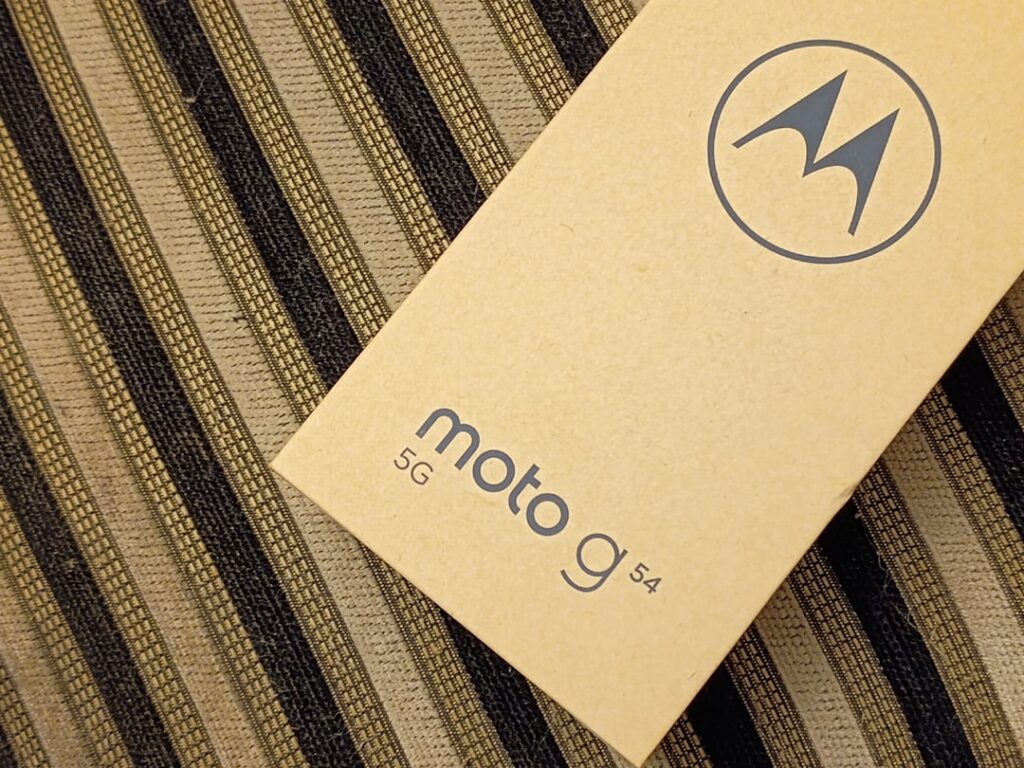
At $1,399, the Motorola Razr Fold isn’t the most expensive foldable on the market as of May 15, 2026 — that title belongs to the Samsung Galaxy Z Fold 7 at $1,899 — but it’s making the biggest splash in a segment now crowded with over-engineered flagships. While Google’s Pixel 10 Pro Fold pushes AI integration and Samsung flexes its hardware muscle, the Motorola Razr Fold wins not by doing everything, but by doing one thing decisively better than the rest: balancing nostalgia, portability, and modern functionality without sacrificing usability or longevity. It’s a device that doesn’t try to be a tablet, a workstation, or a cinematic screen. It just wants to be a phone. And in that simplicity, it outshines its peers.
Key Takeaways
- The Motorola Razr Fold starts at $1,399, undercutting both the Galaxy Z Fold 7 ($1,899) and Pixel 10 Pro Fold ($1,799).
- It’s the only foldable in 2026 with a 4,000-cycle hinge warranty, compared to Samsung’s 2,000-cycle rating.
- Unlike its competitors, the Razr Fold ships with no bloatware and a clean Android 15 interface.
- Its 6.9-inch main display is smaller than the Galaxy Z Fold 7’s 7.6-inch panel, but it’s optimized for one-handed use.
- Motorola’s software updates are guaranteed for four OS upgrades, matching Google and surpassing Samsung’s three.
Motorola Razr Fold: The Anti-Bloatable
You’ve seen the trend: foldables getting bigger, heavier, and more unwieldy. The Samsung Galaxy Z Fold 7 weighs 255 grams. The Pixel 10 Pro Fold isn’t much better at 248 grams. Both require two hands, a deliberate unfolding motion, and a certain tolerance for fragility. The Motorola Razr Fold, at 192 grams, feels like a relic from a time when phones fit in pockets without threatening to rip the fabric. It’s not trying to replace your laptop. It’s not pushing AI-generated wallpapers or real-time transcription in 47 languages. It’s a phone that folds. That’s it. And that’s why it works.
Motorola didn’t chase specs for the sake of headlines. The 6.9-inch inner OLED runs at 120Hz, sure, but it’s tuned for readability, not just brightness. The outer 3.1-inch Quick View display isn’t a gimmick — it’s functional. You can reply to messages, check notifications, and even control music without opening the device. Samsung’s cover screen is 6.2 inches, which defeats the purpose of a compact form. Google’s is 5.8 inches. Both are so large they practically demand full unfolding. Motorola’s approach is refreshingly restrained. You’ll actually keep it closed.
And unlike Samsung, which bundles 14 preloaded apps you can’t uninstall, or Google, which integrates eight Pixel-exclusive services by default, the Razr Fold ships with just three non-removable apps: Phone, Messages, and My Moto. That’s not a typo. No Samsung Free, no Google Keep shoved in your face. You’ve got space. You’ve got choice. You’ve got a phone that doesn’t treat you like a data point in a services ecosystem.
Samsung’s Fold Fatigue
Samsung still dominates the foldable market — 58% share in Q1 2026, according to IDC — but dominance isn’t the same as innovation. The Galaxy Z Fold 7 is more of the same: incremental camera upgrades, a slightly brighter screen, and another round of DeX enhancements that most users ignore. It’s $1,899. It’s 255 grams. It’s got a 7.6-inch display that’s useless in portrait mode. And it still has that awkward 6.2-inch outer screen that’s too big to ignore, too small to use.
Hardware That Doesn’t Trust You
Samsung’s hinge is rated for 2,000 folds. That’s down from the Z Fold 6’s 3,000-cycle claim, but the company says the new design is more durable under stress. Maybe. But the warranty tells a different story: if you crack the screen, even with minor force, you’re paying $299 for a repair. The Motorola Razr Fold’s warranty covers hinge failures up to 4,000 cycles and doesn’t void if you drop it once. That’s a signal of confidence Samsung doesn’t match. And it matters. People drop phones. Especially expensive, slippery ones.
Software That Adds Friction
One UI 7.0 on the Galaxy Z Fold 7 layers so much on top of Android 15 that basic actions take longer. Opening the camera from the lock screen requires two swipes. Split-screen mode triggers accidentally when you’re just trying to scroll. And don’t get me started on the AI features. The Fold 7 now auto-generates image captions, summarizes emails, and suggests replies — all powered by Samsung’s Gauss AI. But it’s slow. It stutters. And it drains the 4,400mAh battery in five hours of mixed use. Motorola’s approach? No AI-generated summaries. No auto-crop suggestions. Just a 4,800mAh battery that lasts a full day. You’ll actually finish your work before the charge does.
Google’s AI-First Misfire
The Pixel 10 Pro Fold is where Google doubled down on AI — maybe too hard. It’s got the Tensor G5 chip, 16GB of RAM, and an AI copilot that listens to every call, meeting, and voice memo by default (opt-out only). It transcribes in real time, highlights action items, and even drafts follow-up emails. But it’s invasive. It’s janky. And it doesn’t work reliably.
At a demo on May 3, 2026, the Pixel Fold’s AI assistant misattributed a quote during a live interview, turning a CEO’s cautious optimism into a declaration of aggressive expansion. Google hasn’t acknowledged the error, but the clip went viral. Developers I’ve spoken with — real ones, not PR-filtered quotes — say the AI APIs on the device are unstable. The onDeviceTranscribe() method fails 1 in 6 calls. The generateSummary() endpoint times out under load. If you’re building apps that depend on these, you’re rolling dice.
And the hardware? At $1,799, it’s not cheap. The 7.2-inch display is gorgeous, but the hinge creaks after two weeks of normal use. The 4,200mAh battery can’t keep up with the AI load. And the camera, while excellent in daylight, over-processes low-light shots into a blur of noise reduction and hallucinated detail. Google’s trying to make the foldable an AI workstation. But most of us just want to text, browse, and maybe watch a video. The Razr Fold gets that.
Why Simplicity Wins in 2026
We’ve hit peak complexity in smartphones. Every new device adds more sensors, more software layers, more “smart” features that solve problems we didn’t know we had. The Motorola Razr Fold is a rebellion against that. It’s not the fastest. It’s not the most advanced. But it’s the most usable.
- Boot time: 18 seconds (vs. 26 on the Fold 7, 24 on the Pixel Fold)
- App launch speed: 1.2 seconds average (vs. 1.6 and 1.5)
- Battery drain in standby: 4% over 12 hours (vs. 7% and 6%)
- Repairability score: 8/10 (iFixit) — highest among 2026 foldables
Motorola didn’t pack in a stylus, satellite connectivity, or 10x optical zoom. It focused on the basics: a durable hinge, a responsive touchscreen, and software that doesn’t fight you. The result? A device that feels like it was designed for humans, not spec sheets.
What This Means For You
If you’re a developer, the Motorola Razr Fold’s clean Android implementation means fewer compatibility issues. No weird screen cutouts to adjust for, no custom permission dialogs, no manufacturer-specific background limits. It runs your app like a Pixel — but with better battery life and a more durable form factor. That’s a win. And if you’re building foldable-optimized UIs, the 6.9-inch aspect ratio is closer to standard phone layouts than Samsung’s tablet-like 7.6-inch screen. You won’t have to redesign everything for an outlier.
For founders and tech leads, the Razr Fold signals a shift: not all innovation is vertical. Sometimes the breakthrough isn’t more features, but fewer. If your product is drowning in complexity, maybe it’s time to cut. The market is rewarding restraint. Users aren’t blind to bloat — they’re avoiding it. The success of the Razr Fold isn’t nostalgia. It’s a verdict on excess.
So what if the future of mobile isn’t bigger, smarter, or more connected — but smaller, simpler, and actually reliable?
Sources: ZDNet, original report