




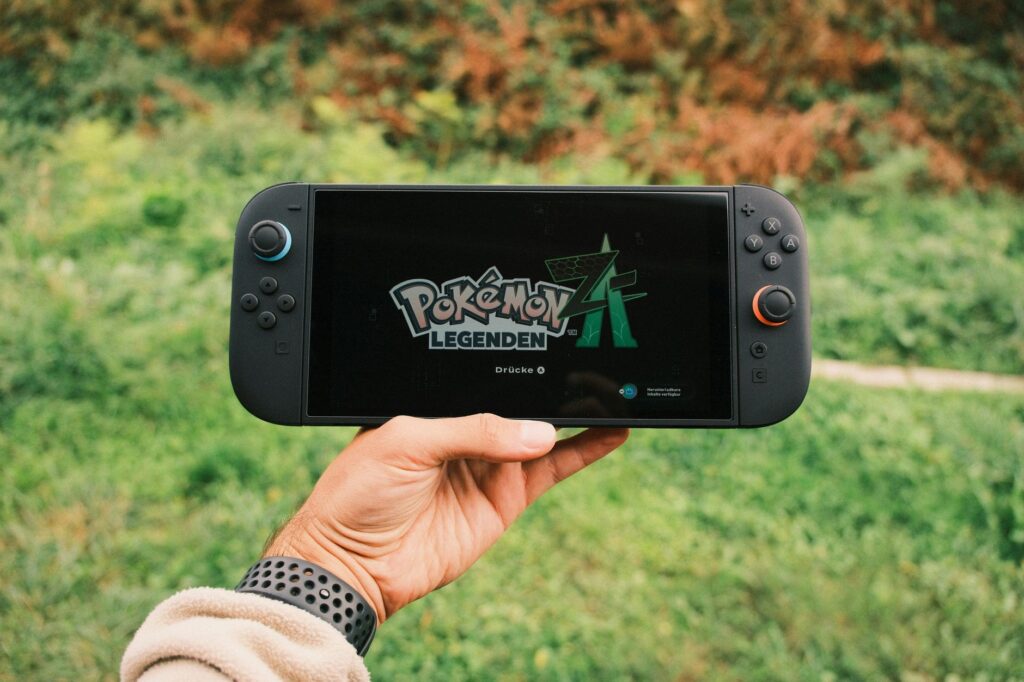
From mid‑February 2027, Nintendo will stop selling the original Switch family in Europe, ending retail and Nintendo Store orders for the Switch, Switch Lite and OLED models. That’s a full ten years after the console launched in March 2017, and it aligns with the EU’s new battery‑replacement rules.
Key Takeaways
- Sales of every original Switch variant cease in Europe by Feb 2027.
- New Switch 2 hardware will feature user‑replaceable batteries to meet EU law.
- Joy‑Con, Pro Controller and legacy console adapters will be updated on a rolling basis.
- Availability may vary across European countries due to rollout logistics.
- The original Switch remains on sale elsewhere, but its future outside Europe is still uncertain.
Nintendo Switch Europe Discontinuation Timeline
According to Nintendo’s updated FAQ, the company will halt shipments to retailers “from mid‑February 2027” and will also close the Nintendo Store sales channel at that point. That’s not a rumor – it’s a direct statement from the console maker, and it gives developers a clear deadline to plan hardware‑related releases.
Because the EU’s battery directive kicks in on February 18th, 2027, Nintendo’s timing makes sense. The firm isn’t waiting until the last minute; it’s pulling the plug a couple of weeks early to avoid compliance headaches. It’s also a reminder that regulatory calendars can dictate product lifecycles just as much as market demand does.
Regulatory backdrop
The European Union has been tightening rules around consumer‑electronic batteries for years, demanding that devices sold after the deadline must allow users to replace the power source without professional service. Nintendo’s own FAQ says there’s “no difference in functionality between current products and revised products containing user‑replaceable batteries,” which suggests the hardware tweaks are purely compliance‑driven.
That said, the shift isn’t trivial. Swapping a sealed lithium‑ion pack for a user‑replaceable module means re‑engineering the chassis, redesigning internal power management, and re‑testing for durability. For a console that’s already ten years old, those changes might feel like a lot of work, but they also open the door to longer device lifespans in the EU market.
Historical Context
When the Switch first arrived in March 2017, it introduced a hybrid concept that let players flip between handheld and docked play. The initial hardware featured a sealed battery that, while praised for its endurance, was never designed to be swapped by owners. A year later, Nintendo added the Switch Lite, a smaller, handheld‑only version that kept the same sealed‑battery approach. The OLED model arrived with a brighter screen but retained the original power‑pack design.
Over the decade, community chatter about battery wear grew louder. Users posted tutorials on how to open the device, and third‑party shops began offering replacement packs at premium prices. Those anecdotes formed a backdrop that made the upcoming EU rule feel less like a surprise and more like a long‑awaited answer to a recurring complaint.
From a product‑roadmap perspective, Nintendo’s decision to keep the original family on shelves for ten years is itself notable. Many consoles see a generational shift after five or six years. The Switch’s longevity gave the company ample time to iterate, test new battery configurations, and align its next major hardware launch with the regulatory deadline.
Why user‑replaceable batteries matter
Consumers have been complaining for years that the Switch’s battery isn’t easy to replace. The new regulation forces Nintendo to address that pain point, and it could actually be a win for gamers who’ve been forced to buy expensive replacements or send their consoles for service. It’s ironic that a legal requirement is pushing a company to solve a long‑standing usability gripe.
Because the upcoming Switch 2 will ship with a battery that users can swap out, developers won’t have to worry about a device dying mid‑play during a long‑haul session. That could influence how games handle save data, power‑saving modes, and even how long a typical play session can be before it feels forced to pause.
Impact on hardware design
- New chassis to accommodate removable battery modules.
- Re‑engineered power‑management firmware for safe hot‑swap capability.
- Updated Joy‑Con and Pro Controller designs with replaceable cells.
- Potentially lighter overall weight due to modular battery packs.
Those design shifts aren’t just cosmetic; they affect the thermal profile of the console, which in turn can change how developers optimize graphics performance. If the new battery runs cooler, the Switch 2 might sustain higher clock speeds for longer bursts, which could make a difference for indie titles that push the hardware to its limits.
What’s changing with the Switch 2
The Switch 2 is the centerpiece of Nintendo’s compliance plan. The company says the new version is expected to start rolling out in the fall, and it will be the first console in the family to ship with a user‑replaceable battery. That rollout will be “on a rolling basis,” meaning not every European country will get the updated hardware at the same time.
Because Nintendo notes that “revised products may not become available in all European countries simultaneously,” developers should be ready for a patchwork of hardware capabilities across the continent. If you’re shipping a game that relies on a specific battery capacity, you might need to add a fallback for regions that are still on the older hardware.
Rolling rollout and regional variance
The FAQ makes it clear that the rollout will be staggered, but it doesn’t give exact dates per country. That uncertainty could affect marketing plans, especially for titles that plan coordinated launches with hardware launches. It isn’t just a logistics headache; it’s a strategic one.
Developers who have already secured early‑access builds for the original Switch will need to consider whether to continue supporting the legacy hardware or focus exclusively on the Switch 2. The decision will hinge on how quickly the new units saturate the market and how the community reacts to the battery‑swap feature.
Implications for developers and publishers
For studios, the discontinuation means one less device to test against in Europe. That can simplify QA pipelines, but only if you’re comfortable dropping support for the older models. Many indie developers have been using the Switch’s portability as a selling point, and they’ll now have to account for a battery‑replaceable version that could change the device’s weight and balance.
Because Nintendo is still releasing first‑party games for the original hardware – titles like Rhythm Heaven Grove and Tomodachi Life: Living the Dream – the console isn’t dead overnight. However, it’s clear that the company is shifting its focus to the newer, compliant models. That shift will likely influence which titles get priority on the eShop and which ones become legacy releases.
Publishers should also watch the pricing strategy. If the Switch 2’s battery module costs extra, that could affect the total cost of ownership for consumers, and price‑sensitive gamers might delay upgrades. That, in turn, could affect sales forecasts for any game that depends on a sizable install base of the new hardware.
What This Means For You
If you’re a developer planning a Europe‑first launch, you’ll need to decide whether to target the original Switch or the upcoming Switch 2. The safest bet is to design for the new hardware’s battery‑replaceable architecture, because that’ll be the only device on shelves after Feb 2027. That means testing with removable battery packs and ensuring your game can handle power‑state changes gracefully.
If you’ve already shipped a title that relies on the original Switch’s battery life, you might want to release a patch that optimizes power consumption for the newer models. It’s also worth monitoring community forums for feedback on the new battery system; early adopters will likely share tips that could help you fine‑tune your game’s performance.
Three concrete scenarios illustrate the practical steps you might take. First, an indie studio that built its core gameplay around short, handheld sessions could add a “battery‑friendly mode” that reduces background effects when a removable pack is detected. Second, a mid‑size publisher with a cross‑platform release could bundle a spare battery with the European edition of its game, turning the regulatory requirement into a marketing hook. Third, an accessory maker developing a dock could design a version that supplies power directly to the replaceable module, avoiding any need for the console to draw from its internal pack.
Looking ahead, the question isn’t just whether Nintendo will keep the Switch line alive outside Europe, but how the company’s compliance move will influence other console makers. Will Sony or Microsoft adopt user‑replaceable batteries to pre‑empt similar regulations? Only.
Competitive Landscape
Across the broader console market, manufacturers have traditionally favored sealed‑battery designs for the sake of compactness and brand control. The EU’s upcoming rule puts pressure on that paradigm. While Nintendo is the first major player to announce a concrete hardware shift, the ripple effect could reshape how other companies approach power‑module engineering.
From a developer standpoint, a market where multiple consoles share a common battery‑swap capability could simplify cross‑platform testing. If future devices adopt similar removable packs, studios might be able to reuse power‑management code across titles, reducing the overhead of platform‑specific optimizations.
On the downside, a fragmented rollout—where some regions receive the new hardware earlier than others—creates a timing challenge. Studios that target a global launch will need to account for differing battery capacities, potentially adding conditional logic that detects the exact hardware generation at runtime.
Key Questions Remaining
- How quickly will the Switch 2 saturate the European market once the rollout begins?
- Will Nintendo provide a migration path for owners of the original Switch who want to upgrade without buying a brand‑new console?
- What impact will the battery‑swap feature have on the longevity of third‑party accessories that were designed for the sealed‑battery form factor?
- How will pricing of the removable battery module influence consumer adoption rates across different European economies?
- Will other console makers follow Nintendo’s lead, or will they seek alternative compliance strategies?
Answers to these questions will shape development roadmaps, marketing strategies, and even hardware accessory ecosystems for the next several years. Keeping an eye on official Nintendo communications and community feedback will be essential for anyone with a stake in the Switch’s future.
Sources: The Verge, Nintendo Official Site