


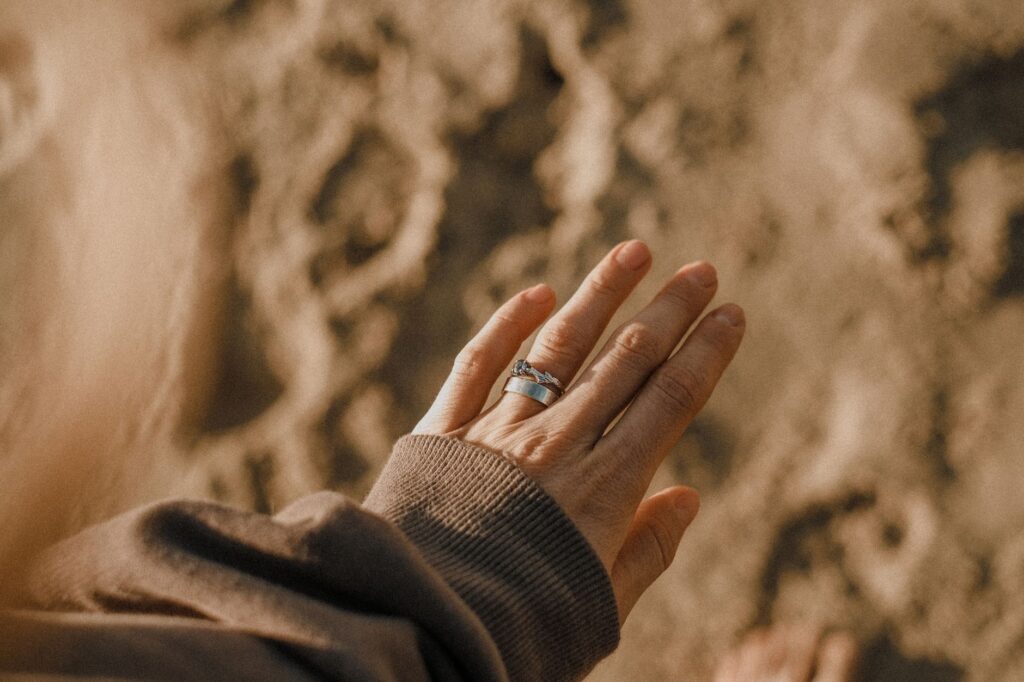
Oura Ring 5 is 40% smaller than its predecessor, Oura Ring 4, and that reduction shows up right away on the finger – it’s almost indistinguishable from a wedding band. The new model starts at $399, $50 more than the older ring, and promises a longer battery life and tougher coating. I walked through the specs after reading the original report to see whether the trade‑offs are worth the extra cash.
Historical Context
Oura entered the wearables market with a single‑purpose ring that focused on sleep and recovery. Over successive generations the company added heart‑rate variability, activity tracking, and temperature sensing. Each iteration kept the same software ecosystem, letting users carry their data forward without needing to relearn an interface. The shift from Ring 4 to Ring 5 marks the first time Oura has trimmed the physical bulk of the device, a move that mirrors the broader industry’s push toward more subtle form factors.
Earlier models were praised for their accuracy, but they also attracted criticism for feeling like a miniature piece of hardware on the hand. By shrinking the profile, Oura hopes to silence that criticism and make the ring a true piece of jewelry rather than a gadget. The trade‑off has been a modest price increase and a tighter size range, which reflects the engineering challenges of packing the same sensors into a slimmer shell.
Key Takeaways
- Oura Ring 5 shrinks the footprint by 40%, making it a more discreet daily wear.
- Battery life stretches to six to nine days, a modest gain over the four‑to‑eight day range of Ring 4.
- Scratch‑resistant vapor deposition and an upgraded IP68 rating boost durability.
- Size options narrow to six‑through‑13, while Ring 4 covers four‑through‑15.
- Both rings share the same software updates, but the Ring 5’s premium finishes push the price to $499.
Oura Ring 5: Is It Worth the $399 Upgrade?
When you compare the two generations side by side, the most obvious change is the slimmer profile. I’ve worn the older Ring 4 for months and it always felt like a chunk of tech on my hand; the new Ring 5, however, slides on like a thin band. That’s the kind of ergonomic win that matters if you’re tracking sleep, HRV, and activity every night and you don’t want a reminder that you’re wearing a device.
Design and Comfort: The Size Difference
The 40% size reduction isn’t just marketing fluff – it translates into a ring that sits lower on the finger and looks more like ordinary jewelry. If you’ve ever avoided a wear‑able because it looked too bulky, Oura Ring 5 might finally change your mind. It’s also lighter, so you’ll barely notice it after a few days of continuous wear.
Size Range Limitations
One downside is the narrowed size palette. Ring 5 only ships in sizes six through 13, whereas Ring 4 spans four through 15. If you sit on the extremes of the sizing spectrum, you’ll still need the older model. That limitation could be a deal‑breaker for a niche but vocal group of users.
Battery Life: One More Day
Oura claims the Ring 5 lasts six to nine days per charge, a day longer than the four‑to‑eight day window for Ring 4. The company says it achieved that by adding more powerful LEDs, a new battery, and a refined algorithm. In practice, you’ll still need to charge it weekly, but the extra day gives a tiny buffer if you forget to plug it in.
Real‑World Battery Feedback
Users of Ring 4 have reported occasional battery hiccups, and Oura’s VP of Product, Maz Brumand, confirmed the redesign was meant to address those concerns. It isn’t a major leap, but the incremental improvement feels like a thoughtful response to user feedback.
Durability and IP Rating
The Ring 5 adds a scratch‑resistant vapor deposition coating, which Oura markets as its most scratch‑resistant ring yet. Coupled with an upgraded IP68 rating, the device can survive immersion in water up to a meter for half an hour – essentially making it safe for swimming and showering.
What the New Coating Means
If you’re the type who drops gadgets on concrete, the extra protection could save you from a costly replacement. That said, Oura hasn’t published independent scratch‑test results, so we’ll have to wait for long‑term user reports to confirm the claim.
Competitive Landscape
While Oura focuses on a ring form factor, most health wearables sit on the wrist. Smartwatches from major tech brands often boast larger batteries and more extensive sensor suites, but they also draw more attention and can interfere with certain activities. The ring’s advantage lies in its unobtrusive presence, which is a niche that few competitors have fully embraced.
Price points for wrist‑based devices can be higher, yet they frequently include built‑in displays that Oura’s ring lacks. Users who prefer a visual readout might still gravitate toward a watch, but those who want continuous data without a screen will find the ring’s discreetness compelling. The trade‑off between screen real‑estate and minimalism continues to shape buying decisions across the wearables market.
Pricing, Sizes, and Subscription
The price jump from $349 to $399 for the base model might make some buyers pause, especially when premium finishes like Deep Rose, Stealth, and Gold cost $499 each. On top of that, Oura still requires a $70 annual subscription to unlock the bulk of the data, meaning the total cost of ownership climbs quickly.
Ring 4, meanwhile, remains at $349 for the base version and still receives the same software updates as the newer model. If you’re comfortable with the slightly larger form factor, you can save $50 on hardware and avoid the premium‑finish surcharge.
Who Should Choose Which Ring
If you value a low‑profile aesthetic, you’ve probably been waiting for a ring that blends in. Oura Ring 5 delivers that, and the marginal battery boost is a nice bonus. Developers who need a discreet device for continuous health monitoring – perhaps for sleep studies or long‑term HRV research – will appreciate the slimmer silhouette.
Conversely, if you need a size outside six‑through‑13 or you’re more price‑sensitive, Ring 4 still offers the same software experience for less money. The older ring’s larger size might even feel more substantial on a bigger finger, which some users prefer for a “real” feel.
Key Differences at a Glance
- Size: Ring 5 is 40% smaller; Ring 4 is bulkier.
- Battery: Ring 5 offers six to nine days; Ring 4 offers five to eight days.
- Durability: Ring 5 has vapor‑deposition coating and IP68; Ring 4 lacks the new coating.
- Price: Ring 5 starts at $399; Ring 4 starts at $349.
- Size range: Ring 5 – six to 13; Ring 4 – four to 15.
What This Means For You
For developers building health‑focused apps, the Ring 5’s slimmer design means you can recommend a device that won’t dominate a user’s finger during long‑term studies. The extra day of battery life reduces the risk of missed data due to charging lapses, which can be crucial when you need continuous streams for analytics.
If you’re a founder deciding whether to stock the newer model for your team, weigh the $50 hardware premium against the potential reduction in user complaints about comfort and durability. The subscription cost remains unchanged, so the ongoing expense won’t shift – it’s the upfront hardware that you’ll need to justify.
Three concrete scenarios illustrate the impact:
- Scenario A – Remote Clinical Trial: A researcher equips participants with Ring 5 devices to monitor sleep patterns over a month. The slimmer ring improves adherence, because participants report fewer “it feels heavy” comments. The additional battery day cuts the number of missed nights caused by forgotten charging.
- Scenario B – Startup Wellness Program: A small company rolls out health incentives and chooses Ring 5 for its sleek look. Employees appreciate the discreetness during video calls, and the company avoids frequent support tickets about cracked shells thanks to the new coating.
- Scenario C – Personal Data Collection: An individual tracks HRV trends while training for a marathon. The extra day of battery life means they can skip a charging session during a race weekend, preserving continuity in the dataset.
In the end, the choice comes down to whether you prioritize a discreet look and a modest battery gain over a broader size selection and lower entry price. Both rings run the same software, so you won’t miss out on features regardless of the generation you pick.
Key Questions Remaining
Will Oura continue shrinking its hardware while keeping battery life stable, or will future generations trade size for even longer endurance? How will the narrowed size range affect adoption among users with atypical finger dimensions? And will the premium finishes eventually become standard, nudging the baseline price higher across the board? Those unanswered points will shape buying decisions as the market for unobtrusive health wearables matures.
Sources: ZDNet, TechRadar