



Zuckerberg’s $500M Bet on AI Biology Models
Mark Zuckerberg backs $500M effort to build AI models of human cells—aiming for digital twins to cure disease. Can it work? And will you trust Meta with your genetic data?.
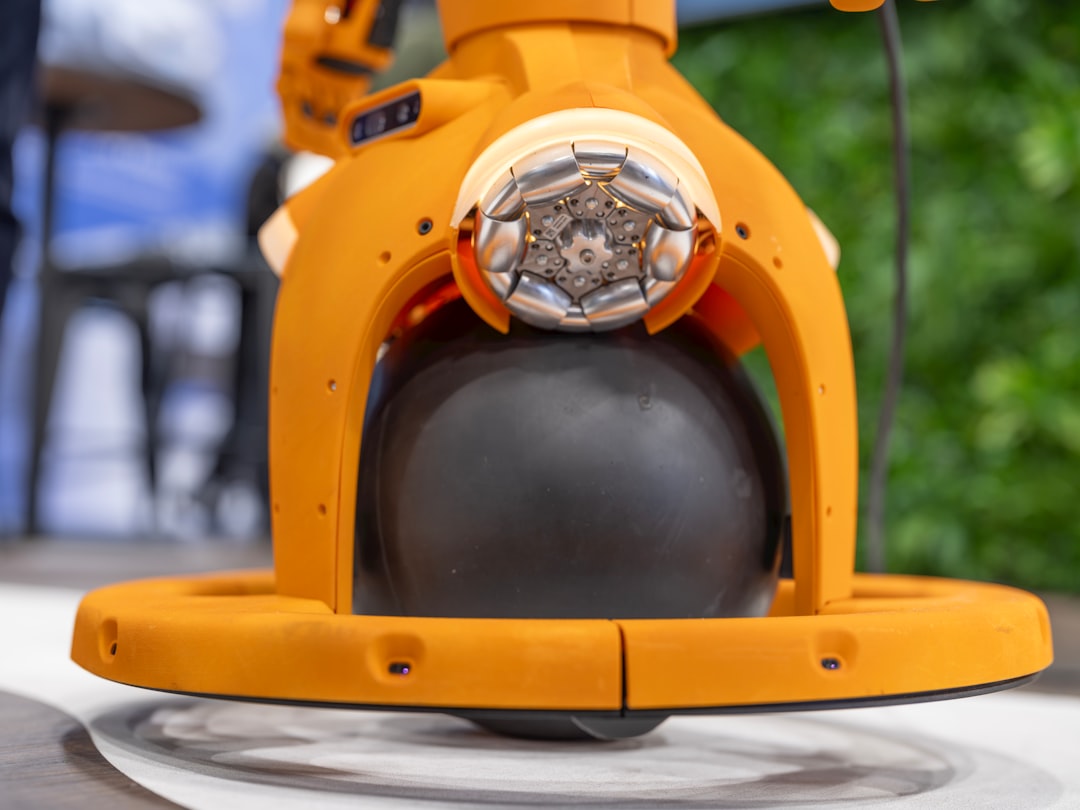
DAIMON Robotics released a new dataset in April 2026 to train robot hands with tactile feedback. The move targets physical AI’s biggest gap: touch. Details here.
Generative AI can turn software flaws into working cyberattacks in minutes—for less than a dollar. The economics of hacking have changed. And defenses haven’t caught up.
A critical LiteLLM vulnerability is being actively exploited just days after public disclosure, exposing AI proxy databases to unauthorized access and modification. Attackers move fast; defenders don’t have time to wait. The race is already lost for some.
Amazon debuts new OpenAI model offerings on AWS, including an agent service, one day after Microsoft ends exclusive rights. Developers gain new tools. Details inside.
Anthropic’s Mythos AI can exploit vulnerabilities autonomously. Experts debate if it’s a cybersecurity breakthrough or an existential threat. Details from April 27, 2026.
Sony AI’s table tennis robot is learning at an exponential rate and could challenge world champions by 2027. The implications for robotics and real-time AI are profound.
Google commits up to $40 billion to Anthropic, matching Amazon’s AI investment in a historic race for dominance. The stakes have never been higher.