



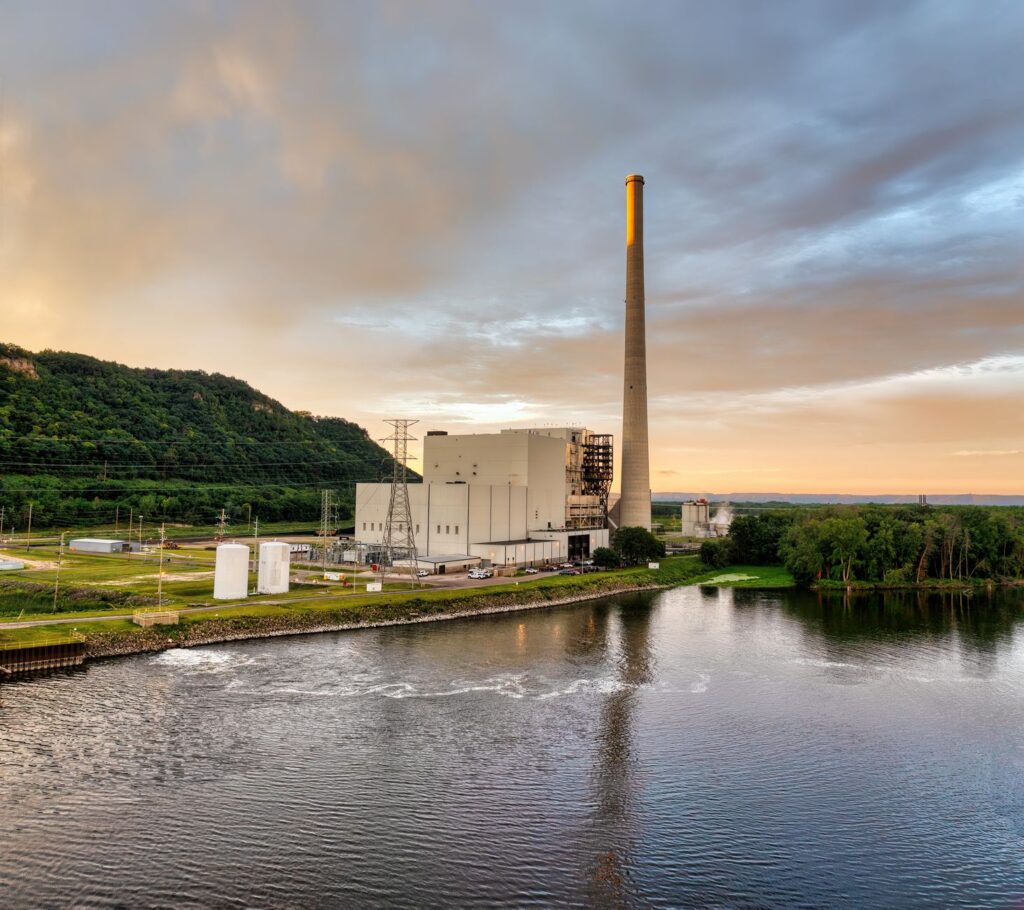
In February 2024, the Tennessee Valley Authority received a $46 million federal pledge to keep the Cumberland Fossil Plant running past its planned 2026 shutdown. That’s the exact figure the Trump administration earmarked to extend a coal plant already flagged for multiple Clean Air Act violations.
Key Takeaways
- TVA accepted a $46 million grant from the Trump administration to delay the closure of Cumberland.
- The plant has been cited for air‑pollution violations in 2017 and 2023, and for water‑law breaches at other sites.
- Three of the 12 DOE grant recipients—including Cumberland—have repeated Clean Air or Clean Water violations, according to Inside Climate News.
- Local activist Angie Mummaw called the grant a “step backwards,” while Southern Alliance for Clean Energy warns the extension will accelerate climate harm.
- One study links a single pollutant from Cumberland to about 1,000 premature deaths across the Northeast from 1999‑2020.
Trump Coal Grants Keep Violating Plants Open
When the federal pledge landed on TVA’s desk, it wasn’t just a line‑item in a budget—it was a political statement that older coal plants were still worth protecting. The grant arrived after the Trump administration swapped out four members of TVA’s board, effectively overturning a retirement plan the agency had set for Cumberland’s units in February.
It’s ironic that a plant once at the center of a multibillion‑dollar 2011 settlement—after the utility failed to install pollution controls a decade earlier—now gets a fresh infusion of cash. The settlement forced TVA to pay for upgrades that never materialized, and regulators have cited the plant again in 2017 and 2023 for exceeding permitted emission levels.
How the Funding Was Structured
The Department of Energy allocated the money as part of a broader push to keep older coal facilities online. According to the original report, at least three of the twelve grant recipients have been repeatedly cited for Clean Air Act or Clean Water Act violations. Cumberland joins Grand River Energy Center in Oklahoma and Roxboro Steam Electric Plant in North Carolina on that list.
Because the grant is earmarked specifically for equipment upgrades and compliance measures, TVA argues it can bring the plant up to current standards without shutting it down. But critics say the money is a band‑aid that lets the plant keep polluting while the administration sidesteps its own climate commitments.
Environmental and Health Toll of Keeping Cumberland Running
Air‑pollution from coal plants isn’t just a local problem. One study cited in the Ars Technica piece estimates that fine‑particle emissions from Cumberland contributed to roughly 1,000 premature deaths as far away as New York and Massachusetts between 1999 and 2020. That’s a stark reminder that emissions travel far beyond the smokestack.
Local residents feel the impact every day. Angie Mummaw, who lives eight miles from the plant, told reporters the grant felt like “a slap in the face.”
“I feel like it’s a step backwards when we should be investing in clean energy, in new technology, and moving away from the fossil fuel industry,” Mummaw said.
She’s not alone. The Southern Alliance for Clean Energy’s research director, Maggie Shober, warned that extending coal‑plant lifespans will “make climate change happen faster and will make it worse over the long‑term.”
“Retiring coal plants is one of our primary ways to combat pollution, climate change, and associated health harms,” Shober said.
What the Numbers Reveal
- 2011 settlement: multibillion‑dollar payout for missing pollution controls.
- Violations: air‑law citations in 2017 and 2023; water‑law citations at other DOE‑funded plants.
- Grant: $46 million federal pledge to extend operations.
- Health impact: about 1,000 deaths linked to a single pollutant from Cumberland.
Political Maneuvering Behind the Grant
The grant didn’t materialize in a vacuum. In early 2024, the Trump administration replaced four TVA board members, effectively reshaping the agency’s strategic direction. Those new appointees aligned with the administration’s broader agenda to keep coal plants online, despite the Biden administration’s earlier push for a rapid clean‑energy transition.
Because the board’s composition changed, TVA reneged on its own retirement timeline for Cumberland. The agency had announced shutter dates for the plant’s two units—2026 for Unit 1 and 2028 for Unit 2—only to reverse course after the board overhaul.
Legal and Regulatory Landscape
Regulators have been watching the plant closely. The EPA cited Cumberland for exceeding sulfur‑dioxide emission limits in both 2017 and 2023. Those citations alone could trigger fines or stricter enforcement actions, but the grant effectively buys the plant more time before any penalties become enforceable.
Because the Department of Energy’s grant program is managed by the same administration that oversees EPA enforcement, there’s an inherent conflict of interest. Critics argue that the administration is using federal funds to subsidize plants that the EPA is simultaneously trying to regulate.
Broader Implications for the Energy Sector
Extending the life of coal plants has ripple effects across the national energy market. It delays investments in renewable infrastructure, keeps demand for low‑grade coal high, and can distort electricity pricing in regions that rely on TVA’s power grid.
Developers of wind and solar projects might find it harder to secure financing when a government signals that old‑fuel plants will continue to receive subsidies. That’s a real concern for the clean‑energy pipeline, especially as private capital increasingly looks for projects with clear policy support.
What This Means For You
If you’re building software that integrates with utility data, expect more complexity. Grid operators may keep legacy coal‑plant data streams active longer than anticipated, meaning your analytics platforms will need to handle older emission reporting formats alongside newer renewable‑energy metrics.
For investors, the grant signals that federal policy can still swing in favor of fossil‑fuel projects, even as market trends point toward decarbonization. That uncertainty could affect risk assessments for any venture tied to carbon‑intensive assets.
What this means for policymakers is a clear reminder: financial incentives can quickly override environmental enforcement, and the net effect is a slower transition to cleaner energy. The question now is whether future administrations will reverse these grants or double down on them.
Historical Context
The Cumberland Fossil Plant has been a fixture of the TVA system for decades. Its operational history includes a major settlement in 2011 that forced the utility to acknowledge past failures to install required pollution controls. That settlement, while financially hefty, never resulted in the promised upgrades, leaving the plant vulnerable to later citations.
Two years after the settlement, the plant faced its first Clean Air Act citation in 2017. The citation centered on sulfur‑dioxide emissions that exceeded the limits set by the EPA. A second citation arrived in 2023, reinforcing a pattern of non‑compliance that regulators have tracked across multiple reporting cycles.
Board composition has proven to be a lever for policy change. When the Trump administration reshuffled four board members in early 2024, it altered the strategic calculus that had previously led TVA to schedule a phased shutdown. The new board members, aligned with the administration’s stance on coal, effectively rewrote the plant’s retirement plan.
These moves illustrate how governance, legal settlements, and regulatory oversight intersected over the past decade, creating the environment in which a $46 million grant could appear to be a logical next step for the plant’s operators.
Competitive Landscape
The grant program that funded Cumberland is not an isolated case. At least two other plants—Grand River Energy Center in Oklahoma and Roxboro Steam Electric Plant in North Carolina—receive similar federal support while also carrying histories of Clean Air or Clean Water violations. All three sit within a roster of twelve grant recipients that the DOE released as part of its effort to keep aging coal assets online.
Each recipient faces comparable regulatory scrutiny. The EPA has issued citations for the same pollutants that prompted the original settlement at Cumberland. The shared pattern suggests a broader strategy: provide short‑term capital to address compliance gaps while allowing plants to continue operating beyond their originally planned retirement dates.
For the renewable sector, the competitive landscape is shaped by the same budgetary constraints. When federal dollars flow toward coal upgrades, the pool of capital available for wind, solar, or battery projects shrinks. This dynamic can slow the deployment of clean‑energy projects in regions that rely heavily on federal funding to de‑risk new technology investments.
What Happens Next?
Looking ahead, the grant sets up a series of decision points for TVA. First, the agency must allocate the $46 million toward equipment upgrades that meet current emission standards. Second, it must demonstrate to regulators that the upgrades are effective, or risk renewed enforcement actions. Third, the plant’s operating schedule will need to be reconciled with the broader regional grid plans that increasingly prioritize renewable resources.
Stakeholders outside TVA will be watching the outcomes closely. Environmental groups will likely intensify monitoring, while industry observers will track whether the grant leads to measurable compliance improvements. The next reporting cycle from the EPA could provide a benchmark for whether the additional funding translates into reduced emissions.
Future administrations will inherit the policy choices made today. If subsequent leadership decides to reallocate similar funds away from coal, the Cumberland plant could face a different financial reality, potentially accelerating its retirement. Conversely, a continuation of the current approach could embed coal deeper into the energy mix, complicating long‑term decarbonization goals.
Key Questions Remaining
- Will the $46 million be sufficient to bring Cumberland into full compliance, or will additional investments be required?
- How will the EPA respond if the plant continues to exceed emission limits after the upgrades?
- What impact will the grant have on the financing environment for new renewable projects in the TVA service area?
- Will future board appointments shift TVA’s strategic direction back toward earlier retirement plans?
- How will the presence of similarly funded, violation‑prone plants influence federal policy on coal subsidies?
Sources: Ars Technica, Inside Climate News